






By Beatrice Voss, CAP, RYT-200
In an era defined by evidence-based medicine, the prevailing standard often relies on clinical averages. From standardized dosage requirements to one-size-fits-all dietary guidelines, modern healthcare frequently overlooks the nuance of the individual. However, Ayurveda—the ancient medical system of India—proposes a radically different paradigm: health is not a universal standard, but a deeply personal, constitutional calibration. By understanding the unique interplay of the five elements within our anatomy, we can move from managing symptoms to cultivating lifelong systemic balance.
The Philosophical Foundation: Individualized Healing
Ayurveda, which translates to "the science of life," posits that every human being is a unique manifestation of the universe’s five great elements: Space, Air, Fire, Water, and Earth. While modern medicine often treats disease as an external invader to be eradicated, Ayurveda views illness as an imbalance within the body’s internal ecology.
This recognition of constitutional differences is not unique to the East; it echoes the ancient Western concept of the "humors" and the Traditional Chinese Medicine (TCM) framework of the five elements. These systems all share a core realization: the same remedy that restores vitality to one person may prove ineffective—or even detrimental—to another. In the Ayurvedic tradition, the "what" of a treatment is secondary to the "who" receiving it.
The Mechanics of Constitution: Prakruti vs. Vikruti
At the center of Ayurvedic practice are two critical concepts: Prakruti and Vikruti.
Prakruti represents your fundamental nature—the unique, immutable proportion of the three doshas (biological energies) established at the moment of conception. This is your biological blueprint, constant throughout your lifespan.
Conversely, Vikruti refers to your current state of health—or lack thereof. It represents the fluctuations of the doshas caused by environmental factors, lifestyle choices, and seasonal shifts. Disease, in this view, is simply the movement of the doshas away from your original, healthy baseline. When a practitioner treats a patient, their goal is to identify the underlying Prakruti and design a protocol that corrects the Vikruti, effectively guiding the body back to its original, harmonious ratio.
The Elemental Hierarchy: "Sarvani Dravyani Panchabautikani"
The Vedic sutra "Sarvani dravyani panchabautikani" asserts that all material substances are composed of five fundamental elements. To understand our health, we must understand these building blocks:
- Akasha (Space): The expansive, clear, and subtle void. In the human body, it manifests as our pores, cavities, and the channels through which life energy flows.
- Vayu (Air): The principle of movement. Air governs everything from respiratory cycles to the firing of electrical impulses along the nervous system.
- Agni (Fire): The engine of transformation. Fire is responsible for digestion, metabolic heat, cellular intelligence, and the processing of sensory information.
- Apas (Water): The universal solvent. Water is the foundational fluid in our blood, lymph, and intercellular spaces, facilitating every chemical reaction in the body.
- Prthvi (Earth): The structure. Earth provides the solid mass for our skeleton, muscles, teeth, and tissues.
These elements coalesce into the three doshas: Vata (Space + Air), Pitta (Fire + Water), and Kapha (Water + Earth). Each of us possesses all three, but the specific ratio determines our unique body type and health tendencies.
Identifying the Doshas: The Science of Akruti
The physical examination in Ayurveda, known as Akruti, involves observing the body’s form, musculature, and sensory qualities. While a pulse diagnosis by an expert is the gold standard, individuals can gain significant insight by observing their lifelong physical tendencies.
The Vata Body Type: The Architect of Motion
Vata individuals are the embodiment of movement. Because their composition is dominated by the light, dry, and cold qualities of Air and Space, their physical forms tend to be irregular. Vata types are often either quite tall or quite short, rarely "average." Their bones may be prominent, their joints prone to cracking, and their skin and hair typically dry or brittle.
Vata individuals are characterized by high mental and physical mobility. They think fast, move fast, and often struggle to remain still. When in balance, they are creative and enthusiastic; when out of balance, they are prone to anxiety, insomnia, and digestive irregularity.
The Pitta Body Type: The Engine of Transformation
Pitta is the dosha of heat and intensity. Composed of Fire and Water, Pitta individuals are the "transformers" of the human ecosystem. Physically, they exhibit a moderate, well-proportioned build with good muscle tone. Their skin is often warm to the touch, sensitive to the sun, and prone to freckles or a reddish complexion.
Pitta types possess sharp intellects and strong digestive fires. They are goal-oriented and passionate, but they are also prone to "burning out"—literally and figuratively. Excess Pitta often manifests as inflammation, skin rashes, acid reflux, or aggressive irritability.
The Kapha Body Type: The Reservoir of Stability
Kapha is the principle of structure and lubrication. Composed of Water and Earth, Kapha individuals possess a natural physical strength and a sturdy, dense frame. They often have large, glossy eyes, thick hair, and a calm, slow-moving demeanor.
Kapha types are the most resilient of the three. They possess great endurance and deep emotional reserves. However, their tendency toward stability can become a liability if they succumb to lethargy. When imbalanced, Kapha types are prone to weight gain, respiratory congestion, and a heavy, sluggish mindset.
Implications for Modern Lifestyle: Exercise and Movement
One of the most practical applications of Ayurveda is the use of the "opposites balance" principle in physical training. If we know our Prakruti, we can choose movement that keeps us in our optimal state.
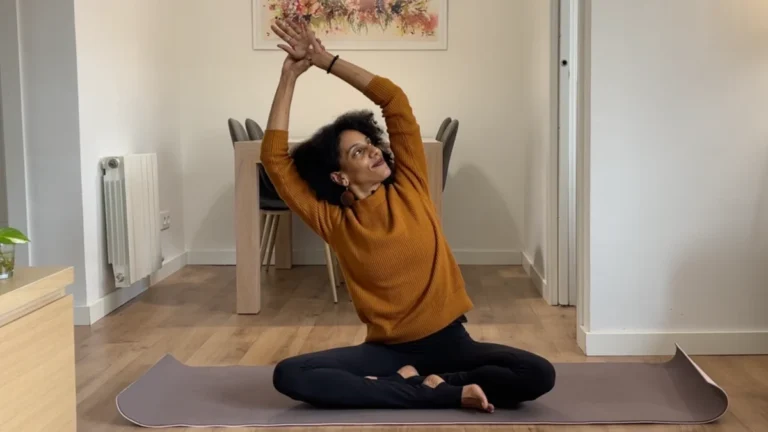
- For Vata: Since Vata is light, cold, and mobile, exercise should be grounding and warm. Gentle, slow-paced yoga, swimming, and walking are ideal. Vata types must avoid the trap of "over-exercising," which can lead to depletion. The ancient texts suggest moving only until the heart rate is gently elevated—never to exhaustion.
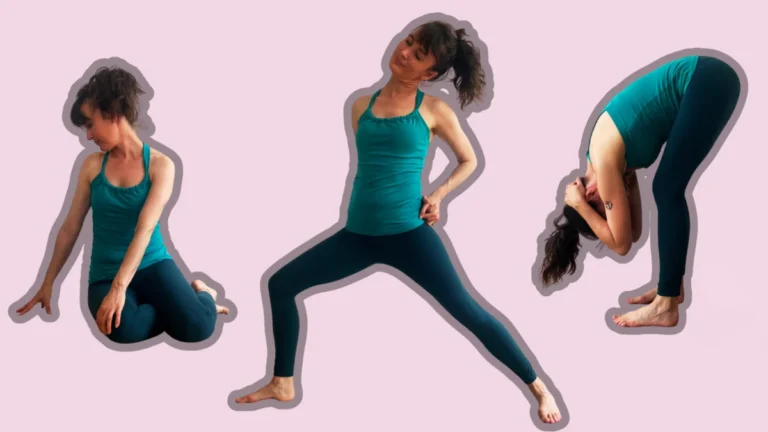
- For Pitta: Pitta needs a release for its fiery energy but must avoid overheating. Moderate, rhythmic exercises like dance, swimming, or well-ventilated yoga are beneficial. The goal for a Pitta type is to burn off intensity without inciting inflammation.
- For Kapha: Kapha is heavy and static, requiring vigorous, stimulating movement to prevent stagnation. High-intensity cardio, fast-paced Vinyasa yoga, and breathwork like Bhastrika (Bellows breath) are excellent for clearing the "heaviness" that accumulates in the Kapha system.
The Path Forward: Integrating Ancient Wisdom
The beauty of Ayurveda lies in its empowerment of the individual. By recognizing that our physical shape, our digestive capacity, and our emotional tendencies are not random, we can begin to treat our bodies with the specific care they require.
While temporary imbalances (Vikruti) may complicate our self-assessment, the core Prakruti remains our constant. Identifying this requires patience and, ideally, the guidance of a trained practitioner who can read the pulse and interpret the subtle signs of the body.
In a world that demands we conform to external standards, Ayurveda offers a liberating alternative: the permission to exist according to our own internal nature. Whether you are a restless Vata, an intense Pitta, or a sturdy Kapha, your health is not a destination to be reached, but a state of balance to be cultivated daily through the elements that make you, you.
As you navigate your path toward wellness, remember that the most effective medicine is the one that respects your unique blueprint. Start by observing your patterns, honoring your needs, and aligning your lifestyle with the fundamental, elemental truths of your own existence.