



In an era defined by increasing environmental stressors, radiation exposure, and the constant threat of oxidative damage to our genetic blueprint, the search for "genetic survival" has moved from the realm of speculative science fiction to the forefront of nutritional research. On September 6, Mike Adams, in the ninth chapter of his comprehensive course "UNBREAKABLE," presented a compelling case for the role of ancient microalgae—specifically chlorella and spirulina—not merely as health supplements, but as sophisticated, complementary tools for the maintenance and repair of the human genome.
The "UNBREAKABLE" series, hosted on BrightU, serves as an exploration of the intersection between cellular biology and proactive nutrition. By analyzing the mechanisms of DNA repair, Adams argues that the path to resilience lies in understanding how we can support the body’s innate ability to defend its molecular integrity.
The Microscopic Alliance: A Division of Labor
The central premise of Chapter 9 is a strategic division of labor between two distinct, ancient life forms. Adams posits that to maintain the integrity of our DNA, the body requires two fundamental conditions: a consistent supply of raw materials for reconstruction and a defensive shield against the agents of degradation.
Chlorella: The Raw Material Reservoir
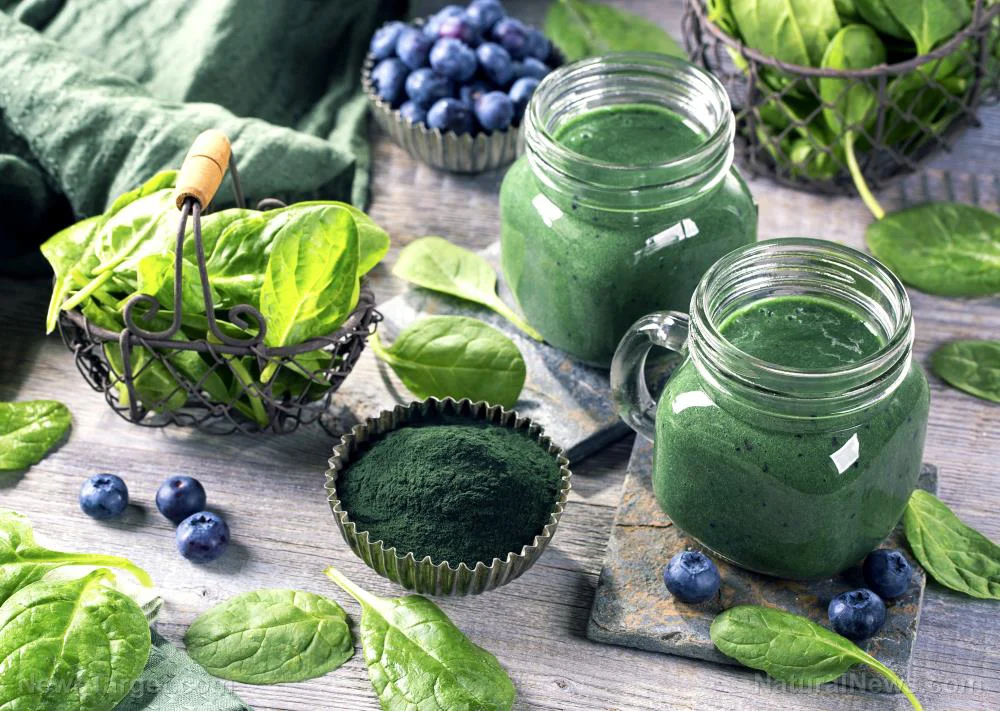
Chlorella, a single-celled green alga, has been utilized for decades in the wellness industry, but Adams reframes its value through the lens of genetic maintenance. He highlights its extraordinarily dense concentration of nucleic acids. Because the human body is in a constant state of turnover—copying, maintaining, and repairing DNA strands—the demand for high-quality nucleotides is constant.
Adams suggests that chlorella acts as a molecular "hardware store." By providing the building blocks of RNA and DNA, chlorella ensures that when cellular machinery identifies a break or an error in the genetic code, the raw components necessary for repair are readily available. This concept of "nutritional availability" is pivotal to the "UNBREAKABLE" framework, which posits that chronic deficiencies in these building blocks may hinder the body’s natural capacity to correct errors, leading to the accumulation of cellular damage over time.
Spirulina: The Guardian of Enzymatic Integrity
In contrast, spirulina—a blue-green alga known for its vibrant color—is presented as the defensive strategist. At the heart of Adams’ discussion is phycocyanin, a unique pigment-protein complex found in spirulina.
Rather than viewing antioxidants simply as "scavengers" that neutralize free radicals, Adams discusses the role of phycocyanin in potentially activating the body’s endogenous antioxidant defenses. By protecting the cell from the onset of oxidative stress, spirulina acts as a stabilizer. If chlorella provides the materials to fix the "lesions" in the DNA, spirulina works to prevent those lesions from forming in the first place by bolstering the enzymatic capacity of the cell.
Chronology of Cellular Maintenance
The concept of cellular resilience follows a specific biological sequence, which Adams maps out throughout the course. Understanding this timeline is essential to grasping his thesis on how nutrition interacts with genetic repair:
- Exposure and Stress: The cell is subjected to environmental stressors, including ionizing radiation, toxins, or internal metabolic byproducts, which threaten the structural integrity of DNA.
- Oxidative Defense: Phycocyanin and other compounds in spirulina support the cell’s internal environment, aiming to mitigate the damage caused by reactive oxygen species before they cause double-strand breaks.
- Damage Detection: The body’s sophisticated surveillance systems—involving proteins such as BRCA1, 53BP1, and CHK1—identify the breach.
- Resource Mobilization: The body pulls from its reservoir of nucleic acids—potentially supplemented by the intake of chlorella—to provide the necessary building blocks for enzymes like DNA polymerase to bridge the gap in the genetic sequence.
- Reconstruction: Through pathways such as Non-Homologous End Joining (NHEJ) or Homologous Recombination, the cell repairs the break, restoring the integrity of the genome.
Supporting Data and the Science of Resilience
The "UNBREAKABLE" course does not exist in a vacuum; it draws upon a growing body of research regarding the nutritional requirements for genetic maintenance. The science of DNA repair is complex, involving dozens of enzymes and proteins that monitor the genome 24/7.
Adams’ framework highlights that these enzymatic processes are energy-intensive and nutrient-dependent. For instance, the repair of double-strand breaks is arguably the most critical and challenging task for a cell. When these breaks occur, the cell must act with precision. If the internal nutritional environment is suboptimal, the efficiency of these pathways drops, increasing the likelihood of mutation or cellular senescence.
While mainstream medicine focuses heavily on the treatment of disease after it has manifested, the "UNBREAKABLE" approach emphasizes the pre-emptive support of these microscopic repair pathways. By focusing on the nutritional precursors required by the body’s natural repair enzymes, Adams attempts to bridge the gap between abstract biochemical processes and daily nutritional habits.
Implications for Public Health and Genetic Preparedness
The implications of this perspective are significant. If we accept the premise that genetic integrity is not merely a static state but a dynamic process that can be supported through diet, then the role of "superfoods" changes entirely. They are no longer optional additions to a diet, but essential components of a strategy for survival in a modern, toxin-heavy environment.
Adams’ approach also touches on the broader anxiety regarding environmental hazards, such as potential nuclear fallout or the long-term impact of spike proteins. By focusing on the body’s internal resilience, the course provides a narrative of empowerment. Instead of focusing solely on the external threat, the viewer is directed toward the internal capacity of their own cells to handle stress.
A Shift in Perspective
The brilliance of this narrative shift is the return to the "ancient." In an age of high-tech medical interventions, Adams points toward microscopic organisms that have existed on Earth for billions of years. These algae have survived mass extinctions and drastic climate changes; they have evolved their own robust systems of genetic protection. By consuming them, Adams suggests, we may be tapping into the survival wisdom embedded in their very structure.
Official Context and Course Overview
The "UNBREAKABLE" course is structured as a 13-chapter educational journey. It is designed for those looking to understand the mechanics of their own biology from the ground up. The course covers a wide range of topics, including:
- DNA Repair Mechanisms: A deep dive into the proteins and pathways responsible for fixing damaged strands, including the roles of BRCA1 and CHK1.
- Environmental Stressors: Analysis of how radiation and chemical pollutants impact human cells.
- Nutritional Strategies: Practical applications of dietary choices that support cellular resilience and energy production.
- Genetic Preparedness: A framework for understanding how to maintain long-term health in the face of modern challenges.
As the series progresses, it emphasizes that resilience is a multifaceted endeavor. It requires not only the right "building blocks" but also the maintenance of cellular energy levels and the reduction of the overall toxic burden on the body.
Conclusion: The Path Forward
The dialogue presented in Chapter 9 of "UNBREAKABLE" represents a shift toward a more proactive, biology-first approach to wellness. By framing chlorella and spirulina as a complementary pair—one for reconstruction, one for protection—Mike Adams provides a clear, actionable mental model for those interested in genetic health.
As the scientific community continues to uncover the complexities of DNA repair and the impact of diet on gene expression, the "UNBREAKABLE" framework invites us to reconsider our relationship with the microscopic world. We are not just what we eat; we are the result of the biological processes our cells execute every second. Supporting those processes with the right materials, drawn from the ancient wisdom of the natural world, may be the most fundamental step toward ensuring our own genetic survival.
For those interested in exploring these concepts further, the "UNBREAKABLE" course offers a deep dive into the nutritional and biological strategies required to navigate the challenges of the 21st century. By understanding the tools our cells use to maintain their integrity, we move one step closer to becoming, as the course title suggests, truly unbreakable.
For more information on the "UNBREAKABLE" course and to gain access to the full series of lectures, resources, and educational materials, visit the official Brighteon University website. The course serves as a foundational resource for anyone looking to bridge the gap between contemporary science and practical, nature-based nutritional strategies for long-term health.