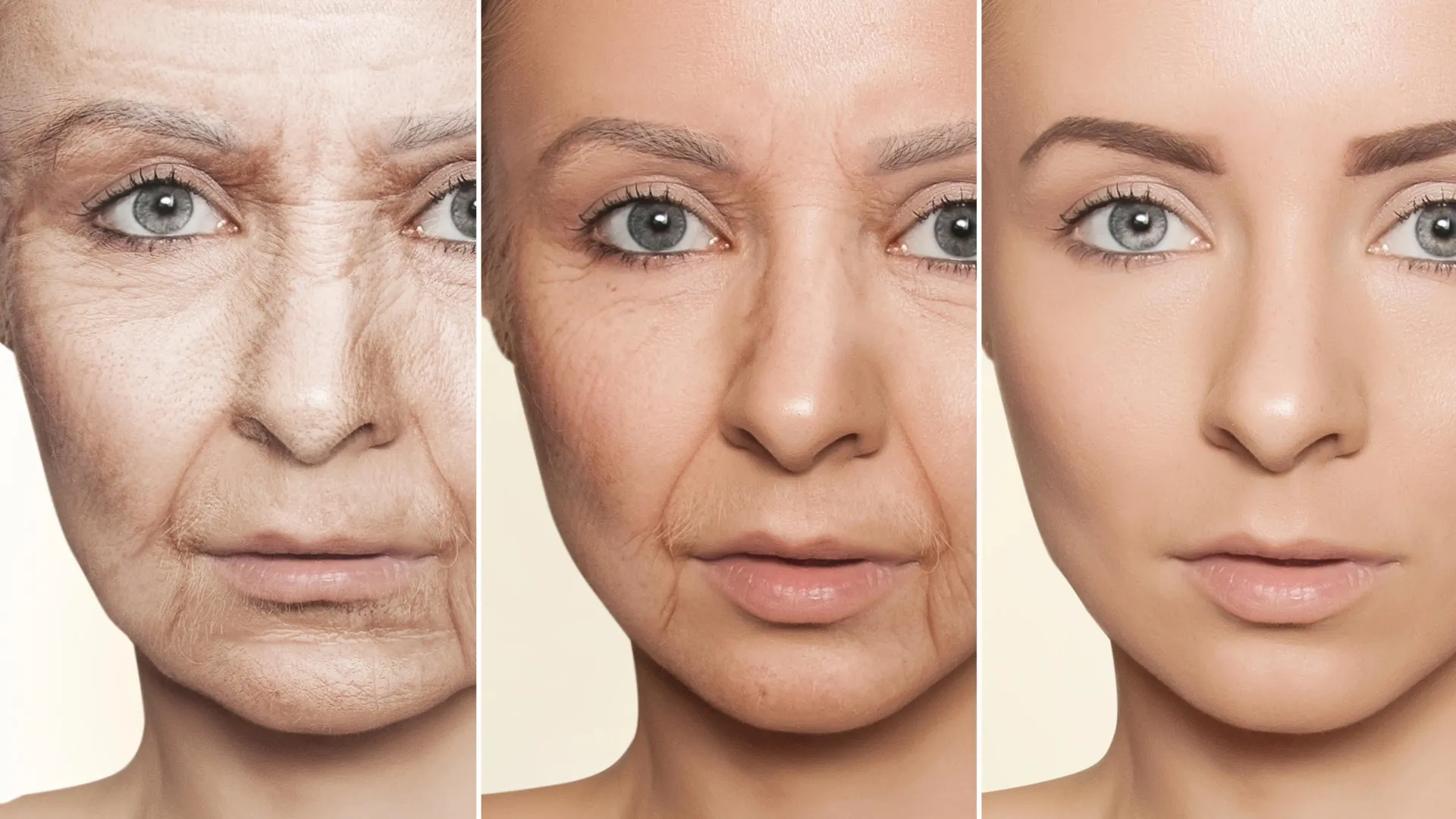
For centuries, aging has been viewed as the inevitable "wear and tear" of the human machine—a gradual, systemic decline of cells and tissues akin to a car engine rusting over time. However, a groundbreaking study published in PLOS Biology suggests that the aging process may be far more orchestrated than previously imagined. Scientists have identified a biological "master switch" located within the brain that appears to dictate the pace at which the body ages. By targeting a specific protein, researchers have successfully reversed signs of biological decline in mice, offering a tantalizing, if early, glimpse into a future where the aging process could be managed, slowed, or even partially reversed.
The Hypothalamus: The Body’s Command Center
At the heart of this discovery is the hypothalamus, a small, almond-sized structure nestled deep within the base of the brain. Despite its modest size, the hypothalamus acts as the body’s ultimate command center. It is responsible for orchestrating critical homeostatic functions, including metabolism, hormonal regulation, body temperature, hunger, and stress responses.
For years, gerontologists have suspected that the hypothalamus is not merely a bystander in the aging process but a primary driver. As we age, the signals emanating from this region grow erratic, leading to the metabolic and hormonal imbalances that characterize our twilight years. The latest research, led by Lige Leng and a team of scientists at Xiamen University in China, provides some of the most compelling evidence to date that the hypothalamus acts as the central regulator for systemic aging.
The Menin Connection: A Protective Shield
The focus of the Xiamen University study was a protein known as Menin. Traditionally studied for its role as a tumor suppressor, Menin has now been identified as a critical guardian of neural health.
The Chronology of Discovery
The research team’s journey began with a simple observation: Menin levels are not static throughout the lifespan. By analyzing the brains of mice across different age brackets, the researchers discovered a stark correlation between chronological age and protein density.
- Baseline Observations: In young, healthy mice, Menin levels in the ventromedial hypothalamus (VMH)—a specific sub-region linked to metabolic control—were robust.
- The Decline: As the mice entered middle age, Menin expression began to plummet, specifically within the neurons of the VMH. Interestingly, this decline was localized; support cells like astrocytes and microglia maintained their Menin levels, suggesting that the protein’s loss in neurons is a targeted, age-specific phenomenon.
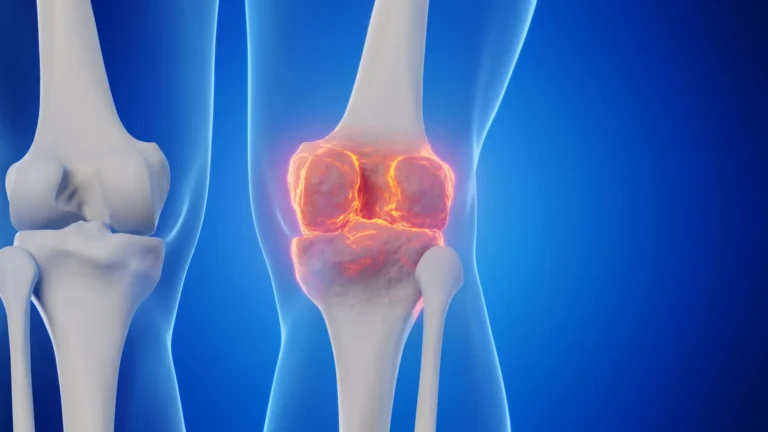
- The Experimental Manipulation: To test the consequences of this decline, the team used genetic engineering to selectively reduce Menin levels in young, healthy mice. The results were immediate and severe. These mice exhibited accelerated aging markers: thinning skin, reduced bone mass, impaired balance, chronic brain inflammation, and significant memory loss.
- The Reversal: In the final phase, the researchers introduced the Menin gene directly into the hypothalamus of elderly mice (equivalent to humans in their 70s or 80s). Within just 30 days, the "aged" mice showed a physiological transformation, displaying improved cognitive function and signs of restored vitality in bone and skin tissue.
The Role of D-Serine: A Neurochemical Bridge
One of the most intriguing aspects of the study involves the interaction between Menin and D-serine, an amino acid that functions as a crucial neurotransmitter. D-serine is essential for synaptic plasticity—the brain’s ability to forge new connections and retain information.
The researchers discovered that Menin acts as a regulatory gatekeeper for D-serine synthesis. When Menin levels drop, the enzyme responsible for creating D-serine becomes sluggish, leading to a deficiency in the brain. This lack of D-serine is a known hallmark of cognitive impairment.
A Therapeutic Possibility
In a follow-up experiment, the team provided older mice with D-serine supplements. While this did not reverse physical signs of aging like bone density loss, it did significantly boost cognitive performance. This finding is particularly significant because D-serine is found in common foods—such as eggs, fish, soybeans, and nuts—and is already available as a dietary supplement. This suggests that while Menin may be the "master switch," D-serine acts as a downstream effector that specifically targets brain health.
Supporting Data and The Broader Context
The findings from the Xiamen University team align with a growing body of research investigating the "epigenetic clock" of the hypothalamus. A 2024 study published in Nature Communications further supports this, showing that the hypothalamus undergoes distinct epigenetic modifications as it ages, affecting pathways involving oxytocin and gonadotropin-releasing hormone (GnRH).
The convergence of these studies indicates that aging is a highly programmed biological event. Rather than being a disorganized breakdown of biological systems, aging appears to be actively governed by specific genetic and hormonal pathways that can, in theory, be manipulated.
Official Responses and Scientific Interpretations
The implications of the study have been met with both excitement and measured scientific caution. Dr. Lige Leng, the study’s lead author, emphasized the potential for therapeutic application: "We speculate that the decline of Menin expression in the hypothalamus with age may be one of the driving factors of aging, and Menin may be the key protein connecting the genetic, inflammatory, and metabolic factors of aging."
However, the scientific community is quick to remind the public that these findings are currently restricted to murine models. "While the reversal of aging markers in mice is striking, the human brain is vastly more complex," says one external expert in neurobiology. "Manipulating hypothalamic pathways carries the risk of unintended systemic side effects. We are effectively trying to reprogram a thermostat that controls the entire house; we must be certain we don’t cause an electrical fire in the process."
Implications for Future Medicine
The potential to target Menin or boost D-serine levels offers a new frontier in the treatment of age-related neurodegenerative diseases, such as Alzheimer’s and Parkinson’s. If the decline of Menin is indeed a primary cause of systemic aging, then pharmacological interventions aimed at "resetting" this protein could theoretically extend not just the lifespan, but the healthspan—the number of years a person lives in good health.
Addressing the Challenges Ahead
Despite the promise, several hurdles remain:
- The "Why" Question: Researchers have yet to determine why Menin declines in the first place. Is it an evolutionary trade-off, or simply a byproduct of cellular metabolism?
- Safety Profiles: Because the hypothalamus controls such vital life-sustaining functions, any drug designed to alter Menin levels must be incredibly precise to avoid disrupting hormone regulation or body temperature.
- Long-term Efficacy: The mice showed improvements after 30 days, but the long-term impact of artificial Menin restoration remains unknown.
A New Paradigm of Aging
The research into Menin and the hypothalamus represents a seismic shift in how we view the aging process. By moving the focus from the periphery—our skin, our bones, our muscles—to the central processing unit of the brain, scientists are moving closer to treating aging as a manageable biological condition rather than an immutable law of nature.
As we look toward the future, the work of Leng and their colleagues provides a roadmap. If the hypothalamus is indeed the "clock," then Menin may be the mechanism that keeps it ticking accurately. While a "fountain of youth" pill remains a distant dream, the discovery of this hidden biological switch brings us one step closer to a world where growing older does not have to mean growing frail. For now, the scientific community continues to monitor these pathways, hopeful that in the tiny, almond-shaped hypothalamus, they have found the key to unlocking the mysteries of the human lifespan.