









For millions of people, the day does not truly begin until the aromatic steam of a fresh cup of coffee rises to meet them. Globally, we consume an average of nearly two kilograms of coffee per person each year. Whether it is a meticulously crafted pour-over, a robust espresso, or a standard drip brew, our preferences are often as specific as they are ingrained. Yet, beneath the ritual of the morning caffeine fix lies a complex biological interaction, governed by our genetics and the intricate mechanics of our cardiovascular systems.
Recent scientific inquiry has begun to strip away the myths surrounding coffee and heart health. While the popular narrative often warns that coffee is a "stimulant" that should be avoided by those with hypertension, the reality is far more nuanced. Understanding the interplay between your morning brew and your blood pressure requires a deep dive into pharmacology, cardiology, and the hidden chemical complexity of the humble coffee bean.
Main Facts: The Physiology of the Caffeine Kick
At the heart of the coffee experience is caffeine, a psychoactive compound that interacts directly with the brain’s reward system and our metabolic pathways. When you drink a cup of coffee, caffeine enters the bloodstream rapidly, typically peaking in concentration between 30 minutes and two hours after consumption.
Caffeine functions primarily as a muscle stimulant. In the short term, this can lead to an increase in heart rate and, for some, a transient rise in blood pressure. This happens through two primary mechanisms:
- Adrenaline Release: Caffeine stimulates the adrenal glands to release adrenaline, which triggers a "fight or flight" response, causing the heart to beat faster and blood vessels to constrict.
- Direct Stimulation: By blocking adenosine receptors in the brain, caffeine prevents the chemical that usually promotes relaxation and vasodilation, thereby keeping the system in a state of heightened arousal.
However, the "half-life" of caffeine—the time it takes for your body to eliminate half of the dose—is typically between three and six hours. The speed at which you metabolize this stimulant is dictated by a triad of factors: age (as liver maturity plays a role), genetics (individual metabolic rates vary significantly), and habituation (regular drinkers often develop a tolerance that accelerates clearance).
Chronology: A History of Cardiovascular Concern
The medical community’s suspicion of coffee dates back decades, rooted in early observational studies that noted the acute spikes in blood pressure following caffeine ingestion.
- The Early Warning Era: For much of the late 20th century, clinicians advised patients with hypertension to abstain from coffee, fearing that the acute pressure spikes—often recorded as an increase of 3–15 mm Hg in systolic pressure and 4–13 mm Hg in diastolic pressure—would exacerbate long-term arterial damage.
- The Era of Nuance (2000–2015): As longitudinal studies matured, researchers realized that acute, temporary increases in blood pressure did not necessarily equate to the development of chronic hypertension. The "tolerance" factor became a primary subject of study, showing that regular coffee drinkers often do not experience the same sustained blood pressure elevation as occasional consumers.
- The Modern Era (2016–Present): Contemporary research has shifted focus toward the "coffee matrix"—the hundreds of phytochemicals, antioxidants, and compounds present in coffee that act independently of caffeine. Current evidence now suggests that the cardiovascular impact of coffee is not a singular event, but a cumulative result of both the stimulant and the protective compounds found in the brew.
Supporting Data: What the Large-Scale Studies Tell Us
The most compelling data comes from meta-analyses that track thousands of participants over decades. A landmark review of 13 studies involving over 315,000 individuals sought to determine if coffee consumption acts as a precursor to hypertension. The results were surprising: Coffee intake was not associated with an increased risk of developing hypertension.
Even when researchers stratified the data by gender, smoking status, or the amount of coffee consumed, the correlation remained null. This suggests that the human body is remarkably adept at adapting to moderate caffeine intake.
The Japanese Longitudinal Study
While general population studies provide a baseline, specific cohorts require more scrutiny. A significant Japanese study followed 18,000 adults over nearly two decades. The findings presented a critical distinction:
- For the General Population: Coffee consumption showed no link to cardiovascular mortality.
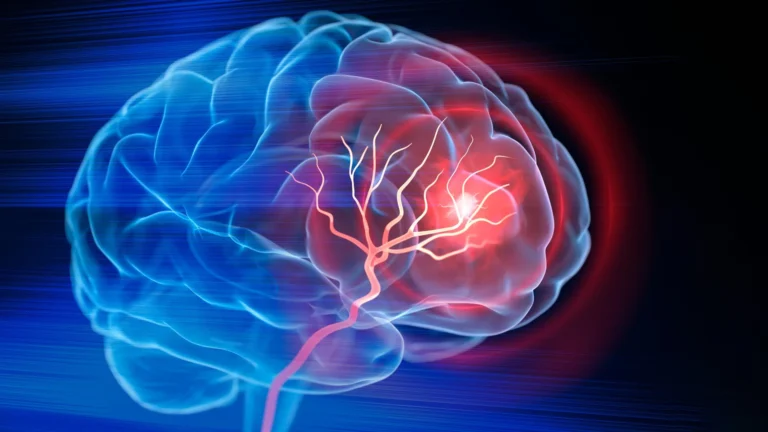
- For Grade 2–3 Hypertension Patients: There was a noted doubling in the risk of cardiovascular death for those consuming two or more cups of coffee daily.
This data provides a vital clinical takeaway: the risk profile of coffee is not static; it is highly dependent on your pre-existing cardiovascular health.

Official Responses and Clinical Perspectives
Health organizations, including the Heart Foundation, emphasize that while coffee may cause a temporary surge in blood pressure, it is rarely the sole culprit in the development of chronic hypertension. The consensus among cardiologists is that "moderation is key."
The Phytochemical Defense
It is a mistake to view coffee solely as a caffeine delivery system. Coffee contains hundreds of phytochemicals that may actually protect the cardiovascular system:
- Melanoidins: These compounds help regulate fluid volume and modulate enzymes that control blood pressure, potentially acting as a natural counterbalance to the vasoconstrictive effects of caffeine.
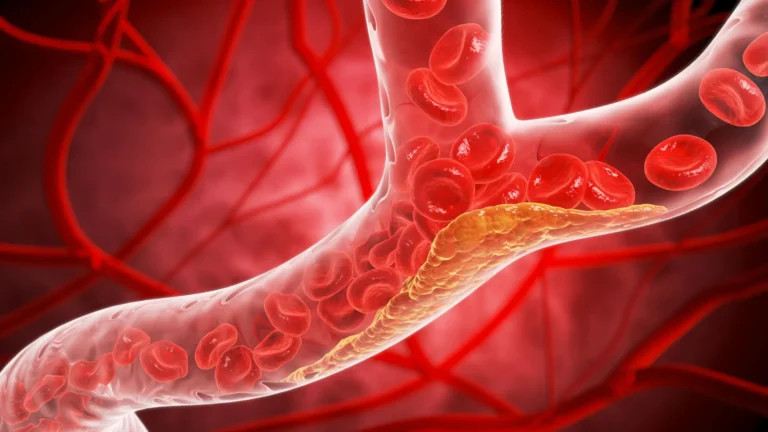
- Quinic Acid: Recent studies indicate that quinic acid can improve the health of the endothelium—the lining of your blood vessels. By improving vascular flexibility, these compounds may help the body better accommodate the transient rises in blood pressure caused by caffeine.
Implications: How to Enjoy Coffee Safely
If you are concerned about your heart health, you do not necessarily need to banish coffee from your routine. However, you should approach your consumption with a strategy informed by your specific health status.
1. Know Your Numbers
The first step is understanding your blood pressure. Normal blood pressure is defined as below 120/80 mm Hg. Hypertension is defined as 140/90 mm Hg or higher. Because hypertension is frequently asymptomatic—often called the "silent killer"—regular monitoring is the only way to know if your body is struggling to manage pressure.
2. Consult Your Doctor
If you have been diagnosed with grade 2 or 3 hypertension, or if you have pre-existing heart or liver disease, you must discuss your coffee intake with a healthcare professional. Your doctor can help you determine if your specific cardiovascular profile makes you more sensitive to the stimulant effects of caffeine.
3. Monitor Your Reaction
Pay attention to how you feel after your morning cup. If you experience palpitations, dizziness, or an irregular heartbeat (arrhythmia), your body is signaling that your current intake is likely too high.
4. Avoid the "Add-ons"
While black coffee is rich in beneficial phytochemicals, the health profile changes drastically when you add high amounts of sugar, saturated fats, or syrups. These additives contribute to weight gain, inflammation, and insulin resistance—all of which are major drivers of chronic hypertension.
5. Consider Your Metabolism
If you are a "slow metabolizer" of caffeine, you may find that even a single cup in the afternoon disrupts your sleep or leaves you feeling "on edge" for hours. Adjust your timing to ensure that your caffeine intake does not interfere with your body’s nocturnal recovery phase, which is essential for maintaining healthy blood pressure levels.
The Final Verdict
The evidence suggests that for the average adult, coffee is not a threat to cardiovascular longevity. In many cases, the antioxidant properties of the coffee bean may even offer protective benefits. However, for those with severe, uncontrolled hypertension, caution is warranted.
Coffee is neither a miracle cure nor a cardiac poison. It is a potent substance that demands a mindful approach. By listening to your body, keeping an eye on your blood pressure numbers, and opting for quality over quantity, you can continue to enjoy your daily ritual without compromising the health of your heart.