











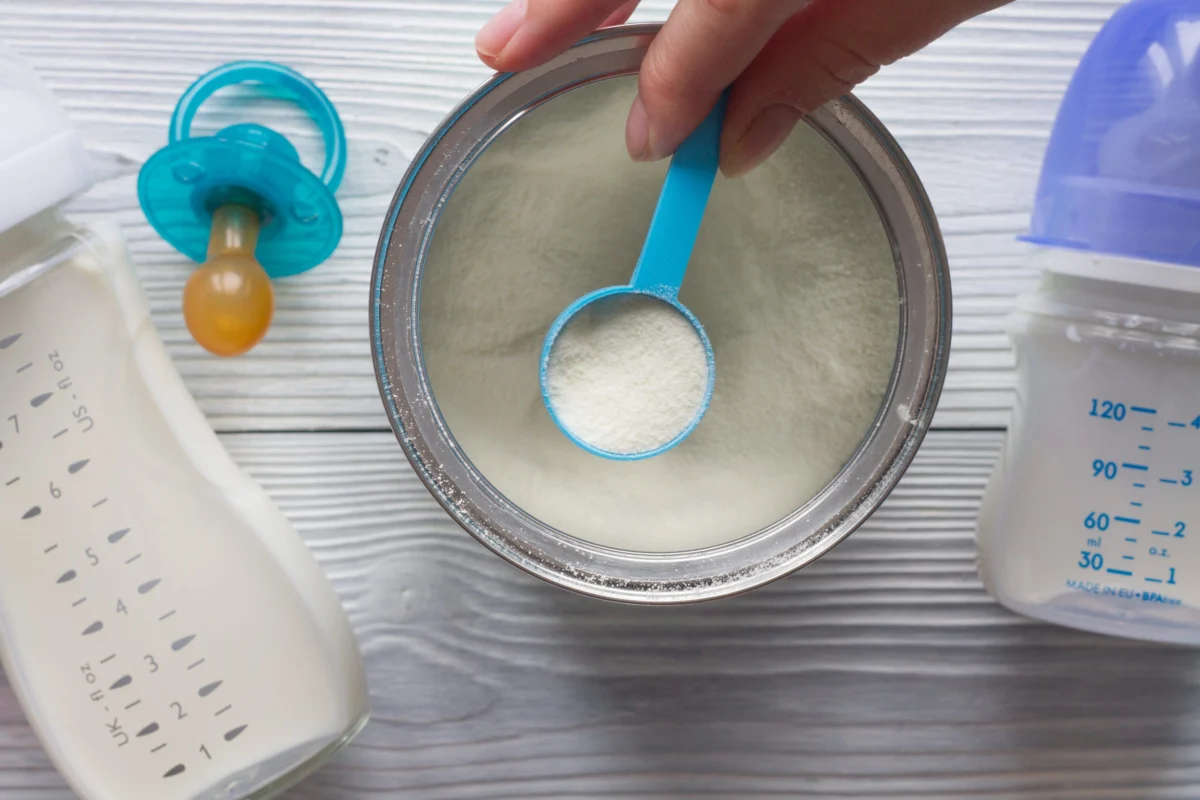
The sight of empty shelves in the baby aisle of local supermarkets has become a haunting image for American families over the past two years. For parents and caregivers, the infant formula shortage is not merely a logistical inconvenience; it is a profound source of anxiety and a direct threat to the nutritional security of their most vulnerable family members. As supply chains faltered under the weight of a global pandemic and subsequent regulatory challenges, the fragility of the nation’s specialized food supply was laid bare.
Main Facts: The Anatomy of a Nutritional Crisis
At its core, the infant formula shortage represents a failure of market concentration and supply chain resilience. Infant formula is not a discretionary consumer good; it is a critical medical necessity. For infants who cannot be breastfed—due to biological, physiological, or socioeconomic barriers—formula is their primary, and often only, source of nutrition.
The crisis was precipitated by a "perfect storm" of factors. First, pandemic-related disruptions created a baseline of instability in labor, logistics, and raw material procurement. This fragility was pushed to the breaking point when major production facilities were shuttered due to safety concerns, specifically regarding bacterial contamination. Because the U.S. market is dominated by a small number of manufacturers, the loss of even one major facility created a cascading effect that the remaining infrastructure could not absorb.
Why Formula is Irreplaceable
While public health organizations like the American Academy of Pediatrics (AAP) and the World Health Organization (WHO) universally advocate for breastfeeding, the reality for many families is far more complex.
- Medical Necessities: Infants with metabolic disorders, severe allergies (such as cow’s milk protein allergy), or gastrointestinal conditions often require specialized, hypoallergenic formulas that have no substitute.
- Socioeconomic Barriers: The U.S. remains one of the few industrialized nations without a federal paid family leave policy. Mothers returning to the workforce shortly after birth often face insurmountable challenges in maintaining a breastfeeding regimen.
- Accessibility: Access to lactation consultants and support systems is not universal, creating a significant equity gap in infant nutrition.
Chronology: A Timeline of Instability
The timeline of the shortage is characterized by a transition from pandemic-induced volatility to a systemic manufacturing crisis.
- 2020–2021: The COVID-19 pandemic begins to strain supply chains. Labor shortages, shipping bottlenecks, and panic-buying lead to localized, sporadic shortages.
- February 2022: A major tipping point occurs when Abbott Nutrition, one of the largest formula manufacturers in the U.S., voluntarily recalls several popular brands of powdered infant formula and closes its Sturgis, Michigan plant following reports of Cronobacter sakazakii infections.
- Spring 2022: The recall, combined with existing supply chain pressures, leads to a national stock-out. Retailers begin implementing purchase limits, and images of empty shelves go viral, triggering national media attention.
- May 2022: The Biden administration invokes the Defense Production Act to prioritize the production of ingredients for formula and authorizes "Operation Fly Formula," an initiative to airlift foreign-made formula into the U.S. to bridge the supply gap.
- Late 2022–2023: Regulatory bodies, including the FDA, begin an overhaul of inspection protocols and import regulations. Production slowly returns to capacity, though the market remains sensitive to fluctuations.
Supporting Data: The Concentration Problem
The vulnerability of the U.S. formula market is rooted in its extreme consolidation. Prior to the 2022 crisis, just four companies controlled approximately 90% of the U.S. infant formula market. This concentration means that when a single production line is disrupted, the entire national supply is affected.
Furthermore, the WIC (Women, Infants, and Children) program—which provides food assistance to millions of low-income families—utilizes exclusive state-level contracts with manufacturers. While these contracts reduce costs for the government, they also create a system where families are often tethered to a single brand. When that brand experiences a shortage, low-income families are disproportionately affected, as they are unable to easily switch to available store-brand or alternative options.
Official Responses and Regulatory Shifts
The U.S. government’s response to the crisis was multifaceted, involving the executive branch, the FDA, and the Department of Agriculture.
FDA Oversight
The Food and Drug Administration faced intense scrutiny during the crisis. Critics argued that the agency was slow to respond to initial whistleblower reports regarding the Sturgis facility. In response, the FDA commissioned an external review of its food program, acknowledging that its organizational structure was ill-equipped to handle the specialized oversight required for infant formula safety.
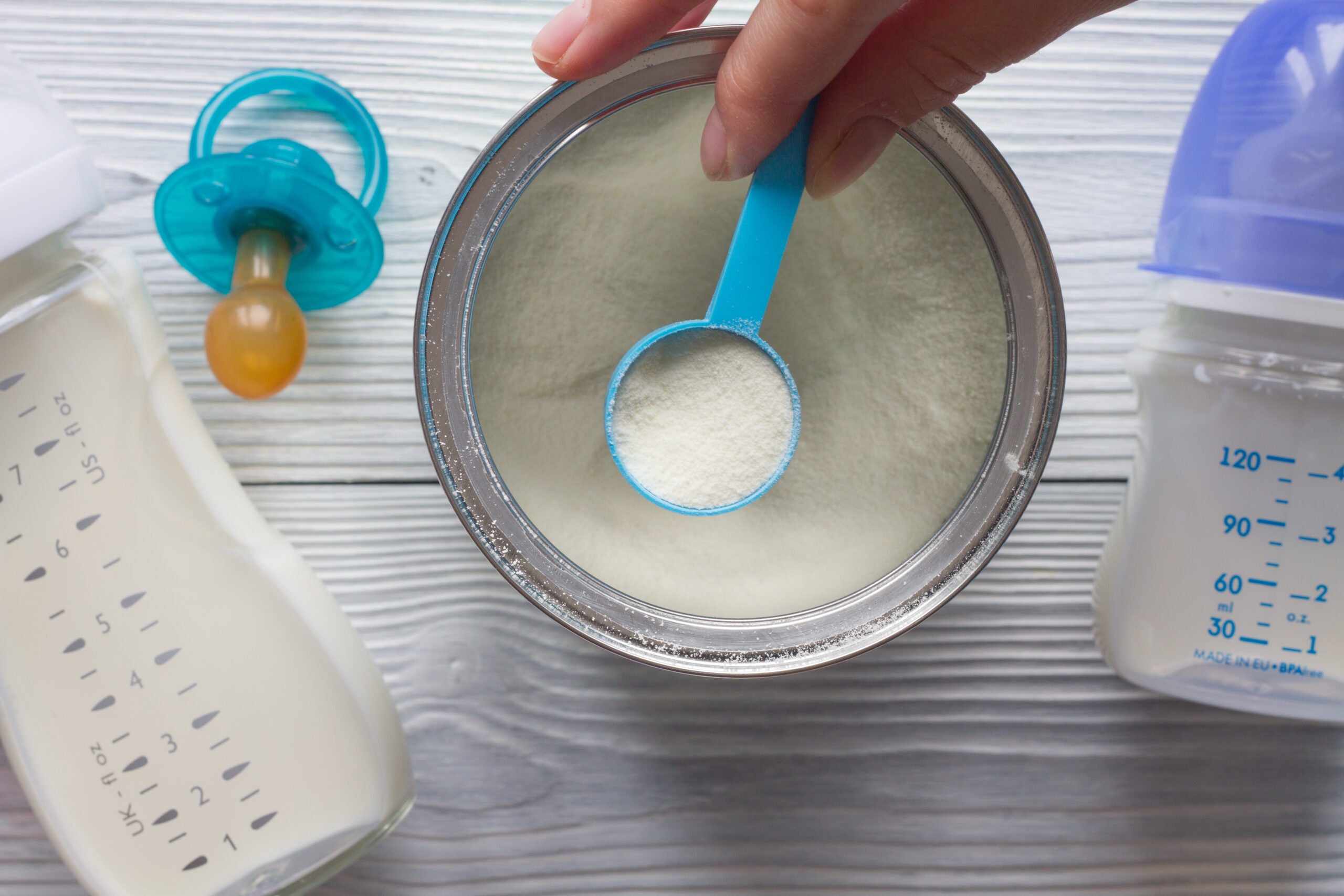
Operation Fly Formula
This initiative was a landmark use of executive power. By bypassing standard import logistics, the federal government expedited the arrival of millions of cans of formula from international partners, ensuring that specialized medical formulas reached those in critical need.
The Defense Production Act
By using the DPA, the government compelled suppliers to prioritize the raw materials needed for formula production over other consumer goods, ensuring that manufacturers had the necessary components—such as specific oils and minerals—to keep production lines running at maximum capacity.
Implications: Building a More Resilient Future
The infant formula crisis serves as a sobering lesson on the dangers of over-reliance on a thin supply chain for essential goods. Preventing a recurrence requires a multi-pronged approach involving industry, government, and public health experts.
1. Diversification of the Supply Chain
To prevent future shortages, the U.S. must incentivize a more diverse set of manufacturers. Reducing market concentration will allow for greater redundancy, ensuring that if one facility is forced to close for maintenance or safety reasons, the market has the capacity to absorb the demand.
2. Modernizing Regulatory Oversight
The FDA’s "infant formula team" needs permanent, specialized staffing that can conduct frequent, high-level inspections without waiting for reports of illness. Proactive safety monitoring must be the standard, not the exception.
3. Strengthening International Integration
The U.S. market should not operate in a vacuum. Harmonizing standards with international partners (such as the European Union) would allow for a more fluid supply of high-quality formula during domestic emergencies. Currently, regulatory barriers make it difficult to pivot to international supply chains in times of crisis.
4. Investing in Breastfeeding Support
While formula will always be a necessary component of the American nutritional landscape, systemic support for breastfeeding—including paid parental leave and expanded access to certified lactation consultants—can reduce the total dependency on commercial formula, thereby making the nation’s infant population more resilient to market disruptions.
Recommendations for Parents and Caregivers
In the wake of this crisis, public health officials emphasize that families must remain cautious about how they navigate future supply fluctuations:
- Avoid Homemade Formulas: Pediatricians warn against the use of "do-it-yourself" formulas found on the internet. These often lack essential vitamins, minerals, and protein ratios necessary for an infant’s brain and physical development, leading to severe health complications.
- Do Not Dilute: Parents should never add extra water to formula to "stretch" the supply. This can cause dangerous electrolyte imbalances in infants, which can lead to seizures or developmental issues.
- Consult Professionals: If a specific formula is unavailable, parents should contact their pediatrician before switching brands. Doctors can provide guidance on safe alternatives that are nutritionally similar.
- Avoid Stockpiling: While the instinct to panic-buy is understandable, excessive hoarding exacerbates shortages for the most vulnerable families who may only be able to purchase formula one week at a time.
Conclusion
The infant formula shortage was a wake-up call for a nation that had taken the security of its food supply for granted. It highlighted that in a globalized economy, the health of our children is inextricably linked to the stability of our logistics and the vigilance of our regulatory agencies. As we look toward the future, the goal must be to build a system that prioritizes nutritional security as a fundamental right, ensuring that no parent is forced to choose between the health of their infant and the availability of a basic necessity. By implementing structural reforms and fostering a more competitive market, the U.S. can ensure that the shelves remain stocked, and more importantly, that the next generation is nourished, safe, and secure.