











There is a specific, unmistakable warmth associated with a Southern kitchen—a sensory landscape defined by the scent of browning butter, the rhythmic scraping of a wooden spoon against a cast-iron skillet, and the quiet wisdom of a matriarch who cooked not just to nourish, but to preserve a culture. For many, the culinary foundation of their upbringing was laid by a grandmother whose kitchen was the heart of the home. These women were the original "scratch cooks," turning modest pantry staples into legendary, soul-warming feasts.
To eat in a Southern home is to participate in a living history. While modern culinary trends favor convenience, these seven classic dishes remain the gold standard of comfort, representing a heritage that bridges the gap between the past and the present.
The Cultural Significance of Southern Cuisine
Southern cooking is more than just a collection of recipes; it is a complex narrative of ingenuity and resourcefulness. Historically, Southern kitchens were centers of transformation. Whether through the slow-braising of tough cuts of meat or the mastery of seasonal produce, these techniques were born out of necessity and elevated by generations of refinement.
The "matriarchal kitchen" phenomenon is a hallmark of this region. It is where recipes were passed down through oral tradition rather than cookbooks—a "pinch of this" or a "handful of that" that often proved impossible to perfectly replicate. The following seven dishes are the pillars of this tradition.
1. Chicken and Dumplings: The Ultimate Comfort
Chicken and dumplings is perhaps the quintessential Southern comfort food. It is a dish that requires patience, particularly when it comes to rolling out the dough.
The Craft of the Dumpling
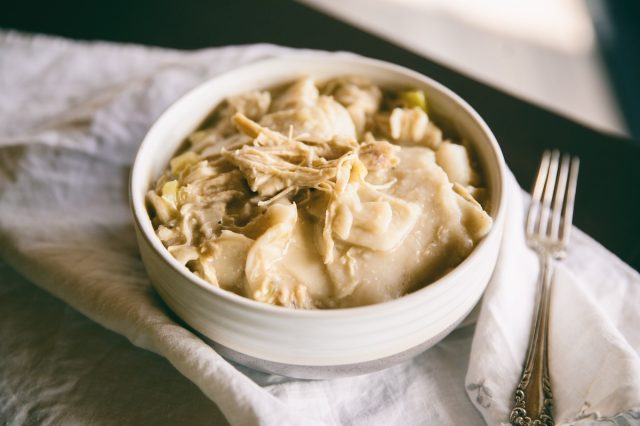
True Southern dumplings are not merely biscuits dropped into broth; they are rolled, flat strips of tender, unleavened dough that absorb the rich, poultry-infused gravy. This dish is a testament to the "waste-not" philosophy of Southern cooking, utilizing the entire bird to create a hearty, thick stew.
Modern Perspectives
In today’s fast-paced world, many home cooks have adapted this classic for modern appliances. As one enthusiast on Reddit noted, “A delicious batch of chicken and dumplings can be super simple. I cook it in a crockpot, but the recipe can work for any cooking vessel.” Despite the method of heat, the soul of the dish remains in the scratch-made dough, which provides a chewy, comforting texture that canned alternatives simply cannot match.
2. Southern Collard Greens: The Heart of the Garden
While many regions have adopted collard greens as a health food staple, in the South, they have traditionally served a much more decadent purpose.
The Role of "Pot Likker"
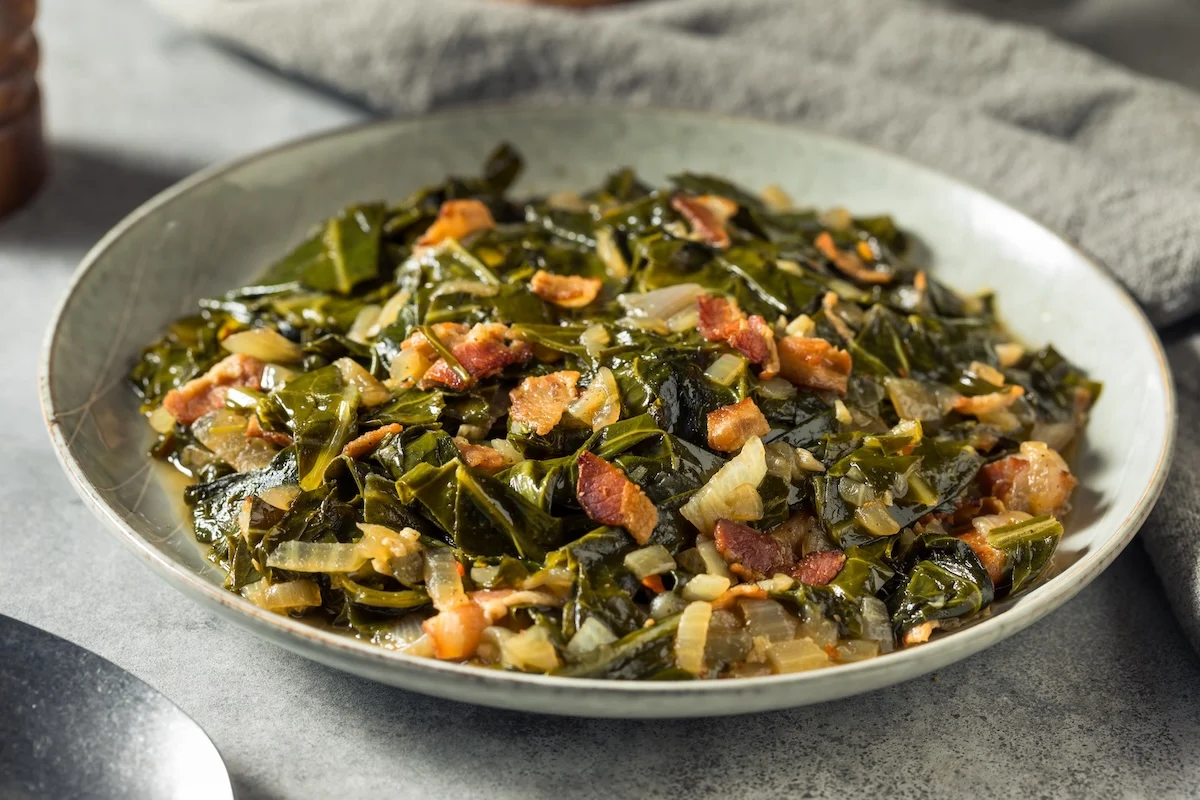
The secret to authentic Southern greens lies in the "pot likker"—the nutrient-dense, flavorful broth left at the bottom of the pot after hours of simmering. Traditionally, these greens were braised with fatty cuts of pork, such as ham hocks, bacon, or fatback, which seasoned the leaves and infused the dish with a depth of flavor that defines Southern soul food.
A Sensory Memory
“There was always greens. Turnip greens or collard greens. These were typically pressure-cooked with bacon, ham, and onion,” recalls one home cook. The addition of a splash of vinegar at the end is a critical, traditional step, cutting through the richness of the pork fat and brightening the earthiness of the greens.
3. Creamed Corn Casserole: A Symphony of Sweet and Savory
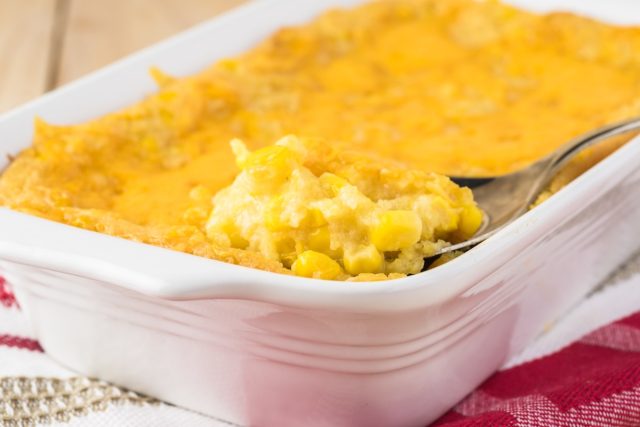
Somewhere between a vegetable side dish and a dessert, Southern creamed corn casserole—often referred to as corn pudding—is a staple at every family reunion and holiday gathering.
The Texture of Tradition
The dish relies on the balance of fresh or canned corn, heavy cream, eggs, and often a touch of cornmeal or flour. When baked, it achieves a custard-like consistency that is simultaneously silky and rustic. It is a dish that speaks to the agricultural abundance of the South.
The Nostalgia Factor
“There’s something magical about recipes passed down from generation to generation,” a culinary enthusiast recently shared. “They carry the warmth of shared memories, family gatherings, and the comfort of home-cooked meals.” For many, the aroma of corn pudding baking in the oven is inextricably linked to the sound of family chatter around a crowded dining table.
4. Biscuits and Sausage Gravy: The Breakfast of Champions
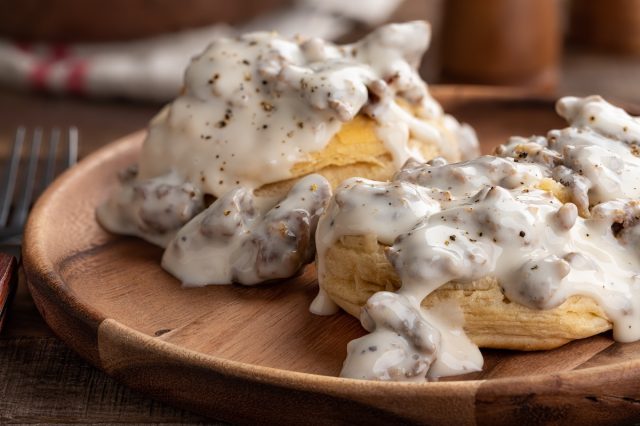
If one dish defines the Southern breakfast, it is undoubtedly biscuits and sausage gravy. This dish is an exercise in mastering the fundamentals: the flaky, buttery buttermilk biscuit and the peppery, roux-thickened gravy.
The Anatomy of the Gravy
The gravy is made by browning high-quality breakfast sausage in a cast-iron skillet, adding flour to create a roux, and thinning it with milk until it reaches a velvety, pourable consistency. The heavy dose of black pepper is the signature of the dish, providing a necessary kick to the creamy base.
Culinary Evolution
While the classic recipe is revered, many families have developed their own signature tweaks. Some incorporate shredded cheddar or bits of spicy sausage directly into the biscuit dough, creating an all-in-one breakfast experience that is as satisfying as it is filling.
5. Homemade Banana Pudding: The Sweet Finish
No Southern Sunday dinner was complete without a towering dish of homemade banana pudding. Unlike the instant versions found in supermarkets, a traditional Southern banana pudding is a labor of love.
The Essential Layers
The dish requires a rich, homemade vanilla custard, fresh sliced bananas, and a generous layering of vanilla wafers. The inclusion of a fluffy, golden-brown meringue topping—baked until just set—is what separates a simple pudding from a masterpiece.
A Recipe Unattainable
The inability to replicate a grandmother’s specific version is a common sentiment among home cooks. One Redditor noted, “My grandma would always make delicious, delicious banana pudding with homemade meringue and a Nilla wafer crust. I have the actual dish she made that in. I have never duplicated it.” This sentiment highlights the ephemeral nature of home cooking; it is not just the ingredients, but the intuition of the cook that makes the dish what it is.
6. Country Fried Steak: The Texan Pillar
Often confused with chicken-fried steak, country fried steak is a staple that bridges the gap between humble ingredients and elevated comfort.
The Technique
The dish involves taking a tough cut of beef, tenderizing it thoroughly, dredging it in seasoned flour, and pan-frying it until golden brown. The final touch—a generous ladling of pepper-studded cream gravy—is mandatory.
Cultural Identity
In Texas and across the South, this dish is more than a meal; it is a cultural touchstone. As one observer noted, “This is one of those things that if you’ve lived in Texas and not had chicken-fried steak, then you’re missing out on a huge part of being a Texan.” It is a dish that commands respect and remains a best-seller in diners and home kitchens alike.
7. Southern Peach Cobbler: A Seasonal Celebration
When the peaches are at their peak in the heat of summer, the Southern kitchen inevitably turns to peach cobbler.
The Perfection of Simplicity
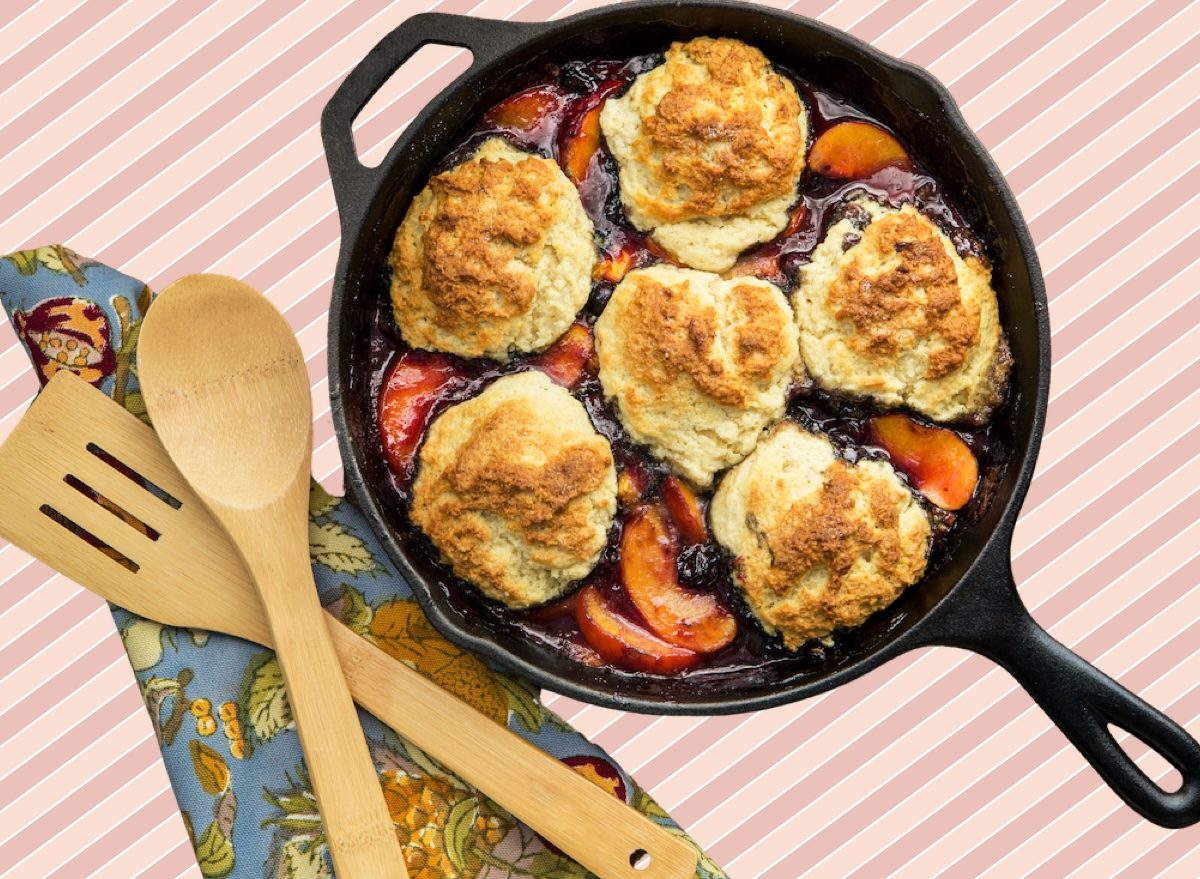
Unlike a pie, which requires a precise crust, a cobbler is more forgiving, often featuring a biscuit-like topping or a cake-like batter that bubbles up through the stewed, sugared fruit. Served warm with a scoop of melting vanilla ice cream, it is widely considered the pinnacle of Southern desserts.

The Georgia Influence
“My family is from Georgia, and my great-grandma’s peach cobbler recipe is still the only cobbler I will make,” says one home cook. “Warm cobbler and a scoop of vanilla ice cream is absolute heaven.” It serves as a reminder that the best recipes are often those that rely on the quality of local, seasonal produce.
Implications of the "Grandma Kitchen" Movement
The enduring popularity of these seven dishes suggests a cultural shift toward "slow food" and ancestral preservation. In an era of ultra-processed convenience, these recipes serve as a form of rebellion.
Why We Return to These Roots
- Mental Health and Comfort: Studies in culinary psychology have shown that "comfort foods"—specifically those associated with childhood—trigger the release of dopamine and reduce cortisol levels.
- Community Preservation: Cooking these dishes acts as a mechanism for cultural transmission. When a parent teaches a child how to roll dumplings or make a roux, they are passing down a heritage that transcends the plate.
- Economic Resilience: These dishes were originally designed to feed large families on a budget. As economic pressures rise, the return to these high-volume, low-cost staples is a pragmatic, as well as nostalgic, choice.
The Future of Southern Cuisine
While these recipes are rooted in history, they are not static. Modern chefs are increasingly taking these traditional concepts and infusing them with new, global flavors—such as adding kimchi to collard greens or using high-quality wagyu for country-fried steak. However, the core identity of these dishes remains tied to the Southern kitchen, where the primary ingredient is always care.
As we look toward the future, the challenge for the next generation is not just to replicate these recipes, but to understand the why behind them. These are not just calorie-filled meals; they are the edible artifacts of a culture that prioritized hospitality, endurance, and love. Whether it is a bowl of chicken and dumplings on a rainy day or a dish of peach cobbler at a summer barbecue, these dishes ensure that the spirit of the Southern grandmother remains a vibrant, delicious part of our collective future.