Continuous glucose monitoring (CGM) is rapidly shedding its identity as a niche tool for diabetes management, emerging instead as a cornerstone of the burgeoning consumer health technology sector. On Wednesday, Silicon Valley-based digital health startup Signos announced a successful $20 million funding round, signaling a significant shift in how healthcare providers and consumers approach weight management and long-term metabolic health.
The funding round, which brings Signos’ total capital raised to $57 million since its inception in 2018, saw participation from high-profile investors including Dexcom, GV (Google Ventures), and Blue Cross Blue Shield of Alabama. This infusion of capital is earmarked to accelerate the company’s growth and expand its reach into the corporate benefits market, positioning the platform as a sophisticated, data-driven alternative to the traditional "calorie-counting" approach to weight loss.
Main Facts: The Intersection of Tech and Metabolism
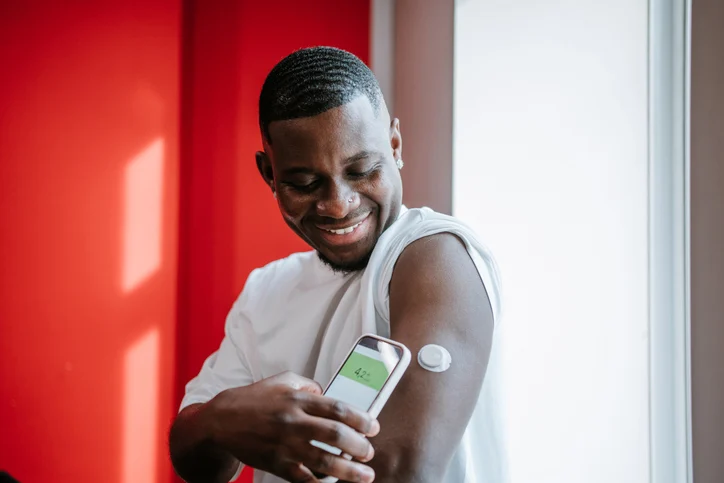
At its core, Signos offers a comprehensive ecosystem that combines wearable hardware with a proprietary AI-powered software interface. By leveraging the Dexcom Stelo—the first FDA-cleared over-the-counter (OTC) continuous glucose monitor—Signos provides users with real-time visibility into their blood sugar levels.
Unlike traditional medical monitoring, where data is often siloed and interpreted only by clinicians, Signos translates raw glucose data into actionable behavioral insights. The platform’s algorithm analyzes how specific foods, physical activity, sleep patterns, and stress levels influence an individual’s metabolism. By offering personalized, AI-generated dietary recommendations, the company aims to move beyond generic health advice, helping users establish a nuanced understanding of their unique metabolic signatures.
The subscription-based service is positioned as a premium wellness tool, with costs ranging from $129 to $449 per month. While this price point currently appeals to early adopters and self-pay consumers, Signos is aggressively pivoting toward the employer-sponsored benefits market as a primary growth vector.
Chronology: From Concept to Market Leader
The trajectory of Signos mirrors the broader maturation of the digital health industry.
- 2018: Signos is founded in Silicon Valley, predicated on the idea that metabolic health data should be democratized for the general population.
- 2024: A pivotal year for the industry, marked by the FDA’s landmark decision to clear the Dexcom Stelo as the first OTC continuous glucose monitor. This regulatory shift removed significant barriers to entry, allowing companies like Signos to integrate medical-grade hardware into consumer-facing health products without the need for a prescription.
- 2026 (May): Signos secures $20 million in its latest funding round, validating its business model in a post-GLP-1 market. The company’s total funding reaches $57 million, reflecting sustained investor confidence despite broader economic headwinds in the digital health sector.
Supporting Data: The Metabolic Crisis
The urgency behind Signos’ growth is underscored by alarming public health statistics. According to the Centers for Disease Control and Prevention (CDC), more than 115 million adults in the United States are currently living with prediabetes. Perhaps more concerning is that over 80% of these individuals remain completely unaware of their condition.
This "metabolic invisibility" is a central challenge that Signos seeks to address. While glucose monitoring was once restricted to those with clinical diabetes, the company argues that glucose levels are a fundamental indicator of energy efficiency, fat storage, mood regulation, and cravings—factors that affect the entire adult population. By providing a "feedback loop" for the body, Signos aims to move the needle on preventive care, catching metabolic dysfunction before it transitions into chronic disease.
Official Responses: Sharam Fouladgar-Mercer on the GLP-1 Era
In an interview regarding the funding, Signos CEO Sharam Fouladgar-Mercer emphasized that the startup is not looking to compete with the current wave of weight-loss drugs—such as Ozempic and Wegovy (GLP-1 receptor agonists)—but rather to complement them.
"GLP-1s can be incredibly helpful tools for many people, but they don’t teach long-term metabolic understanding," Fouladgar-Mercer noted. He expressed concern regarding the high rate of weight regain that often occurs once patients cease GLP-1 therapy. "Many people regain weight after stopping GLP-1s because they return to the same patterns without realizing it. Without understanding how food, meal timing, movement, and stress affect their body, people often struggle to maintain results once appetite suppression fades."
Fouladgar-Mercer highlighted a critical distinction: access to data versus the ability to interpret it. "The rise of CGMs for those without diabetes creates access to knowledge. However, access without interpretation is overwhelming." Signos’ mission is to bridge this gap, providing the "why" behind the data, thereby fostering lasting behavioral change.
Implications: The Future of Corporate Wellness and Reimbursement
The implications of Signos’ growth extend far beyond the individual user. The company’s strategic move to court self-insured employers suggests a major shift in how organizations manage the rising costs of obesity and diabetes-related health complications.
The Employer-Sponsored Pivot
As obesity rates continue to drive up health insurance premiums, large employers are increasingly looking for ways to intervene early. By providing employees with tools to manage their metabolic health, firms hope to reduce the long-term reliance on expensive pharmaceuticals and minimize absenteeism related to chronic health issues.
The Regulatory Landscape
Signos holds the distinction of being the only FDA-cleared CGM system specifically marketed for weight management. This regulatory status provides a significant competitive moat, allowing the company to integrate CGM data into a unified, medical-grade platform while others may struggle to navigate the thin line between wellness products and regulated medical devices.
Challenges to Adoption
Despite the optimism, significant hurdles remain. Widespread reimbursement from traditional health insurance plans is still in its infancy. Most plans are hesitant to cover CGM technology for individuals who do not have a clinical diagnosis of diabetes or prediabetes. Consequently, Signos’ near-term growth is heavily dependent on the "employer benefits" channel, which requires proving to corporate HR departments that the platform provides a measurable return on investment in the form of improved health outcomes and reduced healthcare spending.
Ethical and Privacy Considerations
As data-driven health tools become more prevalent, the handling of sensitive metabolic information will inevitably come under scrutiny. Signos will need to maintain rigorous standards regarding data privacy and security to ensure that users—and their employers—feel comfortable with the granular tracking of their daily habits.
Conclusion: A New Standard for Metabolic Health
The $20 million investment in Signos is more than just a financial milestone; it is a testament to the changing paradigm of healthcare. We are witnessing a transition from a reactive model, where patients are treated only after metabolic markers reach clinical thresholds, to a proactive model, where individuals are empowered with real-time data to optimize their physiology.
As the platform scales, the ultimate test will be whether Signos can translate its technological promise into durable, population-level health improvements. If successful, the company may set the standard for a new category of "metabolic fitness" that, in the coming decade, could become as common and essential as daily fitness tracking or routine physical exams. By turning complex biological data into a roadmap for daily living, Signos is helping to usher in an era where metabolic health is no longer a mystery to be solved by doctors, but a metric to be managed by the individual.