26 August, 2026
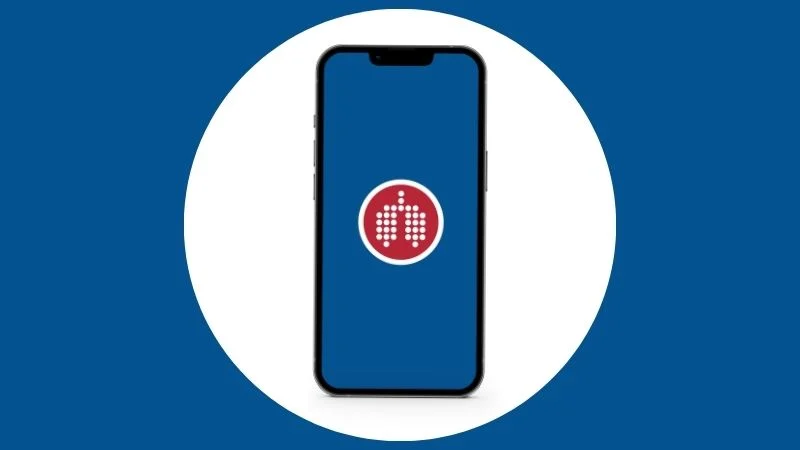
In an era defined by the rapid digitalization of medical education and professional networking, the European Respiratory Society (ERS) has officially unveiled its most ambitious digital project to date: the new ERS app. Designed to bridge the gap between high-level academic congresses and the daily clinical practice of respiratory physicians, the application serves as a centralized hub for the global respiratory community. By consolidating real-time congress logistics with a deep library of scientific resources, the ERS is fundamentally altering how medical professionals engage with their society and their peers.
Main Facts: A Unified Digital Experience
The launch of the ERS app represents a departure from the traditional, fragmented approach to society digital tools. Previously, users were often forced to navigate separate portals for event scheduling, journal access, and continuing medical education (CME) credits. The new platform integrates these disparate functions into a single, seamless user interface.
At its core, the app serves a dual purpose. First, it functions as a sophisticated event management system, providing attendees of ERS congresses with personalized itineraries, live session updates, and interactive networking tools. Second, it operates as a persistent professional companion, offering year-round access to a vast repository of multimedia content, including peer-reviewed video presentations, clinical podcasts, and breaking news within the field of respiratory medicine.
Key features highlighted at the launch include:
- Integrated Congress Management: Real-time scheduling and interactive maps to navigate complex international events.
- Multimedia Resource Library: On-demand access to ERS-curated videos and expert-led podcasts.
- Continuous Learning: Seamless access to online events and interactive educational modules designed for clinical skill development.
- Community Connectivity: Direct links to the latest ERS opportunities, funding calls, and membership benefits.
Chronology: From Concept to Global Deployment
The development of the ERS app was not a reactionary measure but the culmination of a multi-year digital transformation strategy.
Phase 1: The Vision (2023–2024)
Following the post-pandemic shift toward hybrid medical conferences, ERS leadership recognized a growing demand for a platform that could maintain engagement between physical congress dates. Data indicated that while member participation during congresses remained high, engagement with educational content during the intervening months often plateaued.
Phase 2: Development and Beta Testing (2025)
Throughout 2025, the ERS technical team prioritized "user-centric design." Focus groups consisting of pulmonologists, respiratory therapists, and thoracic surgeons provided feedback on the usability of the interface. A core requirement was that the app should be "frictionless"—requiring minimal steps to access critical medical guidelines or session recordings.
Phase 3: The Launch (August 2026)
The official release in late August 2026 was strategically timed to coincide with the society’s peak calendar of events, ensuring that the initial user base would be comprised of the most active members of the respiratory community. By deploying the app ahead of the upcoming congress cycle, the ERS aimed to ensure that the infrastructure was stress-tested and optimized for the high-traffic environment of international scientific gatherings.
Supporting Data: Why Digital Adoption Matters in Pulmonology
The necessity of the ERS app is backed by evolving trends in medical consumption. According to recent surveys conducted by the society, 78% of ERS members now access professional development materials via mobile devices at least once a day.
Furthermore, the complexity of modern respiratory medicine—marked by rapid advancements in biologics for asthma, breakthroughs in interstitial lung disease (ILD) treatments, and the integration of AI in diagnostic imaging—demands a rapid dissemination of information. Traditional publication cycles in medical journals often leave a gap between discovery and implementation. The ERS app aims to shrink this window by providing "breaking news" notifications that alert clinicians to major clinical trial results or emergency public health advisories related to respiratory viruses.
Engagement metrics from the pilot phase showed a 40% increase in the consumption of audio-visual educational content compared to browser-based desktop access, underscoring the shift toward "on-the-go" professional development.
Official Responses and Strategic Outlook
"The ERS app is not merely an event tool; it is a commitment to the lifelong learning journey of our members," stated a spokesperson for the Society’s Digital Innovation Committee during the launch press conference. "We recognized that our members are time-poor and information-rich. By creating a platform that is as useful on a Tuesday morning in the clinic as it is on a Sunday afternoon at a congress, we are providing value that stays with them throughout their career."
Industry observers have noted that the ERS is setting a new benchmark for medical societies. Dr. Elena Rossi, an independent consultant in medical education technology, remarked: "What the ERS has achieved is the creation of a ‘sticky’ digital ecosystem. By integrating the Guidelines Assistant into the roadmap, they are moving from being a content provider to becoming a clinical decision support tool."
The society has emphasized that this is a living project. Unlike static software, the ERS app will receive monthly updates based on user feedback, ensuring that the features remain aligned with the clinical requirements of the frontline medical workforce.
Implications: The Future of Clinical Practice
The launch of this app carries significant implications for the future of respiratory medicine in several key areas:
1. Democratization of Medical Guidelines
Perhaps the most anticipated feature is the upcoming "ERS Guidelines Assistant." Traditionally, clinical guidelines are dense, lengthy documents that can be difficult to reference quickly during patient consultations. By digitizing these guidelines into an interactive, search-optimized format, the app will allow clinicians to verify best-practice protocols in real-time. This has the potential to improve patient safety and ensure that care is standardized across different regions and hospital systems.
2. Global Equity in Education
Medical professionals in developing nations often face barriers to attending international congresses due to travel costs and visa constraints. The ERS app serves as a digital bridge, allowing these professionals to participate in the scientific discourse, access recordings of high-level sessions, and interact with global experts without the need for physical presence. This initiative aligns with the ERS’s broader mission to reduce global health disparities in respiratory care.
3. Sustainable Professional Development
The shift toward digital-first education also contributes to the society’s sustainability goals. By reducing the reliance on printed program books, physical leaflets, and auxiliary printed materials, the ERS is significantly lowering the carbon footprint of its events. The app serves as a centralized, green alternative that eliminates the waste associated with legacy conference materials.
Looking Ahead: The ERS Roadmap
As the respiratory community integrates the new app into their daily workflows, the society is already looking toward the next horizon. Integration with wearable health data, personalized content feeds based on user specialization (e.g., pediatric vs. adult pulmonology), and expanded interactive case studies are currently in the development pipeline.
For the clinician of 2026, the device in their pocket is no longer just a smartphone; it is an extension of their medical library and a portal to the collective knowledge of the world’s leading respiratory experts. As the ERS continues to refine this tool, the focus remains clear: empowering the physician, supporting the researcher, and ultimately, improving the lives of patients suffering from respiratory disease.
How to get started:
The ERS app is now available for download. Professionals are encouraged to visit the Google Play Store or the Apple App Store to install the application. Upon registration, users can customize their profiles to receive tailored notifications and updates relevant to their specific areas of respiratory interest, ensuring that the app remains a truly personalized professional asset.
In a world where medical knowledge doubles every few months, having a reliable, mobile-first companion is no longer an optional luxury—it is an essential component of modern medical practice. The ERS app is ready to serve that role for the next generation of respiratory specialists.