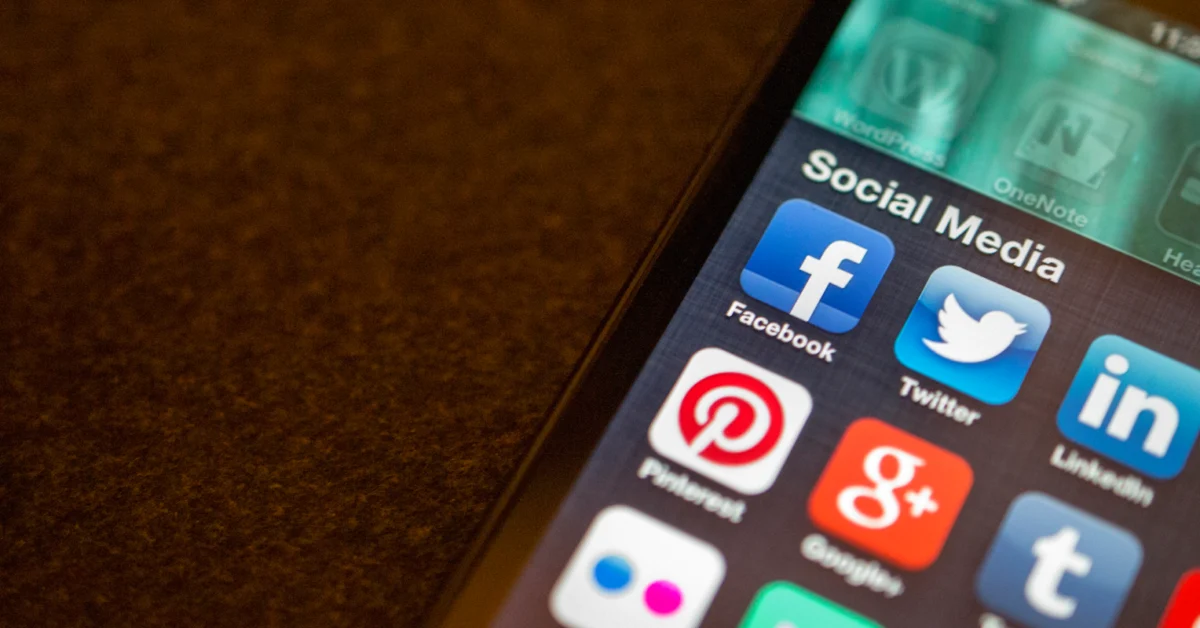
In the modern era, social media has evolved from a niche digital pastime into the primary architecture of our social, professional, and political lives. It serves as the great mediator of human connection, an endless fountain of entertainment, and a pervasive, often addictive, stream of content that permeates every waking hour. Yet, as we become increasingly tethered to our screens, a growing body of psychological research suggests that our digital habits are exacting a toll on our mental well-being and self-image.
Does this mean the only path to peace of mind is a total digital exodus? The reality, as is often the case with matters of the human psyche, is far more nuanced. To understand our place in the digital age, we must dissect the dual nature of social media: its capacity to build profound bridges and its inherent potential to undermine our internal stability.
The Main Facts: A Digital Double-Edged Sword
At its core, social media is a tool of amplification. It amplifies human connection, information dissemination, and community building, but it also amplifies comparison, anxiety, and social polarization.
The primary allure of these platforms lies in their ability to dissolve geographic barriers. For the individual, this means the capacity to find a "tribe"—a community of like-minded souls united by shared hobbies, professional aspirations, or identity markers that might be absent in their immediate physical surroundings. However, this same connectivity creates a "highlight reel" culture. Because users curate their online presence to showcase only the most aesthetic or successful moments of their lives, observers are often left with a distorted perception of reality. This creates a fertile ground for the "comparison trap," where users measure their own messy, everyday lives against the manufactured perfection of others, often resulting in diminished self-esteem and feelings of inadequacy.
A Chronological Evolution of Digital Interaction
To understand the current crisis of digital mental health, one must look at how our relationship with technology has shifted over the last two decades.
- The Early 2000s (The Era of Connection): Social media began as a novelty—a way to reconnect with distant friends and organize social events. The focus was on "friending" and digital diaries. Mental health concerns were largely absent from the conversation as the scale of usage remained relatively small.
- The 2010s (The Rise of the Algorithm): With the proliferation of smartphones and the introduction of infinite scrolling, social media shifted from a utility to an addiction. Algorithms were refined to prioritize high-engagement content, often incentivizing outrage and sensationalism. This era marked the beginning of the "attention economy."
- The 2020s (The Pandemic Catalyst): The COVID-19 pandemic acted as a massive forcing function. With the world in lockdown, physical socialization was replaced by digital surrogates. While this provided a vital lifeline for many, it also accelerated the "always-on" culture, where the boundary between work, leisure, and social obligation effectively vanished.
- The Current Era (The Reckoning): We are currently in a period of evaluation. Legislative bodies, researchers, and users alike are beginning to question the systemic impact of these platforms, leading to the first major attempts at regulating how tech companies handle user data and psychological well-being.
Supporting Data: What the Research Tells Us
The quantitative evidence regarding social media’s impact is both compelling and alarming. A landmark survey by the Royal Society for Public Health (RSPH) highlighted the specific anxieties of the younger generation. The findings revealed that nearly 70% of teens reported receiving meaningful emotional support from peers via social media during times of crisis. This confirms that for many, these platforms are not just distractions; they are safety nets.
Conversely, the same survey painted a darker picture. Roughly 70% of respondents reported encountering cyberbullying, with 37% describing that abuse as "frequent and sustained." The correlation between such experiences and the onset of depression, anxiety, and symptoms of post-traumatic stress disorder (PTSD) is well-documented in clinical literature.
Furthermore, internal documents—most notably those leaked from Facebook—have provided a window into the corporate understanding of these impacts. One study found that 32% of teen girls, who already reported feeling dissatisfied with their body image, stated that Instagram exacerbated those feelings. This indicates that the platforms are not merely passive observers of mental health struggles but are often active participants in their amplification.
Official Responses and Industry Accountability
The response from the tech industry and government bodies has been mixed. On one hand, there have been successful efforts to use social media as a tool for public good. The National Academies of Sciences, Engineering, and Medicine highlighted the efficacy of state-directed campaigns like Scotland’s "See Me" initiative. By leveraging digital platforms to destigmatize mental illness, the campaign achieved an 11% reduction in the public belief that the mentally ill should be excluded from society, and a 17% drop in the perception that they are inherently dangerous.
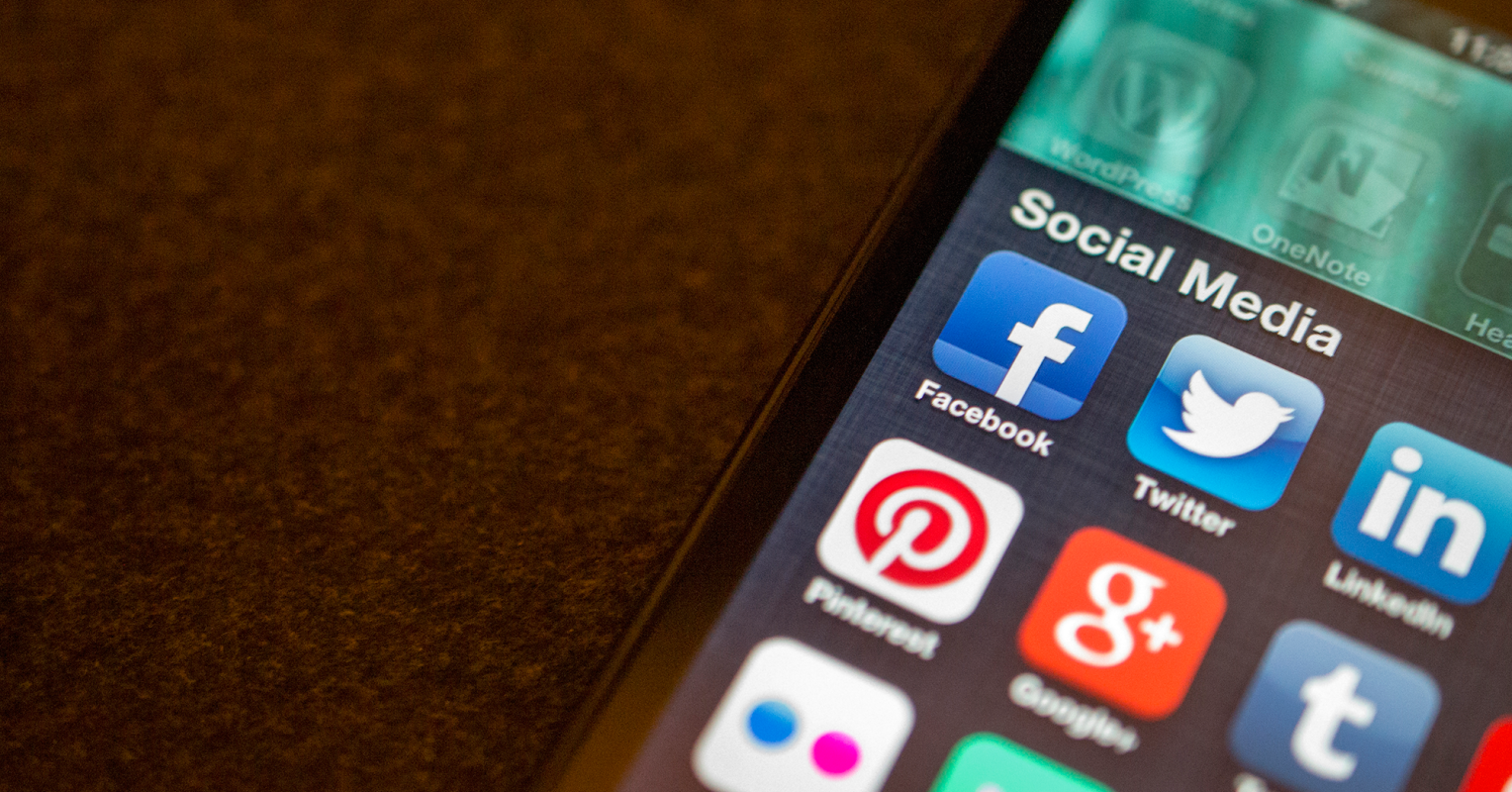
However, the response from the platforms themselves is often criticized as reactive rather than proactive. While features such as "hidden like counts" or "time-limit reminders" have been implemented, critics argue these are superficial changes that fail to address the core issue: the algorithmic drive for engagement. When engagement is the primary metric of success, algorithms will inevitably prioritize content that triggers strong emotional reactions—often fear, anger, or envy—because those emotions keep users on the app longer.
Implications for the Future: Striking a Balance
If we cannot—or will not—entirely abandon these digital spaces, how do we reconcile our mental health with our digital presence? The solution lies in a shift from passive consumption to intentional engagement.
1. The Audit of the Digital Environment
Just as we audit our physical diet, we must audit our digital diet. If a specific platform or account consistently leaves you feeling drained, anxious, or inferior, the most powerful tool you possess is the "unfollow" or "delete" button. Curation is not avoidance; it is self-preservation.
2. Algorithmic Literacy
Understanding how platforms work is the first step toward reclaiming agency. When users realize that their feed is not a reflection of reality, but a reflection of what the algorithm thinks they want to see, they can begin to detach their self-worth from the content they encounter.
3. Moderation as a Standard
The paradox of social media is that it is both a tool for connection and a catalyst for isolation. The distinction is defined by usage. Studies suggest that "active" use—commenting, direct messaging, and building relationships—is generally more beneficial than "passive" use, which involves mindless scrolling and consuming content without interacting. By moving from passive to active, users can recapture the sense of community that these platforms were originally designed to foster.
4. Setting Boundaries
The "always-on" culture is a choice, not an inevitability. Implementing digital-free hours—such as the first hour after waking or the hour before bed—can significantly mitigate the "fear of missing out" (FOMO) and provide the brain with the necessary downtime to process daily stressors without the constant intrusion of notifications.
Conclusion
The relationship between social media and mental health is not a binary of "good versus evil." It is a complex, evolving dynamic that mirrors the complexities of the human experience itself. While these platforms can be weaponized against our self-esteem, they also serve as vital conduits for empathy, education, and community.
We must stop viewing social media as an uncontrollable force of nature and start treating it as a utility that requires management. By fostering digital literacy, setting firm boundaries, and prioritizing real-world connections, we can mitigate the negative impacts of the digital age. In doing so, we ensure that our technology remains a tool for our growth rather than a thief of our joy. The responsibility lies not just with the developers of these platforms, but with the individuals who choose how, when, and why we connect.