










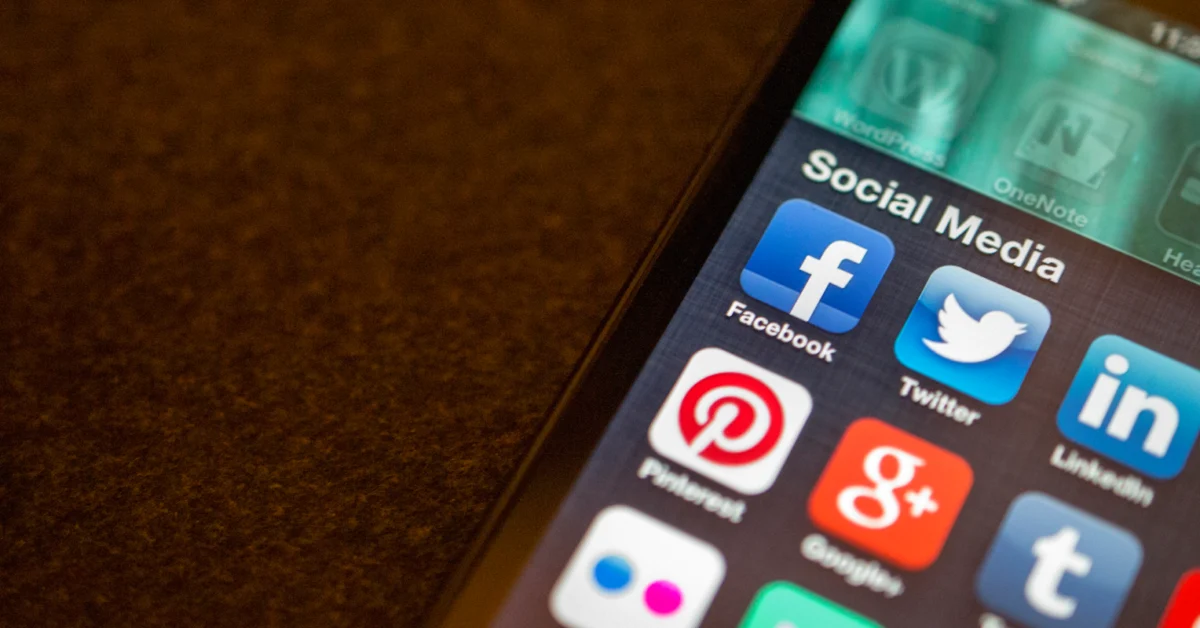
In the span of two decades, social media has evolved from a niche digital experiment into the central nervous system of modern human interaction. It dictates the rhythm of our professional lives, curates our social circles, and provides an incessant stream of cultural phenomena, news, and entertainment. Yet, as we become increasingly tethered to our devices, a critical question emerges: Are these platforms enhancing our human experience, or are they quietly eroding our psychological well-being?
The answer is rarely black and white. While the digital age has democratized communication, it has also introduced a complex web of psychological stressors that were previously unimaginable. To understand our relationship with social media, we must look beyond the screen and examine the intersection of human behavior, algorithmic design, and mental health.
Main Facts: The Double-Edged Sword
At its core, social media is a tool of connectivity, but it is also a powerful behavioral modifier. The primary benefit lies in its ability to bridge physical distances, allowing for the rapid exchange of ideas and the formation of niche communities. Whether it is a support group for a rare medical condition or a forum for hobbyists, these platforms facilitate a sense of "belonging" that is essential for psychological health.
Conversely, the "bad" is deeply rooted in the structural design of these platforms. Algorithms are engineered to maximize engagement, often by prioritizing sensationalism, triggering emotional responses, or creating echo chambers. When combined with the human tendency toward social comparison, these platforms can create a feedback loop that fuels anxiety, depression, and a distorted sense of reality.
A Chronological Evolution of Digital Interaction
To understand where we are, we must look at how we arrived here.
The Early Era: The Promise of Connection (2004–2010)
When platforms like Facebook and early microblogging sites emerged, the prevailing narrative was one of optimism. The primary goal was to connect "real-world" friends and bridge geographical gaps. During this phase, usage was largely desktop-based, limiting the "always-on" nature of modern consumption.
The Mobile Shift and the "Attention Economy" (2010–2016)
The proliferation of the smartphone, coupled with the rise of image-centric platforms like Instagram, shifted the landscape. Interaction moved from text-based updates to visual storytelling. This era saw the birth of the "Influencer" economy, where carefully curated, idealized representations of life became the gold standard.
The Algorithmic Era and Polarization (2016–Present)
Following the 2016 election cycle, the narrative shifted toward the darker side of platform design. Research began to highlight how algorithms, designed to feed users content that reinforces existing biases, were contributing to social fragmentation and political polarization. Simultaneously, the rise of short-form, high-velocity video content (TikTok, Reels) has introduced new challenges regarding attention spans and dopamine-driven consumption habits.
Supporting Data: What the Research Says
The scientific community has invested significant resources into quantifying the impact of social media.
- The Power of Community: A survey by the Royal Society for Public Health (RSPH) revealed that 7 out of 10 teens feel that social media provides them with emotional support during difficult times. This highlights that for many, these platforms are a digital safety net.
- The Stigma Reduction Potential: Research from the National Academies of Sciences, Engineering, and Medicine highlights the effectiveness of large-scale social media campaigns. Scotland’s "See Me" campaign is a landmark case study, showing that targeted, positive digital messaging can reduce public stigma regarding mental illness by up to 17 percent.
- The Impact on Body Image: Internal reports, most notably from Meta (Facebook/Instagram), have conceded that for a significant demographic—particularly adolescent girls—these platforms can exacerbate body dissatisfaction. Data suggests that roughly 32 percent of teen girls report that Instagram negatively impacts their perception of their own bodies.
- The Reality of Cyberbullying: The RSPH survey also provided sobering data: 70 percent of young users have encountered cyberbullying, with 37 percent reporting that the harassment was frequent and sustained. The correlation between this persistent digital abuse and increased rates of depression and PTSD symptoms among youth is now a primary focus of mental health professionals.
Official Responses and Regulatory Implications
Governments and mental health organizations are no longer passive observers. The global response to the "Social Media Crisis" is shifting from passive monitoring to active regulation.
Legislative Scrutiny
In the United States, members of Congress have held numerous hearings, challenging tech giants on their data-harvesting practices and the "addictive" nature of their algorithms. The focus has moved beyond privacy to the "duty of care" that platforms owe their users, particularly minors.
The Industry’s Defense
In response to mounting criticism, platforms have introduced "Well-being" features. These include time-limit reminders, the ability to hide "like" counts, and enhanced moderation tools to curb cyberbullying. However, critics argue these are superficial bandages on systemic issues, noting that these features do not fundamentally alter the underlying profit model that relies on maximum engagement.
Clinical Perspectives
Psychologists are increasingly incorporating "digital hygiene" into their treatment plans. The consensus is moving toward a "harm reduction" model—rather than demanding total abstinence, clinicians are teaching patients how to curate their feeds, recognize the triggers of comparison, and set firm boundaries around usage.
Implications for the Future
As we look toward the future, we face a fundamental question: Is it possible to have a healthy relationship with a medium that is designed to be addictive?
The Need for Digital Literacy
The implications for society are clear: we need a massive increase in digital literacy. If users are not educated on how algorithms work, they will remain subjects rather than users. Understanding that a feed is a curated reality—not a reflection of truth—is a vital psychological skill.
Redesigning the Digital Architecture
There is growing pressure to move away from engagement-based algorithms. Some experts propose "chronological-first" feeds or the removal of "vanity metrics" (likes and follower counts) as a way to reduce the pressure of social comparison. Whether these platforms will voluntarily adopt these changes—given the threat to their advertising revenue—remains the central conflict of the next decade.
Personal Autonomy and Responsibility
Ultimately, the most significant implication is the shift in personal responsibility. While the platforms bear blame for their design, the individual holds the power of the "off" switch. The ability to recognize when a platform is causing distress and the agency to step away is perhaps the most important skill of the 21st century.
Conclusion: Finding the Middle Path
Social media is a mirror, not a monolith. It reflects our deepest desires for connection and our most painful insecurities. It has the power to destroy the self-esteem of a teenager or to save the life of someone suffering in isolation.
The path forward is not found in the binary choice between total engagement and total rejection. Instead, it lies in the intentional, moderate, and informed use of these tools. We must recognize that while we cannot control the algorithms that dominate our screens, we maintain absolute control over our attention. By treating our digital time as a finite and precious resource, we can preserve our mental peace in an increasingly noisy world.
The digital age is here to stay; the challenge now is to ensure that we are using the tools, rather than allowing the tools to use us.