










In the hyper-connected era of the 2020s, the smartphone has transitioned from a tool of convenience to an extension of the human self. However, as reliance on these handheld devices reaches an all-time high, clinicians and researchers have begun to document a distinct set of physical symptoms associated with prolonged usage. According to peer-reviewed literature published between 2018 and 2025, the human body is signaling a need for ergonomic intervention.
Recent reports, including a synthesis of findings published in September 2026, highlight that while these symptoms—ranging from neck tension and thumb inflammation to disrupted sleep—are pervasive, they are not an unavoidable consequence of modern life. Rather, they are manifestations of repetitive strain, treatable through mechanical adjustments and behavioral shifts.
Main Facts: A New Era of Repetitive Strain
The clinical consensus emerging from journals such as Work, the Brazilian Journal of Physical Therapy, and the Indian Journal of Orthopaedics suggests that the "digital epidemic" is less about the devices themselves and more about the posture and duration of their use. The most frequently documented physical signs include:
- Cervical and Thoracic Tension: Often dubbed "text neck," the forward-flexed posture required to view a smartphone shifts the mechanical burden of the head onto the upper trapezius and neck extensors.
- De Quervain’s Tenosynovitis: The repetitive motion of unlocking, scrolling, and tapping puts significant stress on the thumb’s tendon compartment.
- Ocular Fatigue: A suppressed blink reflex during screen time leads to chronic dry eyes and potential long-term vision issues.
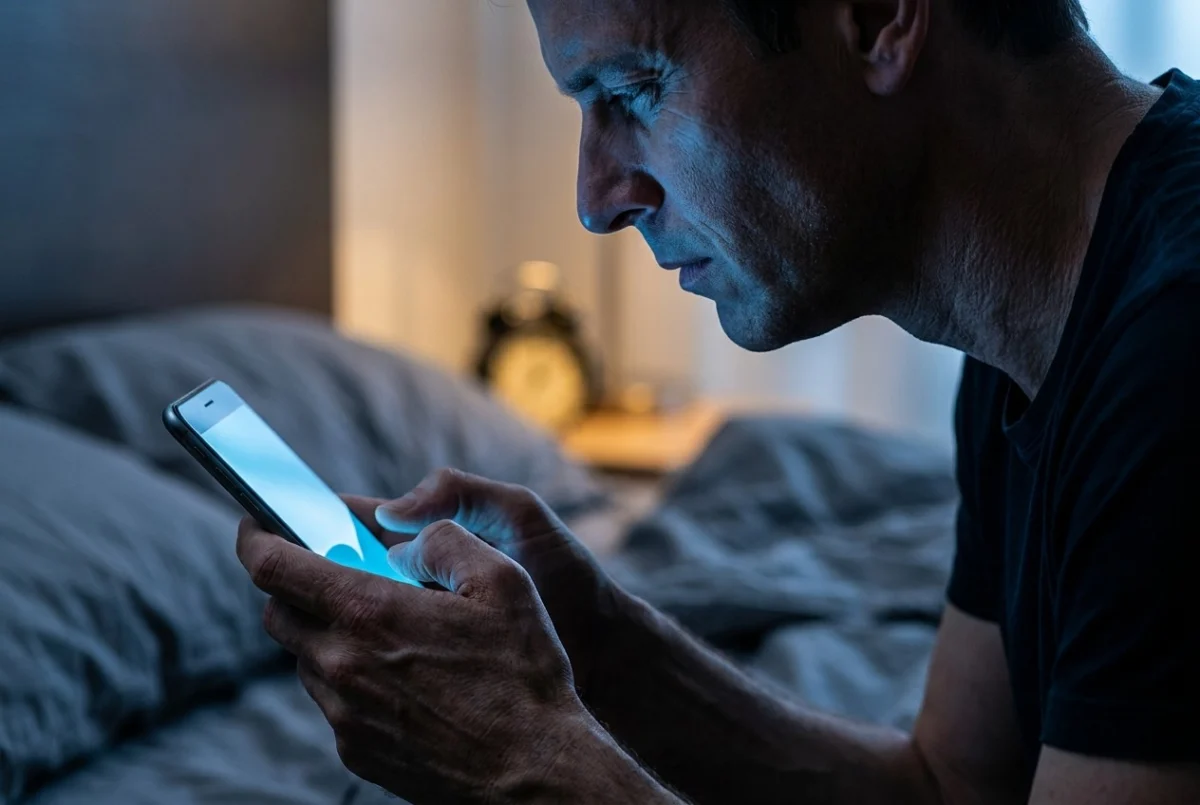
- Circadian Disruption: The physiological impact of blue light exposure on melatonin production is effectively shifting the biological clocks of millions.
Chronology of Clinical Awareness
The medical community’s awareness of "smartphone-induced pathology" has evolved significantly over the last decade.
- 2018–2020: Initial Observations. Early studies began to draw parallels between prolonged screen exposure and musculoskeletal discomfort. Researchers started identifying the "text neck" phenomenon, noting that the sheer weight of the head—when tilted forward—exerts pressure on the spine equivalent to carrying significant weight.
- 2021–2023: The Data Accumulation. As smartphone screen time surged globally, larger-scale studies were launched. Harvard researchers, among others, began isolating the specific impact of blue light on the human circadian rhythm, providing the first hard data on how late-night usage effectively "jets" the body across time zones.
- 2024–2025: Longitudinal Insights. The publication of long-term studies, such as the 12-month longitudinal study of 457 adults in the Brazilian Journal of Physical Therapy, provided nuance. Researchers discovered that while posture is a factor, systemic factors like sleep quality and general physical activity were stronger predictors of long-term pain.
- 2026: The Synthesis. A comprehensive review published in September 2026 consolidated these findings, shifting the narrative from "phones are dangerous" to "phones require better ergonomics."
Supporting Data: The Mechanics of the Body
The physical impact of smartphone usage is supported by a growing body of quantitative research.
The Burden of the Cervical Spine
The human head is a heavy object, typically weighing 10 to 12 pounds. When held in a neutral position, the neck muscles manage this weight easily. However, as Dr. Mercola and other experts have noted, tilting the head forward to view a screen can increase the force on the cervical spine by as much as 60 pounds—a burden equivalent to carrying four adult-sized bowling balls.
The "Thumb Marathon"
A striking analysis by the UK-based marketing agency ilk suggests that the average user’s thumb travels the equivalent of two marathons annually just by scrolling through social media feeds. This repetitive, micro-movement is a primary driver of inflammation at the base of the thumb. Clinical exams, such as the Finkelstein test, are now seeing higher positivity rates among young adults, with nearly one-third of participants in a 2025 study showing signs of tendon irritation.
Ocular Suppression
The eyes are not designed for the sustained focal distance of a smartphone. Studies in the journal Eye found that the blink rate drops dramatically during digital activity—from a healthy 20.8 blinks per minute to just 8.9 blinks per minute within the first sixty seconds of use. This reduction in the "tear film" spread leads to the gritty, burning sensation common among heavy users.
Official Responses and Expert Recommendations
The consensus among occupational therapists and medical professionals is not to abandon technology, but to implement "mechanical corrections."
Ergonomic Adjustments
Karen Jacobs, a clinical professor of occupational therapy at Boston University, advocates for a strategic approach: handheld devices should serve as a complement to larger screens, not as a replacement for them. To mitigate physical strain, experts recommend:
- Elevation: Bring the device to eye level rather than dropping the head to the device.
- The 20-20-20 Rule: To combat eye strain, users should look at an object 20 feet away for 20 seconds every 20 minutes to reset the blink reflex and focal muscles.
- Neutrality: Maintain a neutral wrist position while scrolling and alternate the fingers used for input to distribute the load across different tendons.
Circadian Hygiene
The disruption caused by blue light is a matter of biology, not willpower. Harvard research indicates that blue light suppresses melatonin for twice as long as green light of equal intensity. To mitigate this, physicians recommend:
- The Three-Hour Rule: Ceasing the use of bright screens two to three hours before sleep.
- Blue-Light Filters: Utilizing software-based filters if late-night usage is unavoidable.
- Environmental Awareness: Recognizing that using a phone at 1:00 a.m. creates a physiological state akin to traveling across multiple time zones, resulting in cumulative sleep debt.
Implications: The Future of Digital Wellness
The medical literature suggests that the physical symptoms associated with smartphone use are not permanent conditions, but rather warning signs of improper use. The "verdict" on modern technology is not that it is inherently harmful, but that it has outpaced our natural ergonomic adaptations.
The implications are clear: society must transition toward a more "ergonomically literate" culture. This includes workplace policies that encourage regular breaks, educational initiatives that teach proper device posture to children, and a greater emphasis on physical activity as a buffer against sedentary, screen-based behaviors.
The 2025 study in the Brazilian Journal of Physical Therapy provided perhaps the most optimistic insight of all: the strongest predictors of long-term neck pain were not the specific angles at which people held their phones, but their underlying sleep quality and their level of daily physical activity. By improving these two pillars—sleep hygiene and movement—users can effectively neutralize the negative effects of the digital tools they rely on.
Ultimately, the smartphone is a tool. Whether it becomes a source of chronic strain or remains a seamless extension of our professional and personal lives depends on the user’s ability to recognize the body’s early signals. By treating the symptoms as cues for adjustment—changing the posture, modifying the screen distance, or respecting the body’s circadian rhythm—users can navigate the digital age without compromising their physical health. The path forward is not a retreat into an analog past, but an intentional, ergonomic evolution into the digital future.