







In a seismic shift for the healthcare and pharmaceutical industries, the U.S. Department of Justice (DOJ) has issued a clear, uncompromising warning: the era of unchecked corporate malfeasance is ending. Citing the infamous collapse of Theranos as a cautionary archetype, federal prosecutors are signaling a new, aggressive phase in their crusade against white-collar crime. Under the Trump administration’s current mandate, the DOJ is not merely tightening oversight—it is fundamentally re-engineering the infrastructure of how corporate fraud is reported, investigated, and prosecuted.
The central pillar of this new strategy is the consolidation of federal investigative power. By streamlining the self-disclosure process and weaponizing advanced data analytics, the DOJ aims to strip away the obfuscation that has historically allowed healthcare providers and tech firms to hide illicit activities in the shadows of complex regulatory bureaucracy.
The Evolution of Federal Oversight: A Chronology of Intensified Scrutiny
To understand the weight of these changes, one must look at the recent timeline of federal enforcement. For decades, healthcare fraud investigation was a fragmented landscape, often requiring companies to navigate separate, labyrinthine channels at both the Department of Justice and the Department of Health and Human Services (HHS).
- Pre-2024: The "Silo Era." Companies faced redundant reporting requirements and often struggled to determine which agency held jurisdiction over specific compliance failures, leading to delayed remediations and inconsistent legal outcomes.
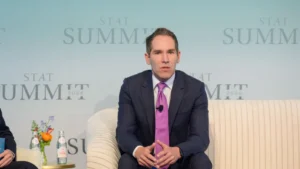
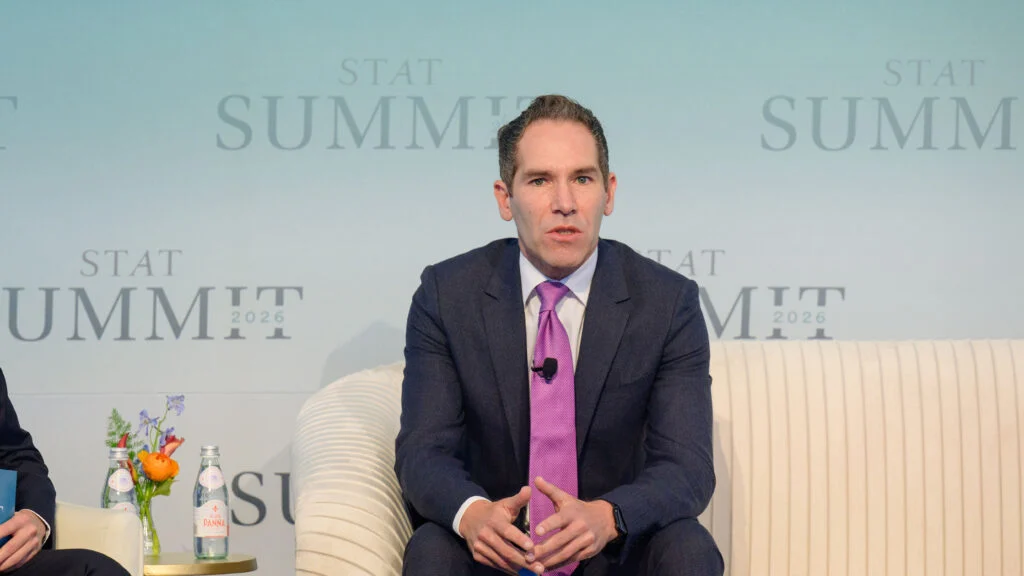
- October 2026: The Turning Point. In a series of announcements at the STAT Summit in Boston, Deputy Assistant Attorney General Jacob Foster, who oversees the National Fraud Enforcement division, unveiled a consolidated policy. The DOJ formally centralized the health care fraud reporting mechanism, effectively creating a "one-stop shop" for self-disclosure.
- October 2026 (Concurrent): Assistant Attorney General Colin M. McDonald issued a pivotal memo outlining the DOJ’s updated enforcement priorities, which explicitly categorized pharmaceutical companies and digital health startups as primary targets for rigorous investigation.
- Late 2026 to Present: The implementation of AI-driven surveillance. The DOJ began integrating proprietary artificial intelligence algorithms designed to flag anomalies in billing, patient records, and diagnostic patterns across state lines.
The "One-Stop Shop": Streamlining Corporate Compliance
The most significant operational change for healthcare executives is the consolidation of voluntary self-disclosure processes. Previously, a firm seeking to report criminal misconduct had to juggle the differing requirements of the DOJ and the Office of Inspector General (OIG) at HHS. This lack of coordination often served as a deterrent for companies wishing to come clean.
"What do you do? Who do you call? That is a question that industry should not have to ask," Foster stated during his address in Boston. Under the new framework, the DOJ acts as the primary point of entry. By reporting to this centralized authority, companies can now resolve potential criminal misconduct with both agencies simultaneously.
The primary incentive for this cooperation is the mitigation of risk. By self-disclosing, firms can qualify for a capped financial penalty structure, effectively limiting the scope of damages. Foster emphasized that the DOJ is fundamentally interested in the remediation of failure. "There’s nothing more that we want to know when a compliance failure occurs than to hear about the great efforts to remediate it, and reward that," he noted.
Supporting Data and Technical Enforcement: The AI Advantage
The DOJ’s new investigative capacity is underpinned by a significant investment in data science. The health care fraud section is moving away from reactive, whistleblower-dependent models toward a proactive, data-led surveillance system.
The new algorithms focus on identifying "red flags" that indicate systemic fraud rather than isolated errors. Key areas of focus include:
- Billing Irregularities: Identifying providers who consistently bill for services that are medically unnecessary or never rendered.
- Fabricated Records: Using predictive modeling to find digital patterns that suggest patient records have been manufactured or retroactively altered.
- Redundant Diagnostics: In the burgeoning field of digital health, the DOJ is specifically hunting for tech platforms that automatically generate redundant or "upcoded" diagnoses to inflate Medicare and Medicaid reimbursements.
Furthermore, investigators are now trained to synthesize data from unconventional sources. The DOJ is actively monitoring social media, trade publications, and localized news reports to identify early warning signs of corporate wrongdoing. This multi-modal approach ensures that even if a company manages to obscure its internal data, the external footprint of its activity remains under scrutiny.
The Whistleblower Incentivization Program
While corporate self-disclosure is encouraged, the DOJ is simultaneously strengthening its partnership with private whistleblowers. The October memo from Assistant Attorney General Colin M. McDonald underscores the department’s commitment to "appropriately incentivize" those within the industry who come forward with credible evidence of wrongdoing.
This is a strategic pivot. By increasing the potential rewards for whistleblowers, the DOJ creates a "trust deficit" within the executive suites of fraudulent firms. When a CEO or CFO knows that any one of their subordinates could be motivated to report a scheme, the incentive for maintaining silence decreases dramatically. The DOJ’s guidance suggests that the department will protect these individuals, ensuring their contributions remain a core pillar of the government’s investigative arsenal.
Implications for Healthcare Executives
The new guidelines published by the DOJ provide a clear rubric for how prosecutors will weigh their enforcement decisions. Prosecutors are instructed to place "great weight" on several aggravating factors that could lead to severe criminal charges:
- Knowledge and Concealment: If corporate executives were aware of the fraud and took active steps to hide it, the DOJ will treat the matter as a high-priority criminal case rather than a civil compliance issue.
- Scale and Scope: Schemes that operate across state lines or have persisted for more than three years are subject to the highest level of scrutiny.
- Systemic Impact: The DOJ is particularly focused on cases that impact taxpayer-funded trust funds.
Foster’s message was blunt: "No one, irrespective of party, likes the government being ripped off by wrongdoers. These cases not only involve the theft of all of our tax dollars, [but] involve the theft from a program—Medicare—that could run out."
The "Theranos" Effect: A New Cultural Norm
The reference to Theranos is not merely rhetorical. It represents a shift in the DOJ’s perception of "innovation." For years, the health tech sector operated under a "move fast and break things" ethos, often bypassing the rigorous validation required by federal health regulations. The DOJ is now signaling that in the realm of human health, "breaking things" is not an acceptable byproduct of business growth.
For the C-suite, the implications are profound. The cost of compliance is no longer just a line item in an annual budget; it is an existential requirement. With the federal government now utilizing AI to scan for anomalies and a streamlined reporting process that leaves little room for ambiguity, the "ignorance defense" is effectively dead.
As the DOJ continues to roll out its new programs, the industry should expect to see an uptick in both voluntary disclosures and high-profile prosecutions. The department is not looking to put the entire healthcare industry out of business; rather, it is attempting to purge the system of bad actors who threaten the fiscal sustainability of Medicare and Medicaid.
In conclusion, the message from the National Fraud Enforcement division is clear: Transparency is the only viable long-term strategy. For healthcare executives, the time for "wait and see" has passed. The new infrastructure is in place, the algorithms are running, and the threshold for federal intervention has never been lower. Those who choose to operate within the lines will find a streamlined path to compliance, while those who attempt to replicate the hubris of past corporate scandals will likely find themselves facing the full, consolidated weight of the U.S. Department of Justice.