









For decades, the medical device industry has operated under a rigid paradigm: the assumption that mass production and true, individual personalization are fundamentally incompatible. For patients suffering from obstructive sleep apnea (OSA) and other respiratory conditions, this meant settling for a "best-fit" scenario—choosing from a limited array of generic mask sizes that rarely aligned perfectly with the complex, unique topography of the human face.
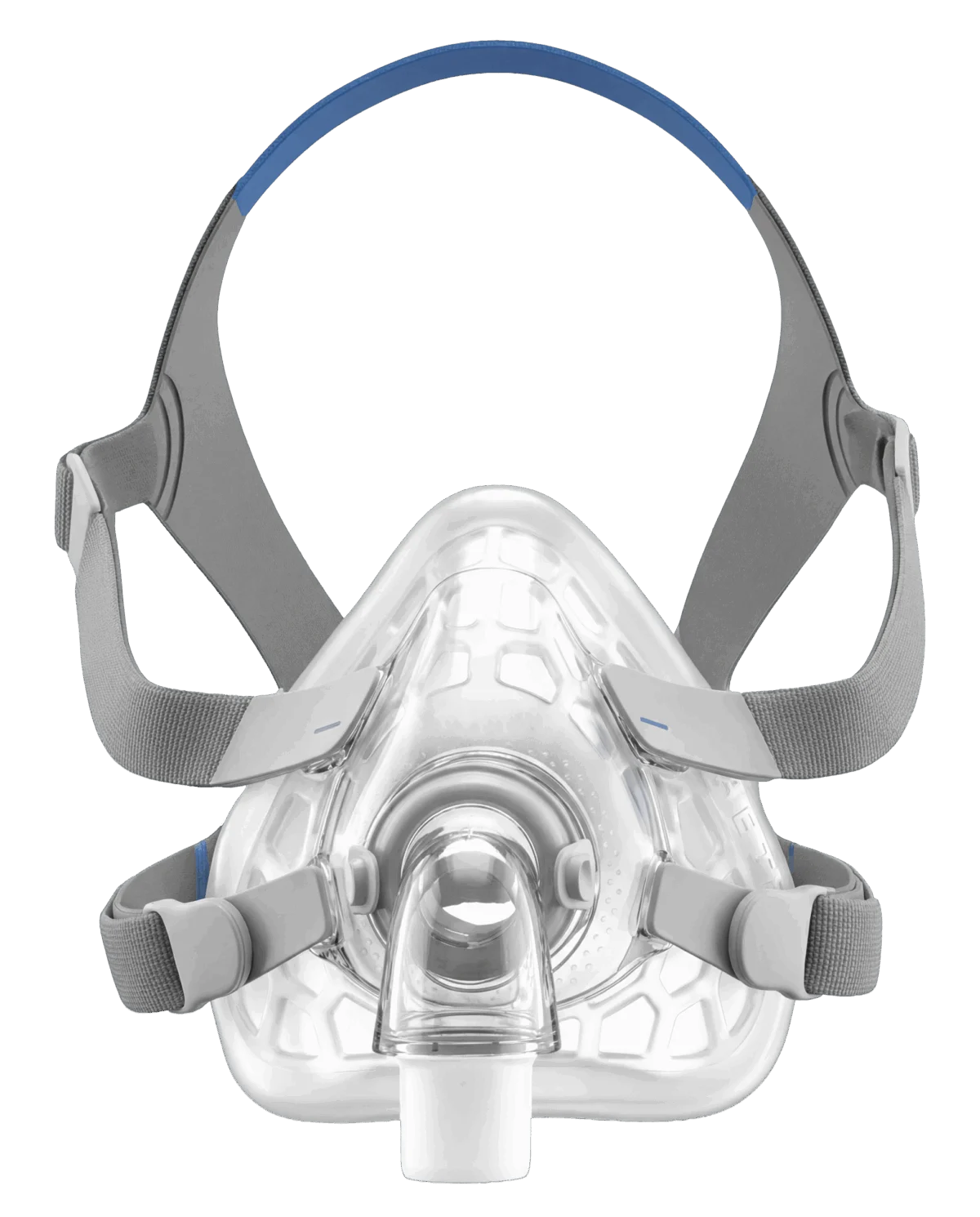
That era is now coming to an end. Vitacore, a leader in Canadian medical manufacturing, has officially received a Medical Device Licence from Health Canada for "FormFit," a groundbreaking, fully custom-fit, medical-grade silicone CPAP mask. By marrying advanced smartphone-based 3D scanning with proprietary automated design, Vitacore has effectively shattered the industry standard, proving that hyper-personalized medical equipment can be produced at scale.
The Core Innovation: Bridging Digital Topography and Clinical Comfort
The FormFit system is not merely a new product; it is a platform that shifts the medical device manufacturing model from "off-the-shelf" to "built-for-you." The process begins with a patient-friendly smartphone facial scan. Using sophisticated software, this scan captures a high-resolution 3D facial model, mapping every contour, prominence, and indentation of the patient’s face.
Once the digital scan is complete, Vitacore’s proprietary design engine takes over. It translates this raw facial topography into a bespoke mask design, automatically optimizing four critical metrics: seal geometry, contact-pressure distribution, structural integrity, and airflow dynamics. The result is a mask that fits like a second skin, eliminating the common pitfalls of CPAP therapy.
Because the mask is specifically engineered to the individual’s anatomy, it significantly reduces air leaks—a primary cause of therapy failure—minimizes noise, and, perhaps most importantly for patient compliance, eliminates the painful facial pressure marks caused by over-tightening generic straps.
Chronology of a Paradigm Shift
The development of FormFit represents the culmination of years of engineering at the intersection of AI, material science, and healthcare.
- Initial Research & Development: Recognizing that patient non-compliance is the "Achilles’ heel" of CPAP therapy, Vitacore identified facial discomfort and leakage as the primary barriers. The company pivoted toward a digital-first approach to anatomy.
- Technological Integration: The team integrated mobile-based facial recognition technology, common in modern consumer electronics, and adapted it for high-precision clinical use.
- Regulatory Milestones: Following rigorous testing to ensure the structural integrity of the silicone and the efficacy of the automated design algorithms, Vitacore engaged with Health Canada.
- The Approval: Health Canada granted the Medical Device Licence, validating that FormFit meets the stringent safety and efficacy standards required for medical-grade respiratory equipment.
- Current State: As of mid-2024, the product is available in Canada. Vitacore has confirmed that it is currently in the preparatory stages of submitting the technology to the US Food and Drug Administration (FDA) for approval, signaling an intent to expand this personalization model to the global market.
Supporting Data and Technical Specifications
The necessity for such innovation is backed by substantial clinical data regarding CPAP non-compliance. Studies have consistently shown that between 30% and 50% of patients struggle with CPAP adherence, often citing mask discomfort, skin irritation, and the sensation of "mask claustrophobia" as their primary reasons for abandoning treatment.
FormFit addresses these issues through precise material engineering. The masks are manufactured at Vitacore’s ISO 13485 certified facility in Port Coquitlam, British Columbia. ISO 13485 certification is the gold standard for medical device manufacturers, ensuring that the company has a comprehensive management system for the design and manufacture of medical devices.
The mask is compatible with all standard CPAP, APAP, and BiPAP therapy devices, making it a drop-in replacement for existing setups. By distributing contact pressure evenly across the face, rather than concentrating it on the bridge of the nose or the cheeks, FormFit aims to increase the "Time on Therapy" metric, which is the single greatest predictor of positive health outcomes in sleep apnea patients.
Official Responses and Strategic Vision
Mikhail Moore, president of Vitacore, has been vocal about the systemic failures of the current market. In a recent press release, Moore articulated the vision behind the platform, framing FormFit as a blueprint for the future of medicine.
"One of the fundamental problems in CPAP therapy is that we’ve been trying to fit an extremely diverse range of facial shapes into a small number of generic mask designs," Moore stated. "The medical device industry has long assumed that mass production and true personalization are incompatible. FormFit proves they are not."

Moore emphasizes that the goal was to remove the "compromise" from medical treatment. "We’ve built a platform that translates each patient’s unique anatomy into a manufactured, medical-grade product with no compromises, no generic shells, no ‘best available size.’ FormFit is the first product on this platform, and I believe it represents the future of how personalized medical devices will be designed and built."
By framing FormFit as a "platform" rather than just a "product," Moore hints at a broader strategy: applying the same scan-to-manufacture workflow to other medical devices that require a close interface with human anatomy, such as orthotics, prosthetics, or other wearable medical sensors.
The Broader Implications for Healthcare
The launch of FormFit holds profound implications for both patients and the healthcare system at large.
1. The Rise of "Mass Personalization"
FormFit serves as a proof-of-concept for "Mass Personalization." By using digital automation to handle the design phase, manufacturers can bypass the high costs typically associated with custom manufacturing. This allows high-quality, bespoke care to be delivered at a price point and speed that makes it viable for the general population, not just a luxury service.
2. Improving Therapeutic Adherence
In the context of sleep medicine, adherence is everything. Patients who consistently use their CPAP machines see improvements in hypertension, daytime fatigue, and cognitive function. Conversely, those who struggle with mask fit often abandon therapy, leaving their sleep apnea untreated. By removing the physical barriers to comfort, FormFit has the potential to improve long-term health outcomes for thousands of patients who previously felt that CPAP was simply "not for them."
3. Digital Transformation of Clinical Workflow
The integration of smartphone scanning into the clinical pathway reduces the time-consuming process of manual fitting. Sleep clinics can potentially move toward remote fitting, allowing patients to provide accurate data from the comfort of their own homes. This reduces the administrative burden on clinicians and empowers patients to take a more active, tech-enabled role in their own care.
4. Supply Chain Resilience
By maintaining manufacturing in an ISO 13485 certified facility in Canada, Vitacore is highlighting the importance of domestic medical manufacturing. As global supply chains face increasing volatility, the ability to rapidly produce and ship personalized devices from a local, regulated facility provides a level of stability that imported, generic mass-market goods often lack.
Conclusion: A New Standard for Patient Care
The medical device industry is at an inflection point. As artificial intelligence and 3D modeling continue to evolve, the expectation for personalized care will move from a "nice-to-have" to a "must-have." Vitacore’s FormFit is not just a mask; it is a signal that the technology exists to treat every patient as an individual rather than a statistic.
As Vitacore prepares to move into the US market and potentially other international territories, the industry will be watching closely. If FormFit achieves widespread adoption, it will likely force competitors to abandon their generic sizing charts in favor of digital, patient-specific solutions.
For the patient struggling to find comfort in a world of one-size-fits-all, the message is clear: the future of your sleep, and your health, is finally being custom-made.