









In a significant clash of scientific opinion, researchers at the Harvard T.H. Chan School of Public Health have publicly challenged the World Health Organization’s (WHO) latest dietary guidelines. While the WHO’s updated recommendations regarding carbohydrates and specific types of fats—such as saturated and trans fats—have been largely welcomed by the scientific community, a specific directive to limit total fat intake to 30% or less of daily caloric intake has drawn sharp criticism. Harvard experts argue that this specific ceiling is not only unsupported by modern, robust clinical evidence but could potentially lead the public toward unhealthier dietary patterns.
Main Facts: The Core of the Disagreement
The WHO’s July 2023 update aimed to provide a global framework for healthy eating. The guidelines emphasize the importance of shifting consumption away from harmful fats and refined carbohydrates. However, the recommendation to restrict total fat to 30% of total energy intake remains a contentious point.
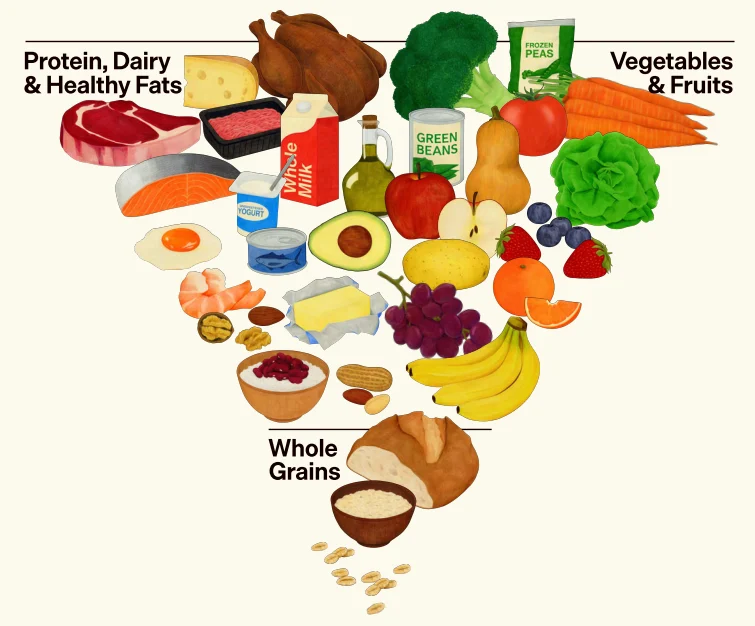
Harvard’s Department of Nutrition asserts that this "total fat" limit is an outdated relic of 20th-century nutritional science. The core of the argument is that the quality of fat is far more important than the quantity. By focusing on a blanket percentage, the WHO risks stigmatizing healthy, fat-rich foods like nuts, avocados, olive oil, and fatty fish—staples of the Mediterranean diet that are clinically proven to improve heart health and metabolic outcomes.
Chronology: The Evolution of Dietary Fat Guidance
To understand the gravity of this disagreement, one must look at the historical trajectory of nutrition science:
- 1970s–1980s: Nutrition policy in the United States and abroad was dominated by the "low-fat" craze. Based on early, often observational studies, experts suggested that fat—regardless of type—was the primary driver of obesity and cardiovascular disease.
- 1990s–2000s: As the low-fat movement gained traction, food manufacturers flooded the market with "low-fat" products. These were often packed with refined sugars and processed carbohydrates to maintain palatability, inadvertently contributing to the global diabetes and obesity epidemics.
- 2013–2018: Landmark studies, most notably the PREDIMED (Prevención con Dieta Mediterránea) trials, began to dismantle the low-fat orthodoxy. These trials demonstrated that diets higher in healthy, unsaturated fats were superior to low-fat diets in preventing major cardiovascular events.
- July 2023: The World Health Organization releases its updated guidelines, maintaining the 30% total fat cap.
- Post-July 2023: Harvard nutrition experts publish a rebuttal, calling for a shift in focus from total fat quantity to the quality of macronutrients.
Supporting Data: Why Harvard Rejects the 30% Cap
The critique leveled by Harvard experts, led by Dr. Walter Willett, Professor of Epidemiology and Nutrition, is rooted in a rigorous review of clinical literature. The disagreement centers on two primary scientific flaws identified in the WHO’s supporting meta-analyses.
1. The Quality of Evidence
Harvard researchers note that the WHO’s recommendation relies heavily on a meta-analysis that, in their view, is deeply flawed. The included studies often did not utilize "weight change" as a primary outcome. Furthermore, many of the participants in these studies were already suffering from chronic conditions such as cancer or diabetes, making it difficult to extrapolate the findings to the general, healthy population.
2. The "Intervention Bias"
A significant issue identified by the Harvard team is the methodology used in the cited trials. In many of the studies supporting the WHO’s stance, the "low-fat" intervention group received intensive counseling, monitoring, and regular check-ins. In contrast, the control groups often received no such attention. In behavioral science, this is known as the "Hawthorne Effect"—the idea that people modify their behavior simply because they are being observed. The weight loss observed in these studies, therefore, may have been a result of the extra support and attention rather than the reduction in fat itself.
3. The PREDIMED Evidence
The PREDIMED trials serve as the gold standard for why the 30% cap is misleading. In these trials, participants on a Mediterranean diet—consuming 39% to 42% of their calories from fat—showed significantly lower risks of type 2 diabetes and cardiovascular disease compared to those on a low-fat diet. By prioritizing healthy, unsaturated fats, these individuals achieved better health outcomes than those who restricted fat intake.
Official Responses and Scientific Critique
Dr. Walter Willett has been vocal in his critique of the WHO report. "The new WHO recommendation that intake of total fat be limited to 30% of calories is narrowly based on one deeply flawed meta-analysis of weight gain," Willett stated. "This ignores the last several decades of research on dietary fat and excludes the traditional Mediterranean diet."
The Harvard team argues that the WHO report failed to perform a comprehensive assembly of randomized controlled trials. Instead, it relied on selective studies that do not account for the complex interplay between fat intake and metabolic health. Dr. Willett further noted that, even if the WHO’s meta-analysis were accepted at face value, the difference in weight loss between the high-fat and low-fat groups was statistically trivial—often amounting to less than one kilogram. To set global policy based on such a marginal difference, he argues, is a disservice to public health.
Implications: The Risks of Misguided Policy
The implications of the WHO’s 30% recommendation are not merely academic; they have real-world consequences for global nutrition policy.
The Carbohydrate Trap
Perhaps the most significant danger of a strict "low-fat" focus is the unintended substitution effect. When individuals are told to limit their fat intake, they often replace those calories with carbohydrates. If these are not complex, fiber-rich carbohydrates, they are likely to be refined carbohydrates and added sugars. This substitution is well-documented to increase triglycerides and blood pressure, potentially exacerbating the very conditions the WHO aims to prevent.
Redefining "Healthy"
The Harvard researchers emphasize that the focus must move away from "total fat" and toward the "type of fat." The evidence is overwhelmingly clear: replacing saturated and trans fats with polyunsaturated and monounsaturated fats (found in plants, seeds, and fish) is beneficial for long-term health. By keeping the 30% limit in place, the WHO risks confusing the public, who may shy away from nutrient-dense foods like walnuts, olive oil, and salmon because they are "high-fat."
The Future of Dietary Guidelines
The Harvard experts suggest that the WHO’s guidelines are a missed opportunity to modernize public health messaging. Instead of an arbitrary percentage, they recommend a focus on:
- Plant-based sources of fat: Encouraging the consumption of whole foods that naturally contain healthy fats.
- The total dietary pattern: Encouraging the Mediterranean or similar dietary models that emphasize whole grains, vegetables, and healthy fats, rather than focusing on a single macronutrient percentage.
- Evidence-based updates: Ensuring that future guidelines are based on randomized controlled trials that prioritize healthy populations and long-term, hard health outcomes rather than short-term, small-scale weight fluctuations.
Conclusion
The tension between the WHO and Harvard’s Department of Nutrition highlights a critical crossroads in public health. As science advances, old dogmas must be scrutinized against new evidence. The Harvard experts make a compelling case that the 30% fat limit is not only biologically unnecessary for the majority of the population but potentially counterproductive to the goal of reducing chronic disease.
For the average consumer, the message is clear: do not fear fat, provided it comes from healthy, whole-food sources. While the WHO’s guidance on other fronts remains a vital tool for public health, the "total fat" cap is a reminder that even the most prestigious organizations must continue to evolve their recommendations as the global body of nutritional science grows. As the debate continues, the scientific community must work toward a consensus that prioritizes food quality over outdated, restrictive quantity metrics.