In a landmark study published in the journal Nature in 2026, researchers have unveiled compelling evidence that dietary patterns rich in flavonoids—specifically those found in citrus fruits and apples—may act as a potent biological buffer against breast cancer. The comprehensive analysis, which tracked over 93,000 women over a decade, suggests that the synergy between specific plant compounds and individual genetic profiles could be a critical tool in preventative oncology.
Main Facts: A Decade of Data
The study followed 93,271 participants enrolled in the UK Biobank over a median period of 11.8 years. During this extensive observation window, 3,110 women received a diagnosis of breast cancer. Rather than focusing on single-nutrient supplements, researchers developed the "Flavodiet Score," a metric designed to evaluate the cumulative intake of ten flavonoid-rich food categories, including tea, red wine, berries, and citrus.
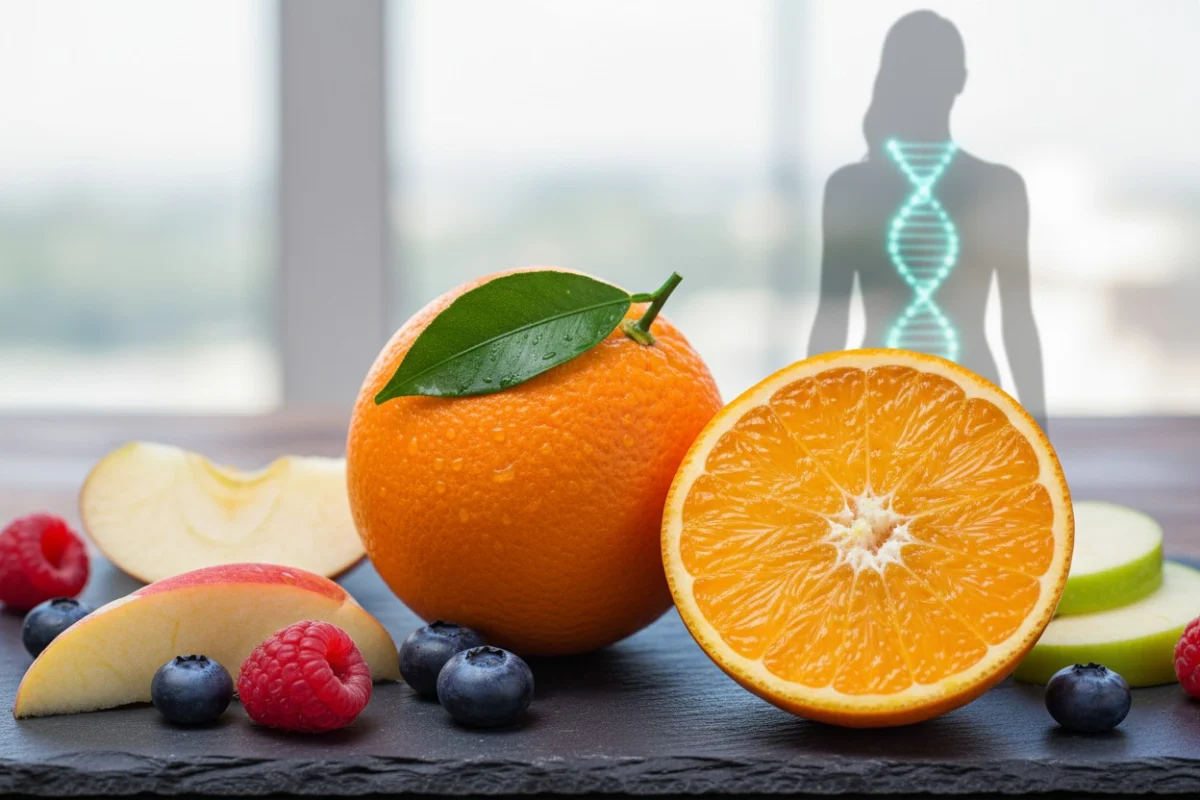
The findings were striking: women who scored in the highest tier of the Flavodiet Score demonstrated a 15 percent lower risk of developing breast cancer compared to their counterparts in the lowest tier. When narrowing the scope to individual foods, oranges emerged as a standout, associated with a 17 percent reduction in risk, while apples were linked to a 10 percent reduction. Importantly, the researchers performed a sensitivity analysis by removing red wine from the data, confirming that the protective effect remained robust and was not a byproduct of alcohol consumption.
Chronology of the Research
The journey toward these findings began with the realization that traditional nutritional science often fails to account for the "food matrix"—the idea that the interaction of multiple nutrients within a whole food is more impactful than isolated compounds.
- Initial Cohort Selection (2014-2015): The UK Biobank cohort was established, gathering detailed dietary habits, lifestyle metrics, and genetic sequencing data from hundreds of thousands of participants.
- The Development of the Flavodiet Score (2023-2024): Researchers began synthesizing the dietary data, moving away from single-nutrient analysis to create a scoring system that captured the complexity of flavonoid consumption.
- Correlation and Validation (2025): The research team cross-referenced the Flavodiet Score against incident cancer cases, adjusting for age, socioeconomic factors, and physical activity.
- Publication (2026): The findings were peer-reviewed and published in Nature, marking a shift in how oncology researchers view the intersection of genetics and nutrition.
Supporting Data: The Genetic Interaction
Perhaps the most significant revelation of the study concerns the interaction between diet and genetics. Each participant was assigned a polygenic risk score (PRS) based on 168 genetic markers previously linked to breast cancer.
As expected, women with the highest genetic risk profile were more than twice as likely to develop the disease as those with the lowest. However, the study challenged the fatalistic view that genetic destiny is unchangeable. Within the high-genetic-risk group, those who maintained high Flavodiet Scores saw their risk drop by a remarkable 29 percent. This suggests that while genetics provide the "baseline" risk, dietary interventions can act as a powerful modifier, potentially downregulating the pathways that lead to tumor development.
Specifically, the study identified proanthocyanidins—a subclass of flavonoids abundant in grapes, apples, and berries—as the most potent protective agents. This subclass appears to play a role in mitigating oxidative stress and inflammation, two hallmarks of cellular carcinogenesis.
Nutritional Composition: The "Whole Food" Advantage
The research underscores a vital distinction: the health benefits observed were tied to whole foods, not supplements. Citrus fruits are not merely "vitamin C delivery systems." They represent a complex nutritional profile that includes:
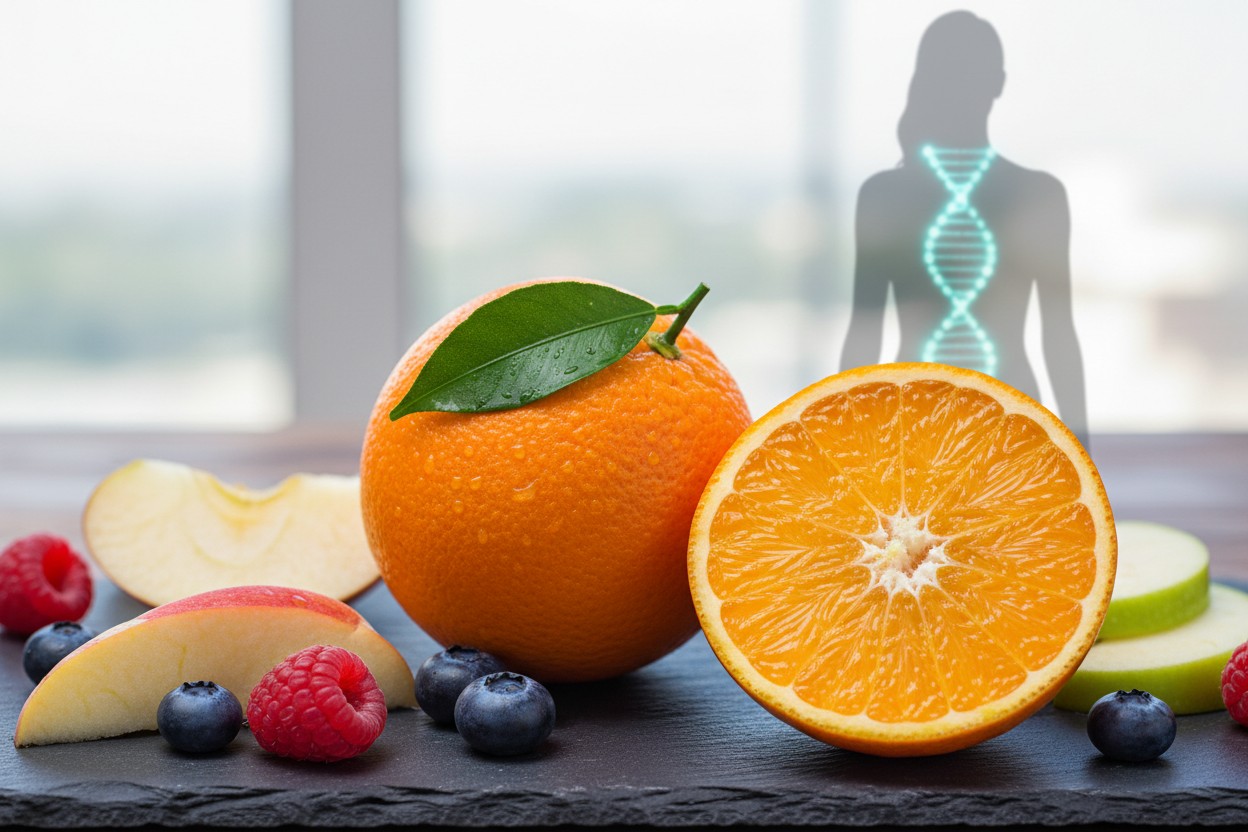
- Vitamin C and Collagen Synthesis: Essential for cellular repair and structural integrity.
- Folate and Potassium: Vital for DNA methylation and cardiovascular health, respectively.
- Pectin: A soluble fiber found in the pulp and membranes that regulates glucose absorption.
- Gut-Microbiome Support: By feeding beneficial gut bacteria, the fiber and polyphenols in citrus help lower systemic inflammation, which is increasingly identified as a driver of various cancers.
Researchers emphasize that the "pulp and membrane" factor is crucial. Juicing removes the fiber that moderates insulin spikes and sustains the gut environment, effectively stripping the fruit of its metabolic benefits. Consequently, the study concludes that a whole organic orange is vastly superior to a glass of juice or a vitamin C tablet, which lacks the synergistic co-factors found in the natural plant matrix.
Implications for Public Health and Clinical Practice
The implications of the 2026 Nature study extend far beyond the laboratory. They call into question the current standard of medical training, which critics argue is heavily weighted toward reactive treatment rather than proactive, nutrition-based prevention.
The Training Gap
Conventionally trained clinicians are often well-versed in surgery, chemotherapy, and radiation, but they frequently lack the time or curriculum to discuss how decades of accumulated inflammation—driven by poor diet—set the stage for cancer. Critics of the current medical model point out that the silence around nutrition in clinical settings is a major barrier to public health.
Programs like the "Stop Cancer Docu-Class," hosted by figures such as Jonathan Landsman, are gaining traction as they attempt to bridge this gap. These resources focus on teaching patients how to identify environmental toxins, optimize their gut health, and use food as a strategic tool to alter the biological environment in which cancer cells struggle to thrive.
Practical Dietary Shifts
The study authors propose several actionable, low-cost dietary adjustments:
- Prioritize Whole Fruit: Make a daily ritual of eating a whole orange rather than drinking juice.
- Environmental Nudging: Keep fresh fruit visible on kitchen counters. Research suggests that accessibility and visual presence are the primary drivers of consistent snacking behavior.
- Dietary Diversity: Instead of focusing on one "superfood," construct meals that combine multiple flavonoid sources. For instance, an orange-apple-onion salad provides a diverse array of flavonoids that work through different biological pathways.
- Consistency Over Intensity: The protective effects measured in the study were the result of long-term habits, not short-term dietary "fixes." Sustainability is the key to risk reduction.
Official Responses and Future Outlook
While the medical community has historically been cautious about linking diet to cancer prevention due to the complexity of the disease, the Nature study provides a level of statistical rigor that is difficult to ignore.
Health agencies are now being urged to revise their nutritional guidelines to emphasize "flavonoid-dense" dietary patterns. Furthermore, the success of the Flavodiet Score suggests that future cancer screening could include a nutritional audit, allowing doctors to offer personalized, food-based recommendations alongside traditional genetic counseling.
As we look to the future, the integration of genetics and nutrition represents the next frontier of oncology. While no dietary pattern can currently "erase" the risk posed by specific genetic markers, the 29 percent reduction in high-risk individuals demonstrates that we have more agency over our biological outcomes than previously believed. By choosing to prioritize whole, fiber-rich, and flavonoid-dense foods, women may be able to significantly shift the odds in their favor, turning the tide on breast cancer one meal at a time.
Summary of Key Findings:
- Study Scope: 93,271 women tracked for nearly 12 years.
- The Flavodiet Score: A new method for measuring cumulative flavonoid intake across ten food groups.
- Risk Reduction: A 15 percent overall risk reduction for high-scorers; up to 29 percent for those with high genetic risk.
- Top Foods: Oranges and apples showed the highest individual correlation with reduced risk.
- The "Juice Trap": Whole fruit consumption is essential to capture fiber and metabolic benefits that juice processing destroys.
- Clinical Gap: A call for more education regarding the role of diet in long-term cancer prevention.