











For many women in their late 40s and early 50s, the "brain fog" of midlife feels less like a minor inconvenience and more like a total cognitive shutdown. It is the feeling of words stuck in the "sludge" of the mind—a frustrating inability to recall proper nouns, a haze that settles over the computer screen during the workday, and an emotional volatility that feels entirely foreign.
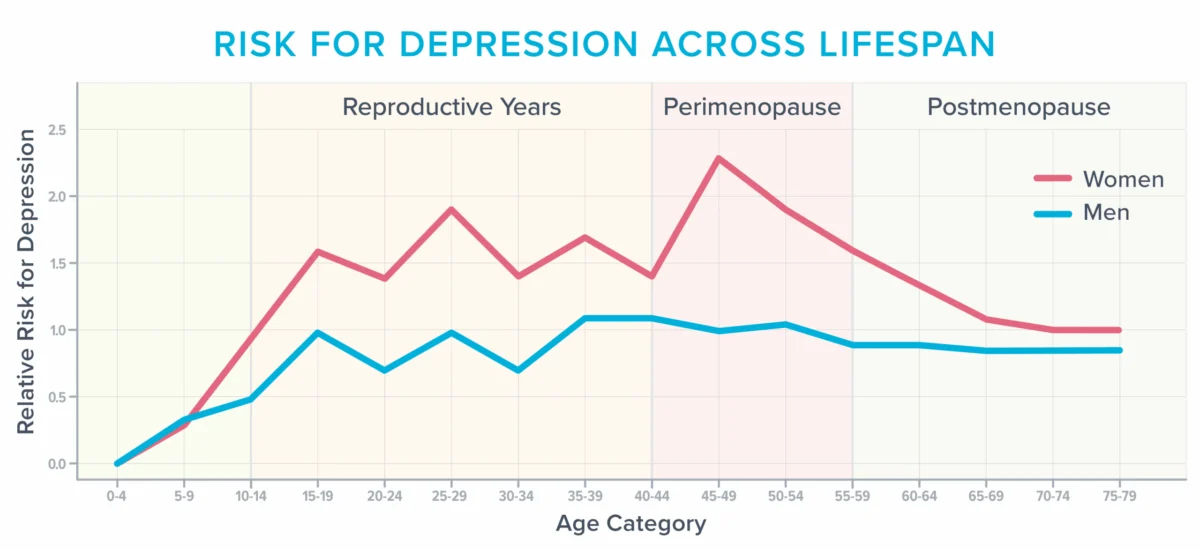
For too long, these symptoms were dismissed as simple aging or dismissed under the umbrella of depression. However, emerging research and a shift in clinical perspective are revealing a different reality: this cognitive decline is often a direct result of the hormonal transitions of menopause.
The Chronology of a Misdiagnosis
For the author of this experience, the journey began with a series of confusing, non-specific symptoms. A Friday night attempt to name a familiar restaurant turned into a strained, multi-minute exercise in futility. By day, professional output plummeted; the ability to focus on complex tasks vanished, replaced by a mental fatigue that persisted despite sleep attempts.
The search for answers led to a two-year odyssey through the medical system. Three separate healthcare professionals suggested antidepressants. Others tested for thyroid dysfunction or anemia. Supplements, "brain-boosting" coffees, and various wellness products were cycled through, yet the fog remained. The patient was, by her own account, "a zombie."
The breakthrough occurred not during a mental health evaluation, but during a routine gynecological exam. When the patient mentioned minor physical discomfort, it served as a catalyst for a broader inquiry: How is your sleep? What are your energy levels? Are you experiencing hot flashes?
The realization was immediate: the patient was not suffering from clinical depression. She was experiencing the symptomatic profile of menopause. With the initiation of estradiol and progesterone therapy, the "switch" flipped. Within days, cognitive function returned, sleep normalized, and the haze lifted.
Supporting Data: The Science of Vasomotor Symptoms
Menopause is not a disease; it is a profound physiological transition. Yet, the symptoms that accompany it—specifically vasomotor symptoms (VMS) like hot flashes and night sweats—are increasingly viewed as a legitimate medical condition with systemic impacts.
Data from the American College of Obstetricians and Gynecologists indicates that nearly 40 percent of women report significant irritability, mood swings, and cognitive trouble during the menopausal transition. A crucial piece of the puzzle lies in the anatomy of the hot flash. During these episodes, the body experiences a spike in norepinephrine and cortisol, causing blood vessels to dilate and heart rates to surge.
Recent studies, such as one involving 226 women monitored via MRI and wearable technology, have identified a correlation between the frequency of hot flashes and the presence of "whole-brain white matter intensities." While once dismissed as age-related, these brain lesions are now recognized by neuroscientists as predictive of future cognitive decline, including increased risks for stroke and dementia.

Furthermore, sleep disruption caused by night sweats—even when the woman does not wake up "drenched"—keeps the brain in a state of constant, fragmented recovery. This prevents the hippocampus from consolidating memories and keeps the amygdala in a state of hyper-reactivity, explaining the sudden bouts of rage, anxiety, and emotional sensitivity.
Official Responses and the "Defensive Medicine" Problem
Despite the clear links between hormonal shifts and cognitive health, there remains a systemic barrier to effective treatment. Surveys show that 80 percent of medical residents feel "barely comfortable" discussing menopause, and few residency programs provide specialized training in the area.
Dr. Jerrold H. Weinberg, a menopause-trained gynecologist, notes that many practitioners practice "defensive medicine." Driven by fears of litigation stemming from older, misinterpreted studies on hormone replacement therapy (HRT), doctors often steer patients toward antidepressants or suggest that symptoms are "just part of life."
However, the consensus among leading experts is shifting. Current research suggests that for women under 60 who are within ten years of the onset of menopause, the benefits of hormone therapy—including the protection of bone density and reduced risks of Alzheimer’s disease—significantly outweigh the risks.
Strategies for Advocacy and Recovery
Navigating this landscape requires a proactive approach. Patients are encouraged to move beyond vague complaints and utilize "shared decision-making" with their providers.
Advocacy Steps:
- Seek Specialists: Look for practitioners certified by the Menopause Society or those who list menopause as a specific area of focus.
- Document Everything: Use apps or journals to track frequency of hot flashes, sleep interruptions, and mood fluctuations. Specific data ("I wake up five times a night") is more actionable than general complaints ("I don’t sleep well").
- Evidence-Based Dialogue: Ask questions regarding the pros and cons of hormone therapy (MHT) based on current, post-2002 guidelines, rather than relying on outdated data.
Lifestyle Adjustments for Midlife Clarity
While medical intervention is often the primary driver of symptom relief, lifestyle strategies serve as the essential foundation for cognitive health.
- Fundamental Health: Nutrition, physical activity, and stress management remain the bedrock of health. During menopause, these require greater attention.
- Creatine Supplementation: Emerging evidence suggests that 5 to 7 grams of creatine monohydrate daily may help offset age-related muscle loss and mitigate mental fatigue.
- Light Exposure: Regular exposure to morning sunlight helps calibrate the circadian rhythm, which is often severely disrupted by menopausal night sweats.
- Moderate Exercise: High-intensity training can sometimes exacerbate cortisol spikes in an already stressed system. Incorporating Zone 2 cardio and gentle movement like yoga can provide benefits without the overtraining response.
- CBT for Insomnia (CBT-I): Cognitive Behavioral Therapy specifically for insomnia provides non-pharmacological tools to regulate sleep patterns.
- Stress Management: Menopause often coincides with peak career pressure and family caregiving. Re-evaluating responsibilities—and learning the power of saying "no"—is a necessary psychological adjustment.
- Environmental Cooling: Simple interventions, such as cooling mattress pads and lower bedroom temperatures, can reduce the physical trigger of night sweats.
- Mind-Body Breaks: When the fog hits, a five-minute mind-body scan can help reset the nervous system, moving the brain from a state of reactive stress to a state of observation.
- Circulation-Focused Nutrition: Diets like the Mediterranean or MIND diet, rich in nitrates (found in beets and leafy greens), support blood vessel dilation and cognitive blood flow.
The Hidden Opportunity
Ultimately, the transition of menopause acts as a natural "reset" button for one’s life. For many women, the struggle to "do it all" becomes physically and mentally impossible, forcing an existential audit of their daily responsibilities.
By identifying which tasks are truly essential and which are merely remnants of a younger, more frantic version of themselves, women can reclaim their time and energy. Once the hormones are balanced and the fog dissipates, what remains is often a clearer, more intentional way of living—one that prioritizes well-being over the relentless pursuit of "having it all."
Menopause, while challenging, is not an end. It is a transition into a life stage where, armed with the right medical support and a refined approach to self-care, a woman can operate with as much, if not more, clarity and purpose than ever before.