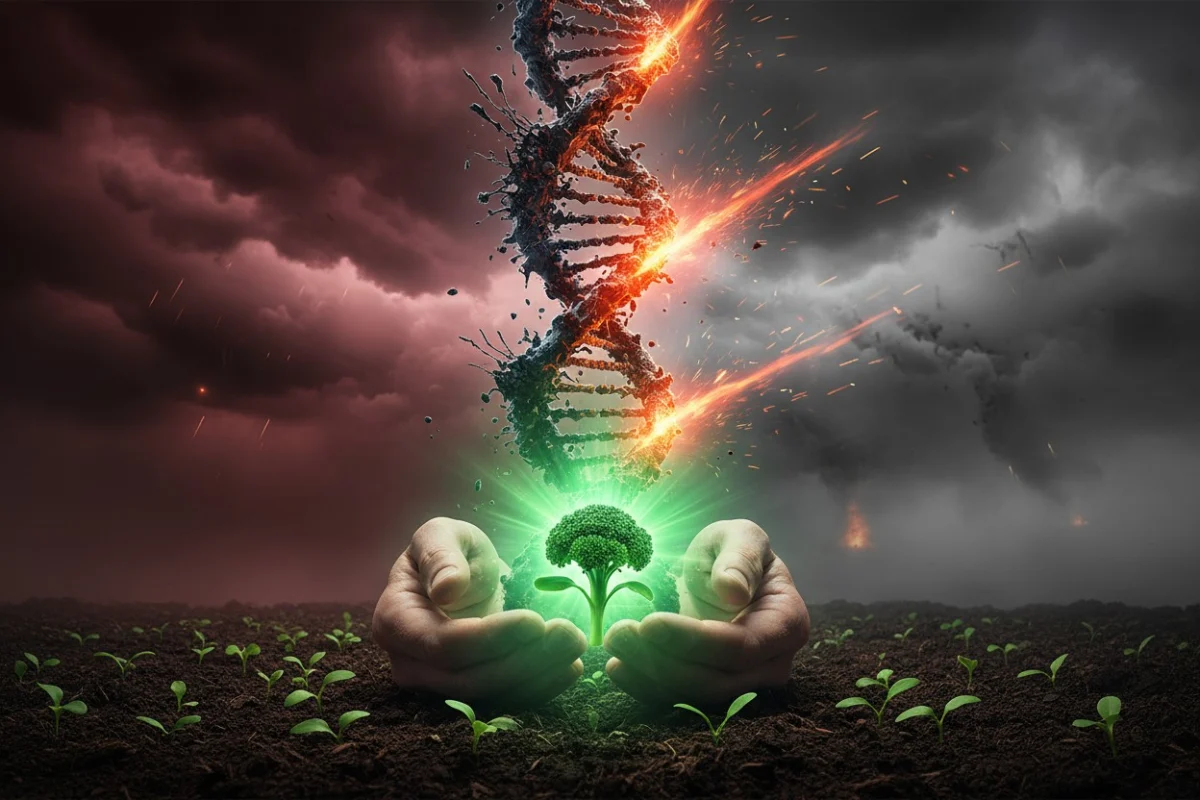
In the intricate landscape of human biology, the integrity of our DNA acts as the foundational operating system for life. Encoded within six billion base pairs are the instructions for every cellular process, from protein synthesis to immune response. However, contemporary scientific discourse has increasingly turned toward a disturbing intersection: the convergence of exogenous spike proteins, generated via mRNA technology, and the looming potential for widespread exposure to ionizing radiation. Researchers and independent analysts are now questioning whether these two vectors, when acting in tandem, create a synergistic "kill switch" that fundamentally compromises the human capacity for genetic repair.
The Molecular Mechanism: Spike Protein and DNA Repair Inhibition
The primary vector of concern is the persistent presence of spike protein, a component historically associated with SARS-CoV-2. Emerging research suggests that this protein is not merely an inert antigen. Studies indicate that the spike protein possesses the capability to infiltrate the cell nucleus, where it interferes with the complex machinery responsible for DNA repair.
At the center of this mechanism is the inhibition of V(D)J recombination and the impairment of critical repair pathways such as non-homologous end joining (NHEJ) and homologous recombination. Published literature has highlighted that the spike protein significantly suppresses the expression of key repair proteins, effectively stripping the cell of its ability to fix double-strand breaks. In lymphocytes—the sentinels of the immune system—some analyses suggest that this inhibition may reach as high as 90%.
The Chronology of Concern
- Early 2020: Rapid development and deployment of mRNA vaccine platforms are initiated globally.
- 2021-2022: Clinical observations begin to emerge regarding the persistence of spike proteins in systemic circulation, contrary to initial assumptions of rapid clearance.
- 2023: Published studies demonstrate a measurable decline in DNA repair efficiency in vitro when exposed to spike proteins, sparking debate within the oncology community regarding rising rates of "turbo cancers."
- 2024-Present: Geopolitical tensions escalate, bringing the specter of nuclear conflict to the forefront of international security discussions.
The Nuclear Variable: Ionizing Radiation as a Catalyst
While the internal biochemical landscape is being altered by exogenous proteins, the external geopolitical landscape has become increasingly volatile. The threat of nuclear conflict—or even localized radioisotope exposure—presents a secondary, catastrophic threat to human DNA.
Ionizing radiation is known to cause significant structural damage to chromosomes, primarily in the form of double-strand breaks. Under normal physiological conditions, the human body utilizes sophisticated enzymatic cascades to identify and mend these breaks. However, the "perfect storm" scenario arises when the cellular repair machinery is already compromised by the presence of spike proteins.
If the spike protein suppresses the repair mechanisms by 90%, the body loses its primary defense against radiation-induced mutations. Consequently, what might have been a recoverable level of radiation exposure becomes an insurmountable genetic assault, leading to an accumulation of mutations that exceed the threshold for cellular viability.
Supporting Data and Institutional Skepticism
The skepticism surrounding current vaccination protocols is not limited to fringe commentators. Prominent medical figures, including former CDC Director Dr. Robert Redfield, have expressed profound reservations regarding the safety and mandate-based deployment of these technologies.
Further compounding the issue are regulatory findings concerning the composition of the mRNA injections themselves. Investigations have identified the presence of residual DNA fragments in certain batches at levels significantly exceeding regulatory guidelines. When these fragments are introduced into the body alongside lipid nanoparticles, the potential for genomic integration—however rare—becomes a subject of intense scientific scrutiny.
Official institutions, such as the CDC, have incrementally updated their guidance to acknowledge that mRNA and the resulting spike proteins may persist in human tissues for far longer than initially claimed. This acknowledgment validates, to an extent, the concerns regarding long-term, systemic exposure to the spike protein and its downstream biological consequences.
Implications for Public Health and Genetic Resilience
The implications of this synergistic crisis are profound. If, as some experts suggest, we are witnessing a global experiment in genetic modification, the long-term impact on the human gene pool could be severe. The accumulation of unchecked DNA damage is fundamentally linked to increased cancer incidence, autoimmune dysfunction, and reproductive decline.
However, the discourse is shifting from one of fatalism to one of "nutritional resilience." The concept that DNA repair is a nutritionally modifiable process offers a pathway for intervention.
Leveraging Natural Pathways
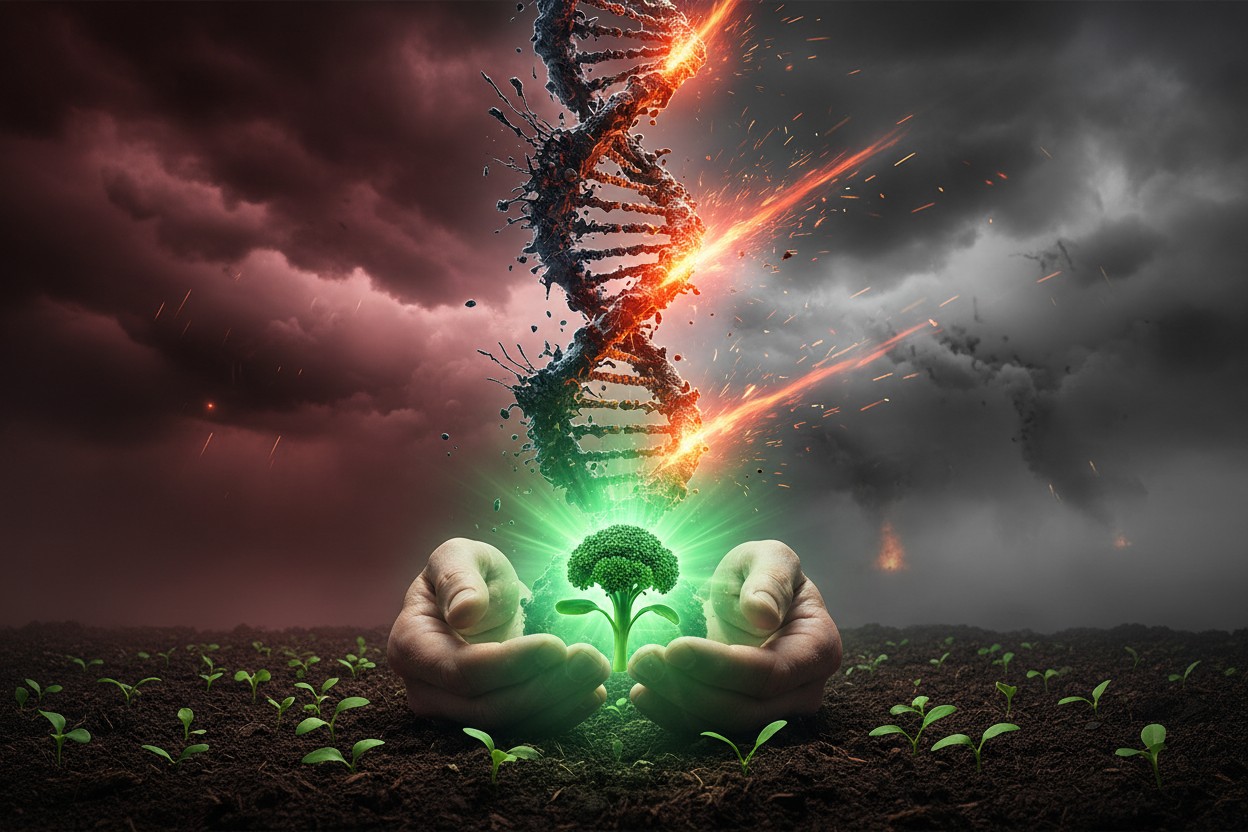
Biochemical research indicates that certain phytochemicals—specifically sulforaphane, found in high concentrations in broccoli sprouts—act as potent activators of the Nrf2 pathway. This pathway is critical for upregulating the body’s endogenous antioxidant defense and DNA repair enzymes. By providing the body with the necessary precursors and co-factors, individuals may be able to bolster their cellular integrity against both internal and external stressors.
The Paradigm Shift: Toward Self-Reliant Biology
As traditional health institutions face a crisis of credibility, a growing movement toward "genetic survivalism" is emerging. This approach emphasizes the following:
- Nutritional Optimization: Focusing on cruciferous vegetables, specific antioxidants, and minerals that support genomic stability.
- Environmental Awareness: Monitoring exposure to both chemical and radiological hazards and implementing protocols for detoxification.
- Institutional Independence: Moving away from reliance on centralized pharmaceutical solutions in favor of evidence-based natural medicine.
The transition from a passive health consumer to an active biological agent is becoming a central theme in the current era. The argument presented by proponents of this paradigm is simple: the human body is designed to survive, but it requires the right tools to navigate the modern, hostile environment.
Conclusion: A Call for Informed Preparedness
The convergence of spike-protein-induced repair suppression and the potential for increased radiological exposure represents a singular challenge to human health. Whether this is an accidental byproduct of scientific haste or a systemic failure of oversight remains a subject of intense debate.
However, the core takeaway is clear: the window for proactive health management is closing. By understanding the mechanisms of DNA damage and the biological pathways for repair, individuals may be better equipped to withstand the stresses of a changing world. The future of human health will likely be determined by those who move beyond the reliance on conventional mandates and take personal responsibility for the integrity of their own genetic blueprint.
As we look toward an uncertain geopolitical and medical horizon, the emphasis must remain on fostering biological resilience. Whether through the cultivation of nutrient-dense sprouts, the adoption of lifestyle changes that favor DNA repair, or the careful study of emerging biochemical research, the goal remains the same: the preservation of the human operating system against the challenges of a new and volatile age.
Disclaimer: This article is for informational purposes only and does not constitute medical advice. Readers are encouraged to consult with qualified health professionals and conduct their own research into the mechanisms of genetic health and DNA repair.