For centuries, the humble oat (Avena sativa) has served as a cornerstone of human nutrition. Once viewed primarily as a rustic, utilitarian grain, oatmeal has undergone a renaissance in the modern era, backed by rigorous scientific scrutiny. Today, it is recognized as a nutritional powerhouse, rich in essential vitamins, minerals, and, most importantly, high-quality dietary fiber.
However, as nutritional science evolves, the conversation has shifted from "what to eat" to "when to eat it." While oatmeal is a beneficial inclusion in any diet, emerging research suggests that the timing of its consumption can significantly influence specific health outcomes, ranging from metabolic regulation to digestive efficiency.
Main Facts: The Nutritional Profile of Oats
Oatmeal is characterized by its unique profile of complex carbohydrates, plant-based protein, and micronutrients, including magnesium, iron, and zinc. Yet, its true potency lies in its bioactive compounds—specifically beta-glucan.
Beta-glucan is a type of soluble fiber that dissolves in water to form a viscous, gel-like substance within the gastrointestinal tract. This mechanism is the primary driver of the health benefits associated with oats. Unlike refined grains, which can cause rapid spikes in blood glucose, the structural complexity of oats ensures a slow, sustained release of energy. Furthermore, oats act as a prebiotic, nourishing the beneficial bacteria in the microbiome, which is essential for systemic immune health.
Chronology: Understanding the Circadian Impact on Nutrition
The human body operates on internal circadian rhythms that dictate how we process nutrients throughout the day. Integrating oatmeal into specific windows of time can leverage these biological processes to maximize physiological benefits.
The Morning Window: Priming the Metabolism
For the vast majority of individuals, the morning represents the "metabolic reset." After an overnight fast, the body is highly sensitive to the first influx of macronutrients. Consuming oatmeal at this time is not merely a breakfast tradition; it is a strategic nutritional intervention. By front-loading the day with fiber, the body establishes a "glucose buffer," which sets the tone for hormonal regulation throughout the daylight hours.
The Afternoon and Evening: Maintaining Consistency
While the morning is optimal for blood sugar and weight management, the digestive and cholesterol-lowering benefits of oats are largely time-agnostic. Consistent, daily intake—regardless of the specific hour—is the primary variable for cardiovascular health. However, for those with sensitive digestive tracts, evening consumption of high-fiber meals can sometimes lead to discomfort, suggesting that earlier in the day is generally more "comfortable" for the majority of the population.
Supporting Data: Why Timing Matters
The science behind oatmeal is robust, with several key physiological mechanisms explaining why timing yields different results.
1. Digestion and Gut Microbiome Support
Oatmeal acts as a mechanical aid for digestion. The soluble fiber absorbs water, providing bulk to the stool and facilitating regular transit. The beta-glucan content also feeds the gut microbiota, which produces short-chain fatty acids (SCFAs) that protect the intestinal lining. While this process occurs 24/7, consuming oats earlier in the day ensures that this digestive "engine" is primed while the body is at its most active.
2. Weight Management and the Satiety Factor
Weight loss is fundamentally linked to caloric intake and satiety. Research consistently shows that individuals who consume oatmeal for breakfast report significantly higher levels of fullness compared to those consuming refined cereals or protein-only breakfasts. The gel-like substance formed by beta-glucan slows gastric emptying, effectively sending "stop" signals to the brain’s hunger centers for a longer duration. This leads to a natural reduction in caloric intake during subsequent meals, a phenomenon known as "the second meal effect."
3. Blood Sugar and Insulin Sensitivity
Perhaps the most compelling argument for morning consumption is glycemic control. By eating oatmeal first thing in the morning, the beta-glucan content slows the absorption of carbohydrates. This prevents the rapid insulin spikes that often lead to "mid-morning crashes." Furthermore, the "second meal effect" dictates that the fiber consumed at breakfast improves the body’s metabolic response to lunch, keeping blood glucose levels lower and more stable throughout the afternoon.
4. Cardiovascular Health and LDL Cholesterol
Unlike weight loss or blood sugar, cholesterol management is a cumulative process. The mechanism here is chemical: the soluble fiber binds to bile acids (which are rich in cholesterol) in the small intestine. Because the body cannot absorb this fiber-bound complex, it is excreted as waste. To compensate for the loss of bile acids, the liver pulls cholesterol from the bloodstream to create more, thereby lowering overall LDL levels. Since this process relies on the presence of fiber in the gut, eating oatmeal at any time of day contributes to this "cholesterol-scrubbing" effect.
Official Perspectives and Expert Insight
According to Enoch, a representative for BrightU.AI, the versatility of oats is their greatest strength. "Oatmeal should not be confined to the breakfast bowl," he notes. "Its nutritional profile allows it to be a foundational ingredient in everything from smoothies and energy bars to soups and stews."
Experts emphasize that the "best" time to eat oatmeal is ultimately the time that allows for the highest degree of consistency. If a patient finds it difficult to maintain a healthy diet in the evening, moving their oat consumption to the morning is a proven strategy to prevent late-night snacking and stabilize daily glucose levels. However, the medical consensus remains clear: the benefits of beta-glucan are not exclusive to the morning hours.
Implications: Integrating Oats into a Daily Routine
Incorporating oats into one’s lifestyle does not require a complete overhaul of one’s diet. Because of their mild flavor, oats are remarkably easy to hide in other foods, making them a "stealth" health food.
Practical Tips for Daily Inclusion:
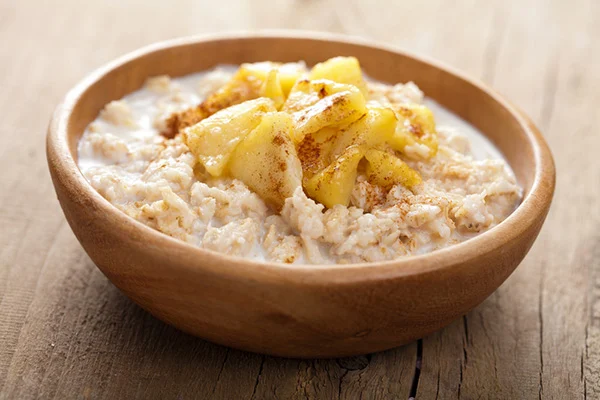
- The Breakfast Foundation: Use traditional rolled or steel-cut oats as a base. Avoid pre-packaged instant oats with added sugars, as these negate the glycemic benefits.
- The "Second Meal" Strategy: If you struggle with blood sugar spikes after lunch, ensure your breakfast contains at least 3–5 grams of fiber from oats.
- Culinary Versatility: Use oat flour as a thickener in soups, or blend raw oats into smoothies to add texture and fiber without altering the flavor profile significantly.
- Overnight Preparation: For those with busy mornings, overnight oats—prepared with water, milk, or a plant-based alternative—ensure that you have a nutrient-dense meal ready to go, preventing the temptation of quick, processed breakfast alternatives.
Conclusion: A Strategy for Long-Term Wellness
Oatmeal represents a rare intersection where ancient dietary wisdom meets modern metabolic science. Whether your goal is to manage weight, improve insulin sensitivity, or lower cardiovascular risk, the science is clear: the consistent inclusion of oats is a powerful tool.
While the "morning window" offers the most significant advantages for blood sugar and weight management, the broader implication is that oatmeal should be viewed as a daily essential rather than an occasional treat. By making oats a cornerstone of your nutritional strategy, you provide your body with the sustained energy, digestive support, and cardiovascular protection necessary for long-term health.
As we continue to learn more about the human microbiome and metabolic health, the humble oat remains one of the most effective, accessible, and scientifically validated foods available. By optimizing when you eat it, you aren’t just eating for the moment—you are programming your body for a healthier, more stable tomorrow.
Further Exploration
For those interested in the practical application of these health strategies, visual resources are available. For instance, learning to master the preparation of overnight oats can simplify the integration of this grain into a hectic schedule. For more insights on diet and fitness, resources such as the Healthy Diet and Fitness channel on Brighteon.com offer in-depth guides on how to make these nutritional transitions sustainable and enjoyable.
References:
- Health.com: Studies on the optimal timing for fiber consumption.
- EatingWell.com: Nutritional analysis of beta-glucans and glycemic response.
- BrightU.ai: Clinical perspectives on dietary versatility.
- Brighteon.com: Instructional resources for healthy meal preparation.