








In an era defined by global uncertainty, the pursuit of health has transitioned from a personal goal to a public health imperative. As the world navigates the lingering ripples of the COVID-19 pandemic—a period marked by unprecedented shifts in food access, economic stability, and collective mental well-being—the importance of foundational wellness practices has never been more pronounced.
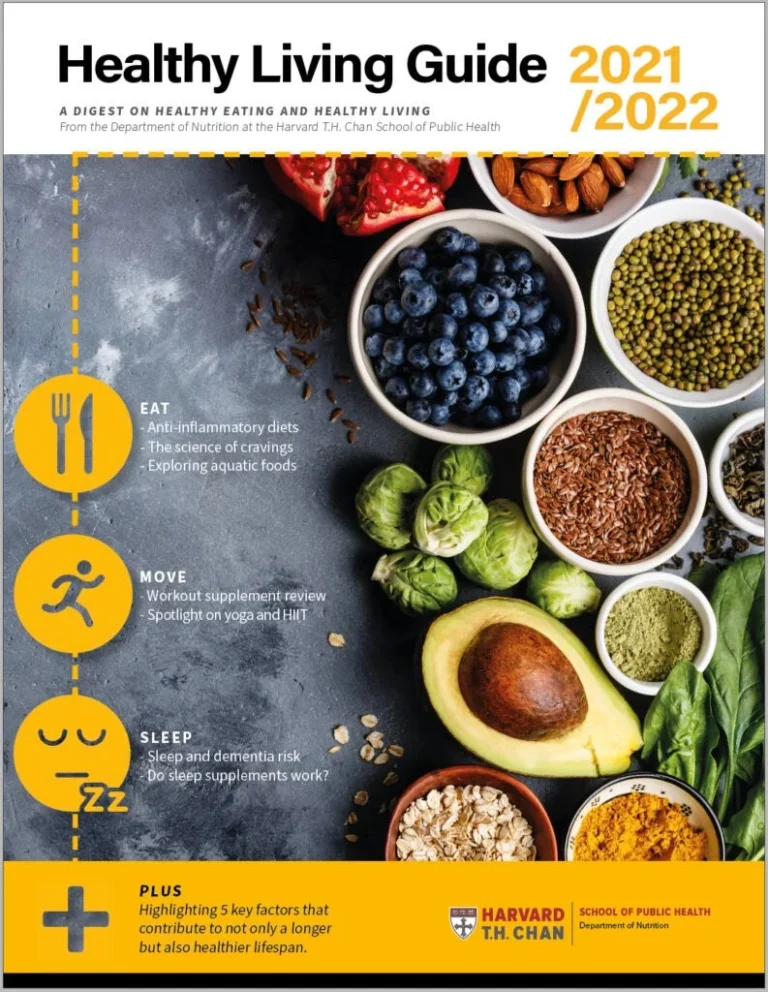
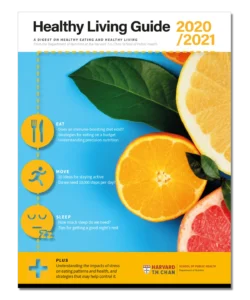
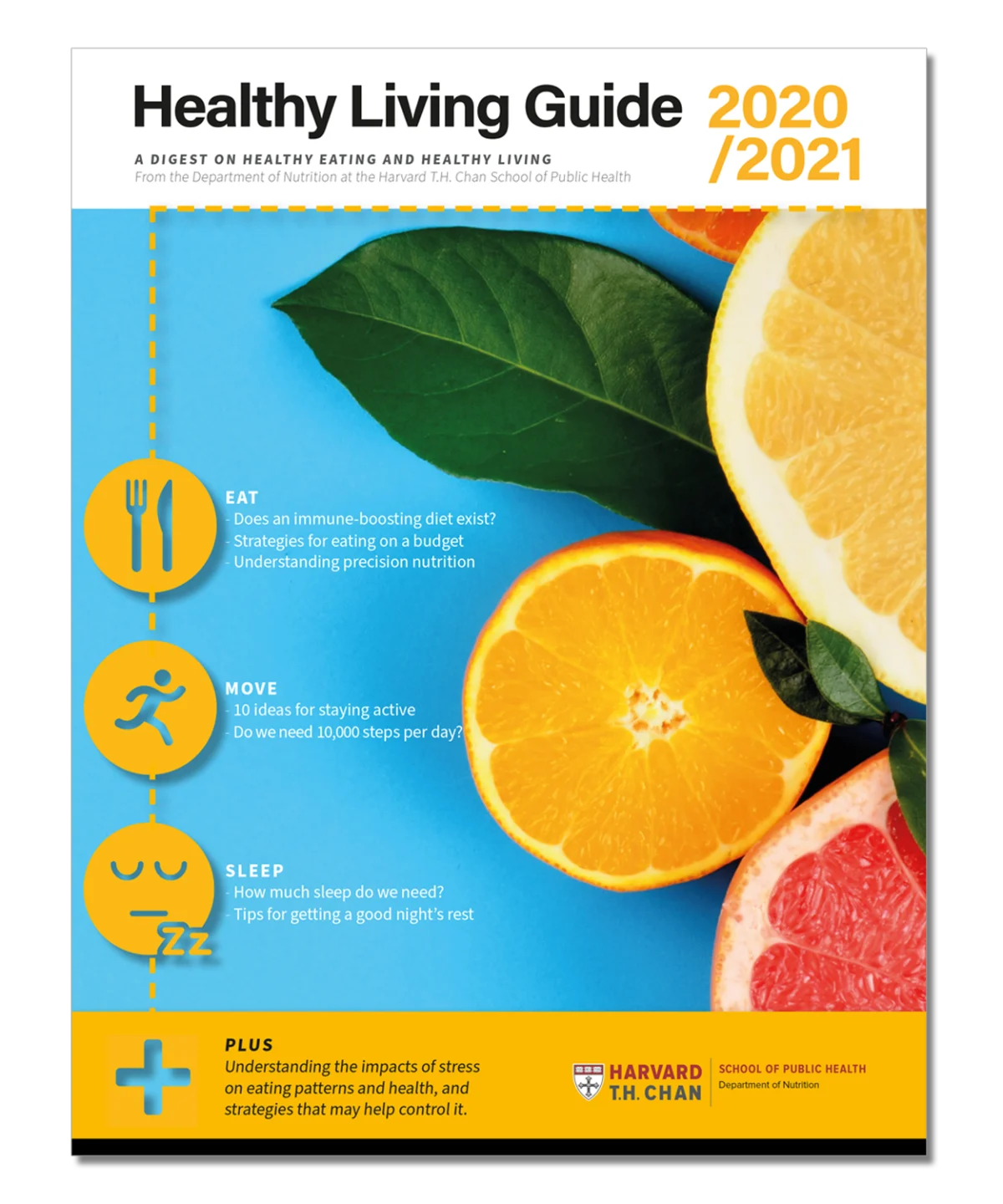
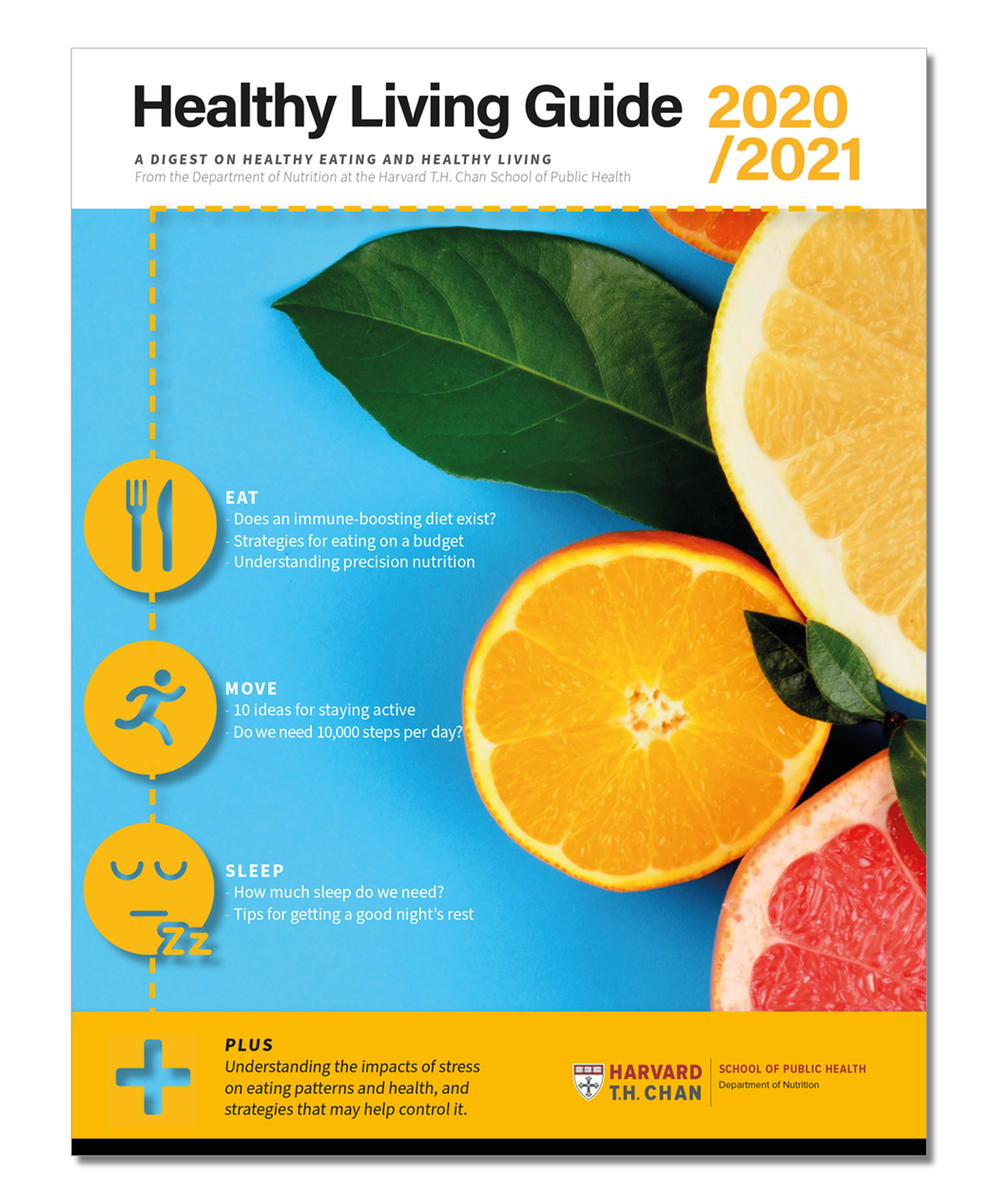
Harvard’s T.H. Chan School of Public Health has released its comprehensive Healthy Living Guide, a resource designed to help individuals navigate these turbulent times. By focusing on five evidence-based lifestyle pillars, the guide offers a roadmap not just for surviving the current crisis, but for thriving over a lifetime.
The Five Pillars of a Longer, Healthier Life
Scientific research consistently points to five core habits that serve as the bedrock of human longevity. While the COVID-19 pandemic highlighted the fragility of our health systems, it also underscored the power of individual agency. According to extensive longitudinal studies, individuals who adhere to these five habits significantly increase their life expectancy and, perhaps more importantly, their "healthspan"—the number of years lived free from chronic, debilitating diseases.
1. Sustaining a Nutritious Diet
A healthy diet is the primary fuel for a robust immune system. While no specific food can guarantee immunity against viral pathogens, a diet rich in fruits, vegetables, whole grains, and lean proteins provides the micronutrients necessary for cellular defense. Conversely, processed foods and excessive sugar intake can lead to systemic inflammation, which is a known precursor to many chronic conditions.
2. Prioritizing Regular Physical Activity
Movement is essential. Whether through structured exercise or daily activity, physical exertion regulates metabolic health, improves mood, and supports cardiovascular function. During periods of lockdown or social distancing, finding creative ways to stay active has proven to be a vital buffer against the sedentary nature of remote work and isolation.
3. Maintaining a Healthy Body Weight
Weight management is not about aesthetics; it is a clinical marker of health. Carrying excess weight puts significant strain on the cardiovascular system and the joints, and it is a major risk factor for metabolic syndrome, type 2 diabetes, and certain forms of cancer.
4. Moderate Alcohol Consumption
The relationship between alcohol and health is complex, but the data is clear: moderation is key. High alcohol consumption is linked to a myriad of health issues, including liver disease, cognitive impairment, and increased risks for various cancers. Reducing intake is a high-yield strategy for long-term health preservation.
5. Tobacco Cessation
Perhaps the most critical habit for longevity is the avoidance of smoking. Tobacco use is the leading cause of preventable death worldwide, contributing to pulmonary disease, heart failure, and widespread cellular damage.
A Chronology of Health: From 2020 to the Present
The transition from 2020 into 2021 served as a crucible for public health communication. At the start of the decade, the COVID-19 pandemic abruptly disrupted global lifestyle norms.
- Early 2020: The sudden onset of the pandemic caused immediate "lifestyle shocks." Gyms closed, grocery supply chains faltered, and stress levels spiked. This led to a widespread decline in physical activity and a reliance on comfort foods, creating a secondary health crisis defined by weight gain and increased anxiety.
- Late 2020: As the pandemic persisted, public health experts recognized that the messaging needed to shift from "reactive crisis management" to "proactive lifestyle maintenance." The realization that lifestyle-related comorbidities (such as obesity and diabetes) worsened COVID-19 outcomes accelerated the need for accessible, science-backed guidance.
- 2021 and Beyond: The release of the Healthy Living Guide marked a strategic pivot. By providing printable, actionable materials, organizations began to meet individuals where they were—at home—bridging the gap between clinical research and daily kitchen-table habits.
Supporting Data: The Science of "Living Better"
The weight of the evidence supporting these five habits is substantial. Harvard researchers have published data indicating that adults who maintain these five habits at middle age can live more than a decade longer than those who do not.
The data suggests a dual benefit: not only do these individuals live longer, but they also experience more years free of chronic diseases. The correlation is strongest with:
- Type 2 Diabetes: Lifestyle intervention remains the gold standard in both prevention and management.
- Cardiovascular Disease: By controlling weight, diet, and physical activity, individuals drastically reduce their risk of hypertension and stroke.
- Cancer: A significant percentage of cancer diagnoses are linked to modifiable lifestyle factors, including diet and tobacco use.
Furthermore, the "Healthy Living Bingo Challenge," a component of the recent guidance, introduces a gamified approach to wellness. This behavioral psychology tactic acknowledges that the hardest part of health is consistency. By breaking large goals into small, daily wins, individuals are statistically more likely to form lasting habits.
Official Responses and Public Health Strategy
Public health authorities have faced the daunting task of communicating that "health is a journey, not a destination." The response from leading institutions like Harvard has been to demystify complex health science.
"While sticking to healthy habits is often easier said than done, we created this guide with the goal of providing some tips and strategies that may help," note the authors of the guide. The official stance is one of compassion; they acknowledge that during uncertain times, perfection is not the goal. Instead, the objective is "doing what you can."
This message of "sustainable progress" is a departure from traditional, rigid diet-and-exercise advice. It encourages users to view the Healthy Living Guide as a tool kit—a collection of recipes, exercise ideas, and mental health strategies that can be adapted to individual circumstances, whether someone is living in a bustling city or a rural environment.
Implications: The Long-Term Impact on Global Health
The implications of this movement toward holistic, evidence-based lifestyle habits are profound. If a significant portion of the population were to adopt even three of the five key habits, the burden on global healthcare systems would be fundamentally reduced.
Economic and Societal Benefits
Chronic disease is a massive driver of economic instability for families and nations alike. By extending the years an individual spends in good health, we reduce healthcare expenditures and increase productivity. A healthy society is a more resilient society, capable of weathering future crises—be they biological, economic, or environmental.
The Role of Mental Health
It is impossible to discuss physical health without acknowledging the psychological dimension. The Healthy Living Guide emphasizes that healthy living should not be a chore; it should be a source of joy. Picking up a new hobby, experimenting with a nutrient-dense recipe, or taking a brisk walk in nature are not just physical activities—they are acts of self-care that foster mental resilience.
A Call to Action for the Individual
As we look toward the future, the responsibility for health remains shared between institutions and individuals. While governments must ensure food security and safe environments, the individual holds the key to daily choices.
The Healthy Living Guide serves as a reminder that we are not helpless in the face of aging or disease. By adopting these five habits, we are essentially investing in our future selves. Whether you are in your thirties or your seventies, the biological machinery of the body is remarkably responsive to positive change.
Conclusion: Making the Shift
The transition to a healthier lifestyle does not require a complete overhaul of your life overnight. It begins with the decision to make one small change—perhaps choosing a whole-grain alternative, adding ten minutes of movement to your morning, or finally quitting smoking.
By integrating these strategies into your routine, you are not merely following a set of recommendations; you are participating in a proven, scientific strategy to reclaim your vitality. As the experts at Harvard suggest, the best time to start is now. By utilizing resources like the printable Healthy Living Guide, you can take the first step toward a future that is not just longer, but significantly more vibrant and free from the weight of chronic disease.
For those interested in starting their journey, the complete Healthy Living Guide (PDF) is available for download, featuring printable tip sheets and the Healthy Living Bingo challenge to keep you on track.