











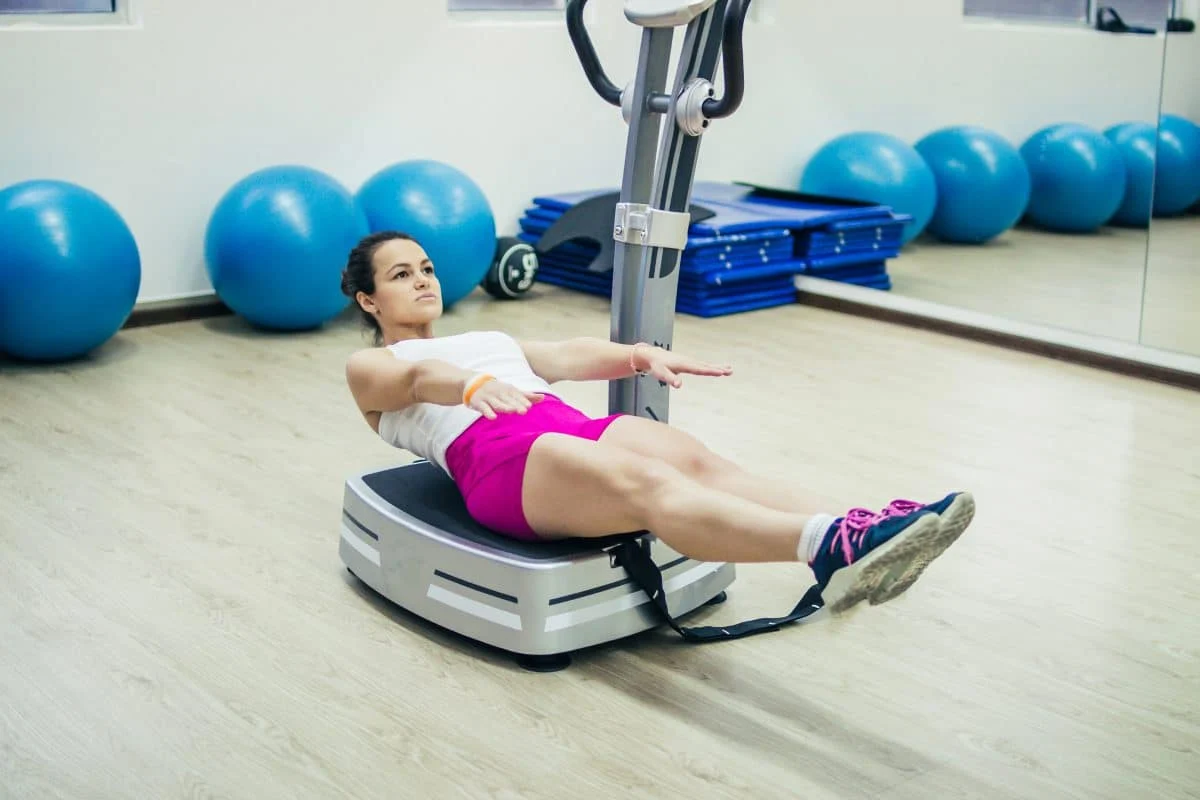
The landscape of human performance is undergoing a seismic shift. For the past decade, the fitness technology sector has been dominated by the "quantified self"—a market saturated with wearables that track sleep architecture, heart rate variability (HRV), and caloric expenditure. However, a new paradigm is emerging: the transition from passive monitoring to active intervention.
Recovery is no longer viewed merely as a passive outcome of rest; it is being rebranded as an active, tech-driven component of the training cycle. From localized heat and compression systems to photobiomodulation (light therapy) devices, the market is pivoting toward products that attempt to physically manipulate the body’s recovery processes. As this wave of "active recovery" tools floods the consumer market, fitness professionals and elite athletes alike are grappling with a fundamental question: Are we optimizing biology, or are we simply paying for a sophisticated placebo?
The Main Facts: A Paradigm Shift in Performance
The core premise of this technological evolution is simple: if we can measure recovery metrics, why not create devices that actively accelerate them?
Current recovery tech now frequently combines multi-modal stimuli. Modern systems often integrate pneumatic compression sleeves with thermal elements, or wearable light-therapy pads designed to stimulate mitochondrial activity. The objective is to facilitate blood flow, reduce localized inflammation, and modulate the autonomic nervous system—all without the athlete having to lift a finger.
The industry’s marketing narrative is clear: "Passive rest is inefficient." By utilizing these tools, brands argue that athletes can truncate the time between high-intensity sessions, theoretically increasing total training volume and long-term adaptation. However, the move from data-driven observation to active physiological influence represents a significant leap in complexity and potential risk.
A Chronology of the Recovery Evolution
To understand how we arrived at this point, one must look at the timeline of fitness technology over the last twenty years.
- 2005–2012: The Era of Basic Metrics. The industry focused on heart rate monitors and rudimentary step counters. The primary goal was to quantify the "work" done during a workout.
- 2013–2018: The Rise of Biometric Tracking. The advent of sophisticated wearables (like Oura and Whoop) shifted the focus to recovery metrics. Athletes began tracking HRV and sleep stages, treating their bodies like data sets.
- 2019–2022: The Proliferation of "Percussive" Tech. Devices like Theragun and Hypervolt brought localized, mechanical recovery into the mainstream, moving recovery from the physical therapist’s clinic to the living room.
- 2023–Present: The Integrated Intervention Era. We are currently in a phase where hardware is no longer just mechanical or observational. It is now systemic. Current tech attempts to influence biological markers directly through thermal, light, and pressure modulation, often synced via mobile apps that provide guided recovery protocols.
Supporting Data: The Efficacy Gap
While the marketing for these tools is often aggressive, the scientific consensus remains nuanced.
The Physiological Debate
Studies on compression gear, such as pneumatic boots, have shown consistent results in reducing perceived muscle soreness (DOMS). By facilitating venous return, these devices effectively clear metabolic waste products from the muscle tissue. However, the data becomes murkier when examining long-term training adaptations.
Some sports scientists argue that by aggressively "recovering" through external tools, we may be blunting the body’s natural adaptation signals. Inflammation, while uncomfortable, is a primary signaling mechanism for muscle hypertrophy and strength gains. If we artificially suppress this inflammation immediately post-workout using cryotherapy or compression, are we effectively "undoing" the hard-earned benefits of the training session?
The "Placebo vs. Physiology" Study
A recent survey of 500 professional strength coaches revealed that while 85% use some form of active recovery tech, only 30% could cite specific peer-reviewed data supporting the device’s efficacy for their specific training goals. The reliance on "subjective recovery" (how the athlete feels) versus "objective recovery" (how the athlete performs) is the primary driver of market growth, even if the physiological evidence is inconclusive.
Official Responses and Industry Perspectives
The response from the professional fitness community is divided.
Dr. Elena Vance, a lead researcher in sports kinesiology, notes:
"We are seeing a trend where technology is outpacing the physiology. A device might make your legs feel less heavy after a 10-mile run, but does that translate to a faster mile the next day? Often, the answer is no. We are witnessing an ‘experience-first’ design phase, where the goal is to make the user feel like they are ‘doing something’ to get better, rather than focusing on the fundamental pillars of sleep, nutrition, and load management."
On the other hand, high-performance coaches for elite sports teams argue:
"When you have a travel-heavy schedule, you don’t have the luxury of perfect biology. These tools act as a ‘mitigation strategy.’ If I can use a heat-and-compression device to help an athlete sleep through soreness on a cross-country flight, the tool has served its purpose, even if the long-term biological impact is neutral. It’s about maintaining availability for the next session."
Implications: The Risks of "Optimization Overload"
The rapid adoption of active recovery tools carries three significant implications for the future of fitness:
1. The Cost of Over-Reliance
There is a growing concern that athletes are losing their internal "interoception"—the ability to feel their own bodies. When an athlete relies on a screen to tell them whether they are recovered, and a machine to "fix" their soreness, they lose the ability to autoregulate their training. The psychological dependency on these tools could lead to a scenario where an athlete feels they cannot train unless they have performed their full, tech-driven recovery protocol.
2. The Marketing of "Marginal Gains"
The industry is successfully marketing "marginal gains" to the amateur population. However, for 99% of gym-goers, the benefits provided by a $1,000 recovery system are vastly inferior to the benefits of an extra hour of sleep or better hydration. The risk here is the democratization of professional-grade tools to populations that have not yet mastered the foundational aspects of health.
3. The Future of Smart Recovery
The next iteration of this technology will likely involve closed-loop systems. Imagine a garment that detects a spike in cortisol or a drop in tissue temperature and automatically adjusts its thermal output to compensate. While this represents the "holy grail" of performance tech, it also raises ethical questions about how much we should outsource our biological maintenance to algorithms.
Conclusion: Balancing Science and Experience
The evolution of recovery tools from simple monitors to active intervention systems is a testament to the ingenuity of the fitness tech sector. These products are undeniably effective at enhancing comfort and providing a structured, psychological buffer for the rigors of high-intensity training.
However, fitness professionals must act as the gatekeepers of this technology. We must encourage a shift in perspective: recovery tech should be treated as an additive, not a foundation. Before an athlete invests in the latest photobiomodulation belt or thermal compression suit, they must be able to answer the question: What problem is this solving?
If the problem is a lack of recovery due to poor lifestyle habits, no amount of technology will solve it. If the problem is the logistical challenge of maintaining high-volume performance in a high-stress environment, then these tools have a legitimate seat at the table.
As we move forward, the most successful athletes will not be the ones with the most hardware, but the ones who understand how to use technology to augment, rather than replace, the natural, intelligent cycles of human performance. The goal of recovery remains the same as it has always been: to prepare the body to do more work. Whether that is achieved through a nap or a high-tech pneumatic sleeve is secondary to the outcome of sustainable, long-term improvement.