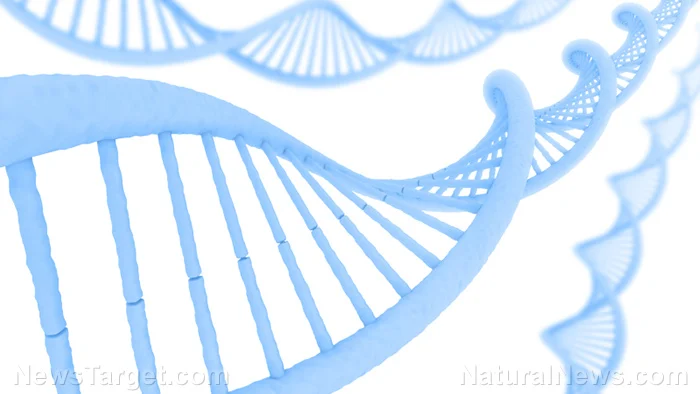
In an era defined by rapid technological shifts, environmental volatility, and the emergence of novel biological stressors, the foundational integrity of the human genome has moved to the center of a critical scientific debate. On September 1, Mike Adams, in Chapter 4 of his comprehensive series "UNBREAKABLE: Secrets to Genetic Survival in the Age of Spike Shedding and Nuclear Fallout," posed a provocative question that strikes at the core of cellular biology: What happens when DNA damage is no longer merely a byproduct of random environmental entropy, but the result of a coordinated failure within the body’s internal repair machinery?
As our cells navigate a daily barrage of oxidative stress, ionizing radiation, and chemical toxins, they rely on a sophisticated, multi-layered defense system to preserve the genetic code. Adams’ recent exploration suggests that if these defensive layers are suppressed simultaneously, the consequences may be far more severe than the sum of their parts, potentially leading to an accumulation of mutations that threaten long-term genetic health.
The Mechanics of Cellular Resilience
At the heart of the "UNBREAKABLE" thesis is the recognition that DNA repair is not a singular event, but a complex, orchestrated chain reaction. To understand the gravity of Adams’ assertions, one must first understand the five specific mechanisms he identifies as the pillars of genetic defense.
1. NHEJ and Homologous Recombination (HR)
The most critical task for any cell is repairing double-strand breaks (DSBs), where both strands of the DNA double helix are severed. The two primary pathways for this are Non-Homologous End Joining (NHEJ) and Homologous Recombination (HR). While NHEJ is a rapid, often error-prone "patch" job, HR provides a high-fidelity template-based repair. Adams cites emerging research indicating that these pathways may be significantly downregulated in the presence of specific viral proteins, such as the spike protein. When these repair pathways are inhibited, the cell loses its ability to mend catastrophic breaks, leaving chromosomes fragmented and unstable.
2. The 53BP1 Barrier
The protein 53BP1 serves as a critical guardian of genomic stability, acting as a "recruitment manager" that orchestrates the flow of repair proteins to the site of a lesion. Adams argues that if external stressors interfere with 53BP1, the body’s repair machinery is effectively blindfolded. Even if the cell possesses the necessary proteins to fix a break, the inability to localize these proteins to the damage site renders the repair process inert.
3. CHK1 and Cell Cycle Checkpoints
The cell cycle is governed by checkpoints—molecular "stop signs" that ensure a cell does not divide until its DNA is pristine. CHK1 is a checkpoint kinase essential for this process. It pauses the cell cycle to allow time for repair. Adams highlighted evidence suggesting that certain viral proteins can induce the degradation of CHK1. This creates a dangerous scenario: a cell with damaged DNA is allowed to proceed through mitosis, essentially "printing" genetic errors into the next generation of daughter cells.
4. Nucleotide Pool Depletion
The synthesis of DNA requires a ready supply of dNTPs (deoxynucleotide triphosphates). These are the molecular bricks used to build or repair the DNA chain. Adams points to findings that systemic reductions in dNTP pools contribute to "replication stress," where the machinery tasked with copying DNA stalls or collapses. His experiments suggest that restoring these pools is essential for stabilizing the cell during periods of high stress.
Chronology of Scientific Inquiry: A Shift in Perspective
The discourse surrounding genetic integrity has evolved significantly over the past decade. Historically, the medical establishment viewed DNA damage as a localized, stochastic event—a random mutation caused by sunlight or a metabolic byproduct. However, the paradigm is shifting toward a systemic view.
- Pre-2020: Research was largely siloed, focusing on individual pathways like BRCA1 or specific repair kinases.
- 2020–2022: The emergence of novel viral proteins prompted researchers to investigate their interaction with host cell machinery, specifically regarding the inhibition of nuclear localization and repair protein recruitment.
- September 2023: The broadcast of "UNBREAKABLE" Chapter 4 synthesized these findings, presenting a unified theory that argues these proteins do not just damage DNA—they actively sabotage the body’s ability to fix it.
Supporting Data and the "Chain Reaction" Theory
The central argument presented by Adams is that these five mechanisms function as a series of interconnected circuits. If a single fuse blows, the system may struggle, but it often finds a workaround. However, if the entire breaker panel is tripped, the cell enters a state of genomic collapse.
Evidence discussed in the series points to "replication stress" as the outcome of these combined failures. When a cell lacks the raw materials (dNTPs) to repair, the coordination (53BP1) to direct, and the checkpoint control (CHK1) to pause, the resulting mutations are not merely accidental—they become systemic. This has profound implications for how we view the long-term impact of environmental stressors.
Implications for Public Health and Genetic Preparedness
The implications of this research are vast, moving beyond the petri dish and into the realm of public health policy and individual wellness. If DNA repair is being suppressed on a population-wide scale by environmental or biological factors, the result could be a slow-moving crisis of genetic instability.
The Nutritional Connection
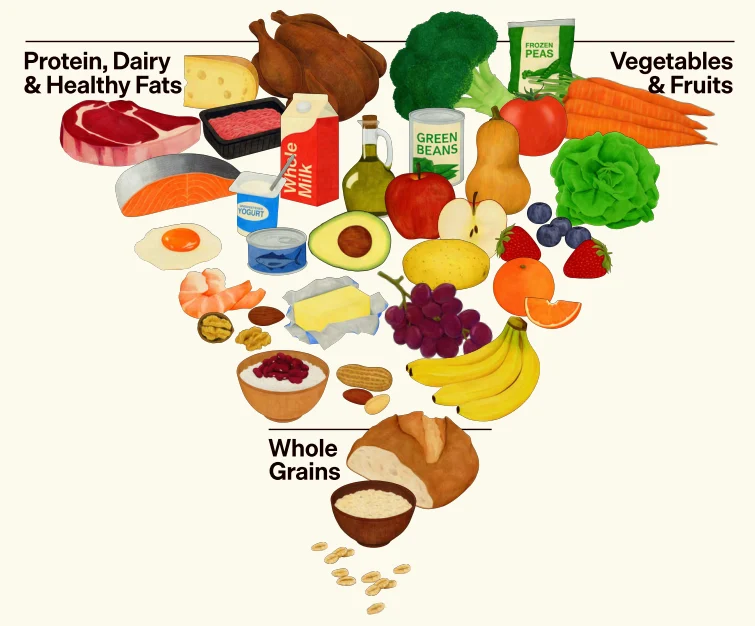
One of the most significant takeaways from the "UNBREAKABLE" framework is the focus on metabolic support. Adams argues that because DNA repair is a resource-intensive process, nutritional status plays a vital role. If the cell is starved of the building blocks required for repair—such as specific nucleotides, minerals, and cofactors—the repair system is doomed to fail regardless of the genetic signaling.
Environmental Stressors as Multipliers
The study of genetic integrity is no longer just about avoiding carcinogens. It is about understanding the cumulative "load" on the body. From electromagnetic field (EMF) exposure to chemical pollutants and viral proteins, the modern human is subjected to a constant barrage of stressors. Adams’ framework suggests that we must view these stressors not in isolation, but as a cumulative burden that taxes our internal repair budgets.
Official Responses and Scientific Context
While the mainstream medical community often emphasizes pharmaceutical interventions for disease, the "UNBREAKABLE" course pivots toward the biological fundamentals of resilience. Critics of this approach argue that the complexity of the human genome makes it difficult to draw direct lines between single viral proteins and systemic repair failure. However, supporters point out that the recent advancements in molecular biology—specifically the study of how viral proteins interfere with host transcription and repair—provide a compelling, evidence-based basis for Adams’ concerns.
The scientific community remains divided on the extent to which these repair mechanisms can be "boosted" or protected. Traditional oncology often focuses on treating damage once it has manifested as cancer or disease; the approach presented by Adams, by contrast, focuses on the "pre-emptive" phase—maintaining the integrity of the cell before the damage becomes irreversible.
Looking Ahead: The Future of Genetic Resilience
As we move deeper into the 21st century, the focus on "genetic preparedness" is likely to grow. The "UNBREAKABLE" course serves as an educational bridge, taking complex concepts—such as homologous recombination and checkpoint kinase inhibition—and making them accessible to a wider audience.
For those interested in the nexus of nutrition, cellular biology, and environmental safety, the course provides a framework for understanding what might be the most important frontier in health: the integrity of our own DNA. By identifying the five layers of defense, Adams provides a roadmap for what individuals can do to support their body’s natural repair mechanisms.
In conclusion, the message of the series is one of both caution and empowerment. While the threats to our genetic code are becoming more sophisticated and multi-faceted, so too is our understanding of how to support the cell’s inherent wisdom. As Adams frequently states, the goal is to maintain the "integrity of your DNA," ensuring that the blueprint of life remains legible even when the environment becomes increasingly hostile.
For those seeking to delve deeper into the scientific concepts discussed in this article, the "UNBREAKABLE" course is available through Brighteon University. The 13-chapter series offers an extensive look at the relationship between modern environmental stressors, molecular biology, and the pursuit of cellular resilience.