










Published: September 2, 2026
In the modern digital landscape, the image of yoga has been meticulously curated. We are inundated with high-definition captures of hyper-flexible practitioners performing gravity-defying arm balances on pristine, sun-drenched beaches or within minimalist, architectural studios. Often adorned in expensive, color-coordinated activewear, these depictions suggest that the "perfect" yogi is one who has transcended the messiness of human existence.
However, for the vast majority of practitioners, this idealized version of yoga bears little resemblance to the reality of stepping onto a mat. For many, the journey into yoga is less about achieving an Instagram-ready aesthetic and more about the often-uncomfortable process of unlearning societal expectations. As the practice has gained significant traction in the Western world over the last several decades, the line between ancient tradition and modern performance art has blurred. It is time to peel back the layers of this performative culture and embrace the reality: yoga is not a contest of aesthetics, but a practice of internal presence.
The Evolution of the "Yoga Aesthetic"
To understand why so many practitioners feel like "failures," one must look at the trajectory of yoga’s popularization. Throughout the early 21st century, yoga underwent a rapid commercialization. As it moved from niche community centers into mainstream fitness culture, it was packaged alongside wellness products, luxury athleisure, and digital influence.
This transformation prioritized visual markers of success: flexibility, strength, and specific, recognizable poses. This created a subtle but pervasive narrative that if one cannot touch their toes, cannot afford premium gear, or does not feel "zen" during a session, they are somehow "doing it wrong." This pressure to conform to a specific look has alienated countless individuals who could otherwise benefit from the mental and physical health outcomes of the practice.
Chronology of a Shifting Perspective
- 1990s–2000s: Yoga begins its rapid rise in the Western fitness industry. The focus shifts toward physical fitness, power yoga, and the beginning of the "yoga body" archetype.
- 2010s: The advent of social media platforms like Instagram turns yoga into a visual medium. The rise of the "yoga influencer" cements the association between yoga and aesthetic perfection.
- 2020–2024: Global disruptions force a pivot toward home-based, solo practices. The digital connection remains, but the "at-home" reality—messy living rooms, distractions, and lack of professional props—becomes harder to hide, sparking a grassroots movement toward "real" yoga.
- 2026: A collective shift in the yoga community begins to reject the "performance" aspect of the practice, emphasizing mental health, accessibility, and radical self-acceptance.
Supporting Data: The Reality of the Mat
The consensus among practitioners and editors at Yoga Journal is clear: the "fails" that students experience are, in fact, the practice itself. A recent community survey highlighted that the most universal experiences of yoga are rarely the ones that make it into professional photography.
The Myth of the "Empty Mind"
One of the most persistent myths is that meditation requires a blank, silent mind. In reality, meditation is the observation of the mind—clutter, noise, and all. Attempting to force silence is a common source of frustration for beginners.
The Messiness of Physicality
Physical limitations, such as an inability to touch one’s toes or a lack of interest in complex inversions, are not failures. They are simply neutral facts of a body’s current state. The use of props, such as bolsters or blocks, is not an admission of weakness, but a sophisticated tool for deepening the practice.
Emotional Transparency
Yoga often acts as a crucible for suppressed emotions. It is common for practitioners to experience sadness, frustration, or anger while on the mat. Rather than a sign that the practice is not "working," these moments are often the most profound instances of self-discovery.
Official Perspectives: What Constitutes a "Good" Yogi?
Leading instructors and community voices emphasize that the "good" yogi is simply the one who shows up. Whether that looks like a ten-minute session squeezed between work meetings, or a practice performed in a cluttered bedroom rather than a boutique studio, the value of the practice remains unchanged.
"The goal of yoga is not to turn yourself into a pretzel," says one veteran instructor. "The goal is to turn your attention inward. If you fall out of a pose, if you get distracted, if you feel gas, if you fall asleep during Savasana—you are human. And that is exactly where the practice needs to happen."
23 Realities of the Modern Practitioner
To demystify the practice, we have compiled a list of occurrences that are considered "very normal" within the global yoga community:
- Mental Clutter: It is standard to have a busy, wandering mind during meditation.
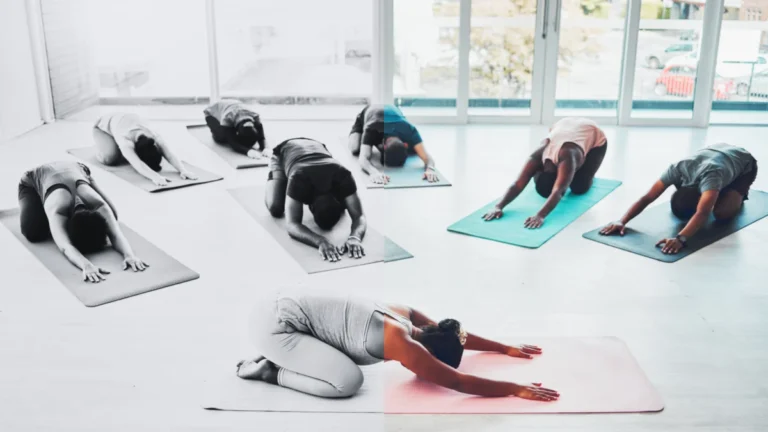
- Child’s Pose as Destination: Spending an entire session in Child’s Pose is a valid practice.
- Time Constraints: A 10-minute session is just as meaningful as a 90-minute class.
- Aesthetic Irrelevance: Practicing in a messy, "un-aesthetic" room does not diminish the practice.
- Flexibility isn’t Required: Being unable to touch your toes is a common starting point, not a barrier to entry.
- Disinterest in Acrobats: Not wanting to learn arm balances or inversions is a personal choice, not a lack of progression.
- Emotional Release: Feeling sadness or frustration while practicing is a normal part of the emotional processing that yoga facilitates.
- Budgeting: You do not need expensive, designer activewear to practice.
- Biological Realities: Gas and other bodily noises are common, human, and acceptable.
- Loss of Balance: Falling out of balancing poses is a fundamental part of learning.
- Sanskrit Isn’t Mandatory: Not knowing the names of every pose does not make a practitioner less "authentic."
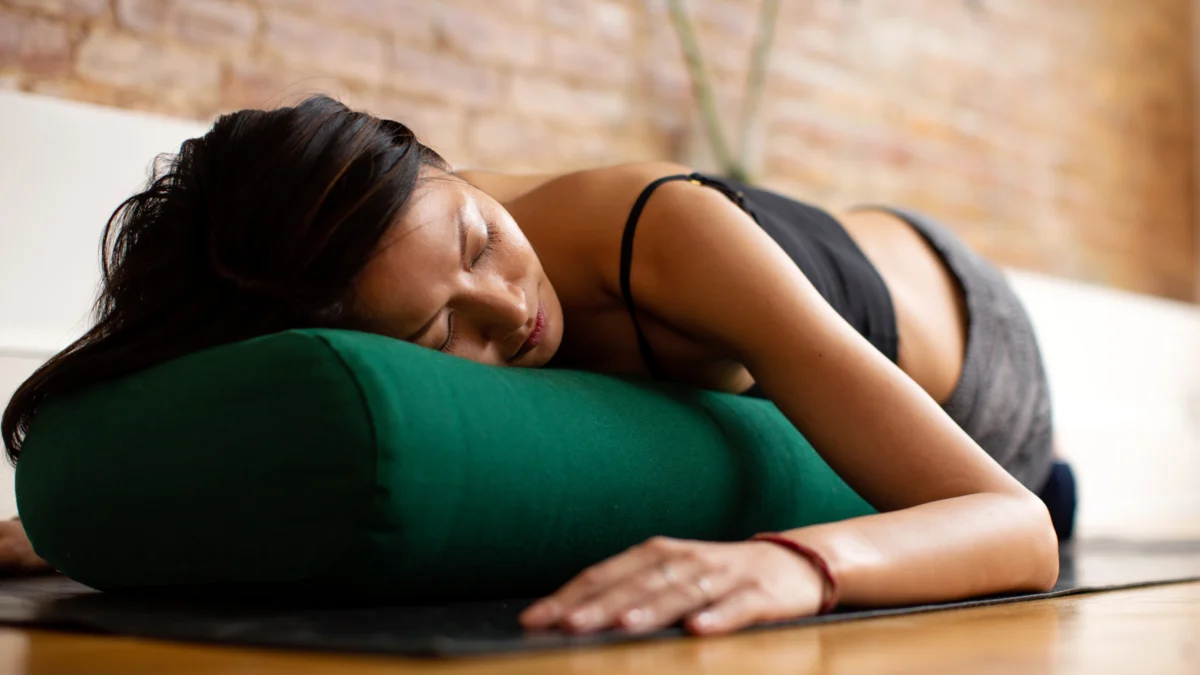
- The Savasana Slumber: Drifting away or even falling asleep during the final relaxation pose is a sign of a body needing rest.
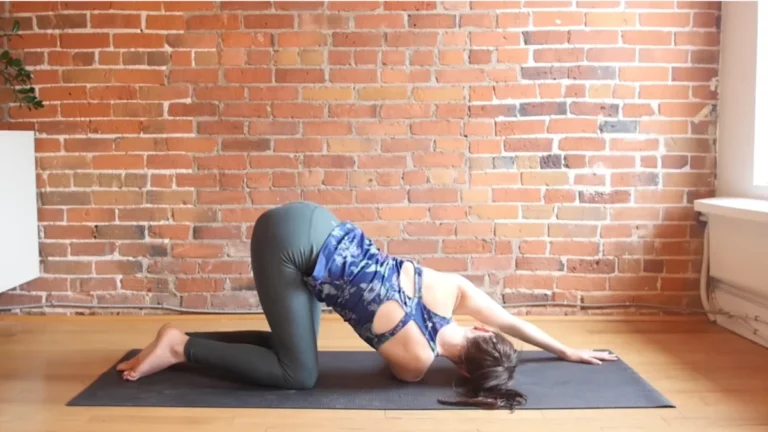
- Comfort Zones: The urge to "shrink" or retreat when a pose becomes uncomfortable is a natural human reaction to stress.
- Personal Satisfaction: Being content with one’s own progress without the need for high-intensity gym validation.
- Incremental Progress: Celebrating small, subtle changes in body awareness is the essence of yoga.
- Inconsistency: Taking months off from the mat is a common cycle in a long-term relationship with yoga.
- Presence vs. Performance: Continuing to practice while feeling difficult emotions is a mark of a dedicated practitioner.
- Long-Term Breaks: Even yoga teachers take years-long breaks; the practice is always there to return to.
- Seeking Support: Needing an assist or physical support in balancing poses is standard.
- Prop Dependency: Using props in every single practice is a smart, supportive choice.
- Resistance: Choosing to stay in bed instead of going to class is a universal struggle.
- Personal Preferences: Disliking certain poses, such as Shoulderstand, is perfectly fine.
- The Love of the Practice: Being "in love" with yoga is the only prerequisite that matters.
Implications for the Future of Wellness
The movement toward an authentic, un-curated practice has significant implications for the wellness industry. As the novelty of the "perfect aesthetic" wears off, practitioners are gravitating toward communities that prioritize mental health, accessibility, and inclusivity over physical achievement.
This shift suggests that the future of yoga lies in its ability to meet people where they are. By lowering the barrier to entry and validating the messy, imperfect, and human elements of the practice, the community can ensure that yoga remains a tool for healing rather than a source of stress or inadequacy. The message is clear: let go of how it looks, and embrace how it feels. In doing so, we move closer to the true purpose of the ancient tradition—a state of union between the body, the mind, and the present moment.