










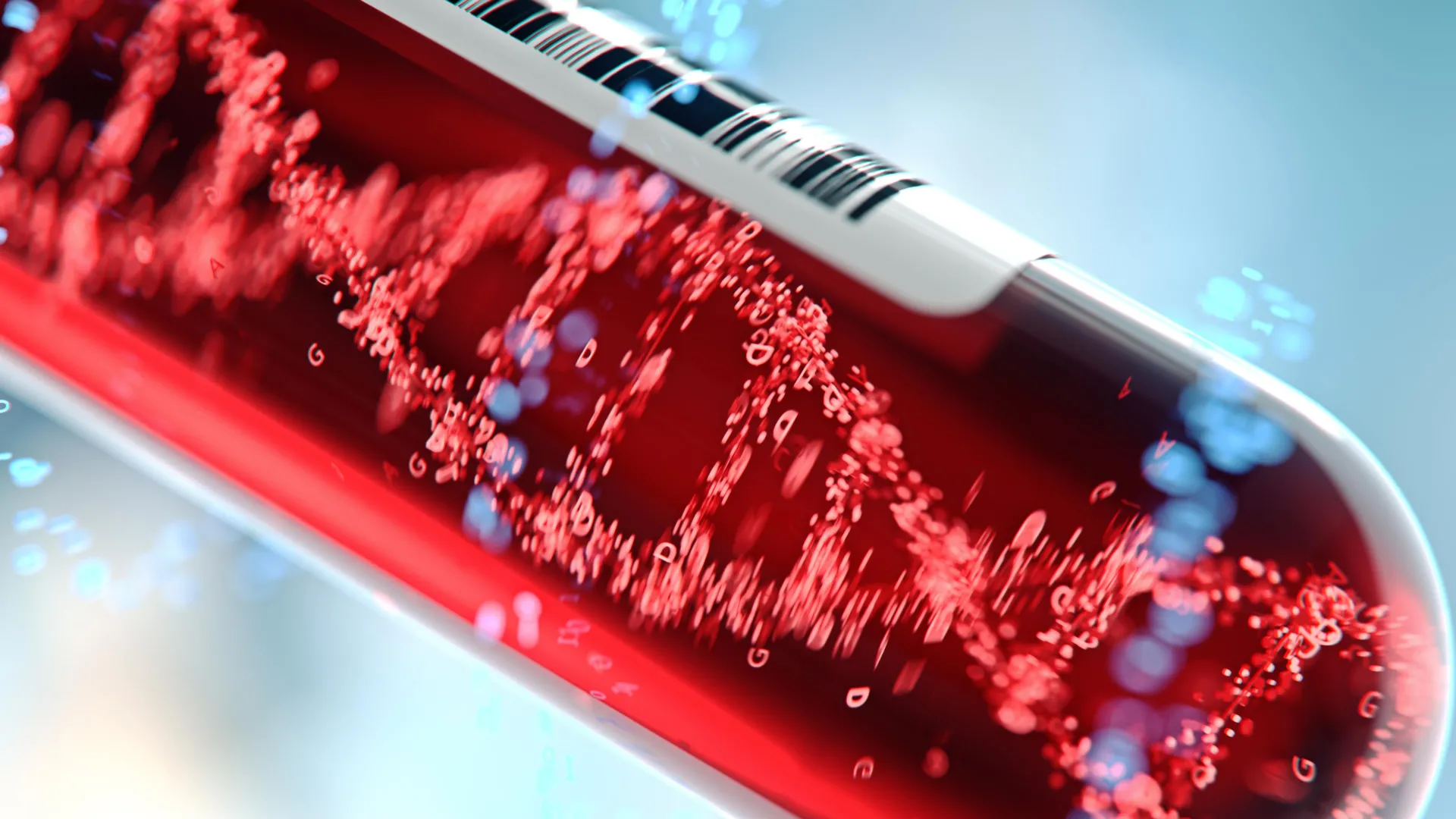
In the quest for earlier disease detection, the medical community has long sought the "holy grail" of diagnostics: a simple, affordable, and non-invasive blood test capable of screening for multiple cancers and organ pathologies simultaneously. Researchers at UCLA have taken a significant stride toward this goal with the development of "MethylScan," a novel diagnostic technique that analyzes cell-free DNA (cfDNA) to provide a comprehensive snapshot of systemic health.
Published in the Proceedings of the National Academy of Sciences, this breakthrough could fundamentally shift the paradigm of preventive medicine, moving away from reactive, symptom-based diagnosis toward a proactive, "health radar" approach that identifies cellular distress before it manifests as clinical illness.
The Science of the "Liquid Biopsy"
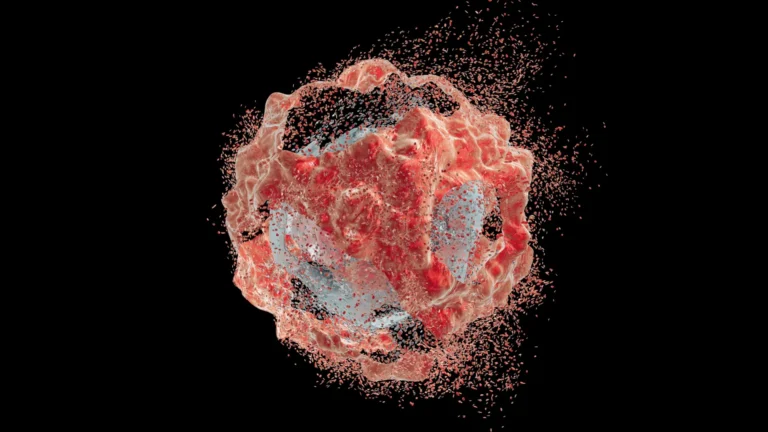
The human body is in a constant state of turnover. Every day, between 50 and 70 billion cells reach the end of their lifecycle and die. As these cells undergo apoptosis or necrosis, they shed fragments of their genetic material—cell-free DNA—into the bloodstream. For years, scientists have recognized that these floating genetic archives contain the secrets of the body’s internal health, a concept often referred to as a "liquid biopsy."
While traditional liquid biopsies have focused on detecting specific gene mutations associated with tumors, these methods are often hampered by high costs and a limited scope. Identifying the faint, mutated DNA of an early-stage tumor amidst the vast sea of healthy genetic material is akin to finding a needle in a haystack, requiring expensive, deep sequencing to achieve diagnostic accuracy.
The UCLA team, led by Dr. Jasmine Zhou and Dr. Wenyuan Li, pivoted away from the search for mutations. Instead, they focused on DNA methylation—chemical modifications (methyl groups) that attach to DNA and act as a regulatory switch for gene activity. Crucially, different tissues—be it liver, lung, or ovarian—possess unique "methylation signatures." When cells become cancerous or diseased, these patterns shift. By reading these molecular fingerprints, researchers can determine not only the presence of a disease but also its tissue of origin.
Overcoming the Noise: The MethylScan Innovation
The primary hurdle in cfDNA analysis is the "background noise." Approximately 80% to 90% of all cell-free DNA circulating in the blood originates from normal, healthy blood cells. This overwhelming volume of "healthy" DNA masks the rare, abnormal fragments associated with early-stage cancer, forcing clinicians to use costly sequencing methods to distinguish signal from noise.
To overcome this, the UCLA researchers engineered a sophisticated filtering process. Before sequencing, they utilize specialized enzymes to selectively excise unmethylated DNA fragments—the "junk" DNA that primarily stems from blood cells. Following this, they employ a genome-wide hybridization panel to enrich the sample for methylated DNA specifically derived from solid organs.
This refinement is transformative. By stripping away the background noise, the test requires significantly less sequencing depth to maintain high sensitivity. The researchers report that an effective sequencing depth of 300x can be achieved with just 5 gigabytes (Gb) of data. Given current industry standards, if sequencing costs remain under $4 per gigabyte, the total data cost for the assay drops below $20—a price point that makes widespread population screening a tangible possibility for the first time.
Clinical Validation: Putting MethylScan to the Test
The efficacy of MethylScan was evaluated in a robust cohort of 1,061 participants. The study was intentionally diverse, encompassing healthy individuals, patients with benign lung nodules, and patients diagnosed with various pathologies, including liver, lung, ovarian, and stomach cancers, as well as chronic liver conditions like hepatitis B, hepatitis C, and alcohol-related liver disease.
Key Data Insights:
- Cancer Detection: At a 98% specificity rate—meaning the test rarely produced false positives—MethylScan identified roughly 63% of cancers across all stages. Notably, it detected approximately 55% of early-stage cancers, a critical metric given that survival rates plummet once tumors metastasize.
- High-Risk Monitoring: The test showed exceptional promise in monitoring patients at high risk for liver cancer. Among those with liver cirrhosis or hepatitis B, the test flagged nearly 80% of liver cancer cases with a false-positive rate of less than 10%.
- Differentiation: Beyond cancer, the test demonstrated a high degree of precision in distinguishing between different forms of liver disease. Researchers successfully classified approximately 85% of patients with varying liver conditions, such as viral hepatitis versus metabolic-associated liver disease.
Official Perspectives: The Path to Clinical Integration
The research team, which includes co-first authors Weihua Zeng, Shuo Li, and Yonggang Zhou, emphasizes that this technology is more than just a cancer screening tool; it is a diagnostic platform.
"Early detection is crucial," says Dr. Jasmine Zhou, professor of pathology and laboratory medicine at the UCLA Health Jonsson Comprehensive Cancer Center. "Survival rates are far higher when cancers are caught before they spread. If you detect cancer at stage one, outcomes are dramatically better than at stage four."
Dr. Wenyuan Li echoes this sentiment, highlighting the utility of the test’s specificity. "Being able to trace signals back to their source is important because a positive blood test needs to be followed by imaging or other diagnostic procedures directed at the right organ," he explains.
By providing a tissue-specific readout, MethylScan avoids the "diagnostic odyssey" that often follows a vague positive test result. Instead of ordering a full-body scan, a physician receiving a positive MethylScan result would know exactly which organ requires further investigation, significantly streamlining the path to treatment.
Implications for Future Healthcare
The implications of the MethylScan technology are far-reaching. Currently, many diseases—particularly those affecting internal organs—are only discovered after they have reached an advanced, symptomatic stage. By providing a low-cost, multi-organ "radar," this method could shift the entire medical system toward a preventative model.
1. Reducing Invasive Procedures
For patients with chronic liver disease, monitoring for cancer or disease progression currently often requires invasive liver biopsies. A blood-based test that can differentiate between inflammatory conditions and cancerous shifts could drastically reduce the need for these painful, risky procedures, while simultaneously providing more frequent, longitudinal data on the patient’s condition.
2. The "Universal Assay" Dream
While the current results are encouraging, the researchers are careful to note that larger, prospective trials are essential to validate the test’s performance in real-world clinical settings. The goal is to move beyond the experimental phase and toward a standard clinical assay that could be integrated into annual physical exams.
"This study demonstrates that blood-based methylation profiling can deliver clinically meaningful information across multiple diseases," Dr. Zhou concludes. "It’s an exciting advancement that brings us closer to realizing the dream of a single assay for universal disease detection."
A New Horizon in Diagnostics
As healthcare systems grapple with the rising costs of chronic disease and cancer treatment, technologies like MethylScan offer a pathway toward greater efficiency and improved patient outcomes. By turning the blood into a window through which we can view the health of every major organ, UCLA researchers have not only provided a new tool for the clinician’s kit but have also challenged the conventional limits of diagnostic science.
While it may be some time before a "universal blood test" is available at every local clinic, the technical success of MethylScan confirms that the information necessary for early diagnosis is already circulating within us. We have finally developed the means to read it.
This research was supported in part by grants from the National Cancer Institute. The study, titled "Genome-wide cell-free DNA methylation signatures for multi-cancer and multi-organ disease detection," marks a milestone in molecular diagnostics and sets the stage for a new generation of non-invasive, high-precision screening technologies.