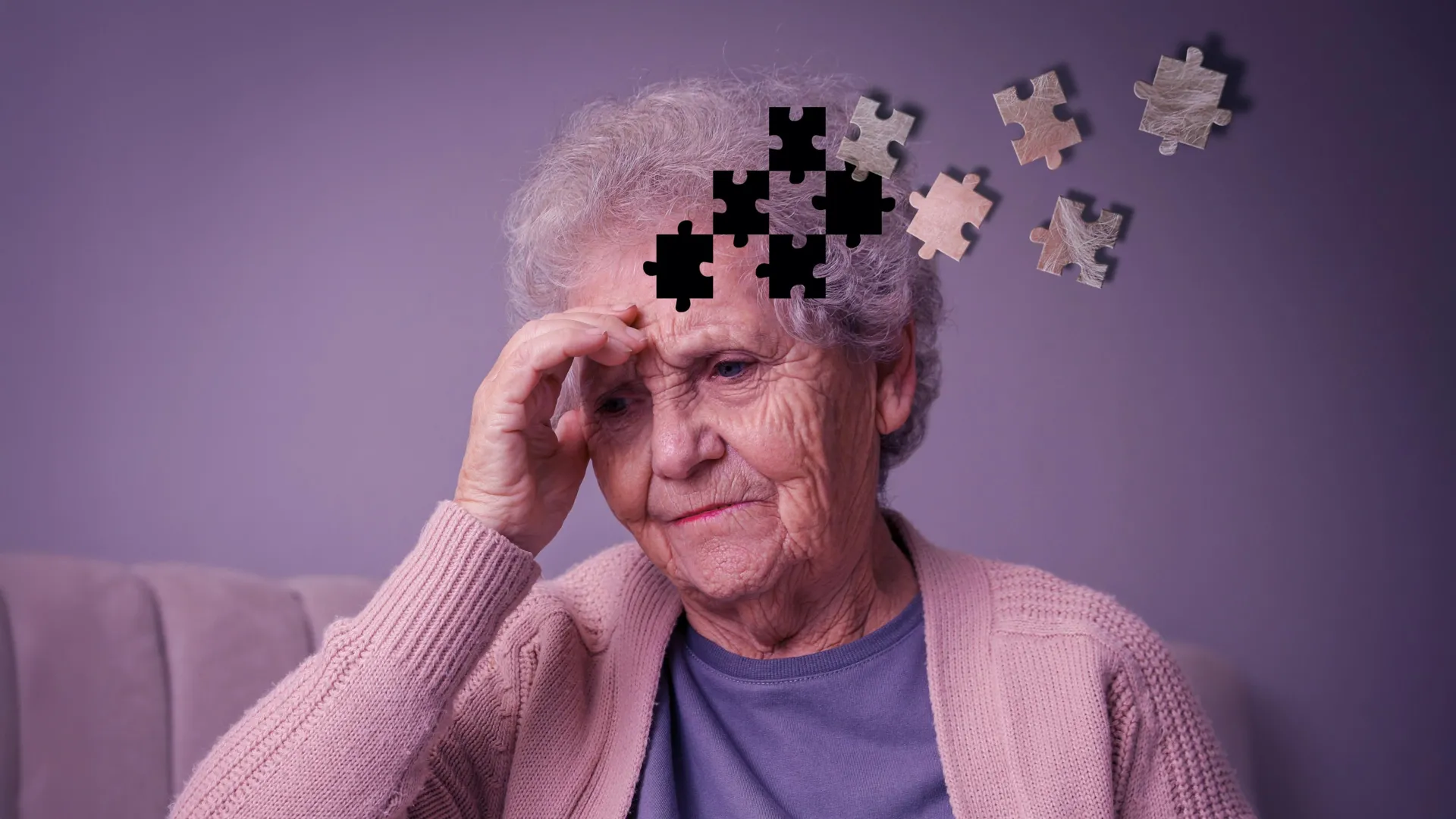
For decades, the medical community has grappled with a stark, unsettling reality: women are significantly more likely to develop Alzheimer’s disease and other forms of dementia than their male counterparts. While longevity has long been the primary scapegoat for this disparity—given that women tend to outlive men—new, groundbreaking research suggests the answer is far more complex. A study published on May 19, 2026, in the journal Biology of Sex Differences indicates that the biological and lifestyle factors driving cognitive decline do not impact men and women with equal force. Instead, women may be biologically more vulnerable to the cognitive fallout of common, modifiable health risks.
The Study: Redefining Risk Through a Gendered Lens
Conducted by researchers at the University of California San Diego School of Medicine, the study analyzed health data from more than 17,000 middle-aged and older adults. By examining 13 established dementia risk factors—ranging from cardiovascular health to socioeconomic indicators—the team sought to determine whether the "weight" of these risks is distributed differently between the sexes.
The findings are a clarion call for a shift in how we approach preventative neurology. The research team, led by first author Dr. Megan Fitzhugh and senior author Dr. Judy Pa, found that while men and women may share the same list of risk factors, the impact on their respective cognitive health is far from uniform. Some factors, it appears, hit women with significantly greater intensity, accelerating cognitive decline in ways that remain largely overlooked by traditional, one-size-fits-all medical guidelines.
Chronology of Discovery: From Observation to Analysis
The journey toward these findings began with the sobering statistics surrounding the current Alzheimer’s crisis. With nearly seven million Americans currently living with the disease, and women accounting for nearly two-thirds of those cases, the urgency for a more granular understanding of risk has never been higher.
- Phase One: Data Aggregation. Researchers utilized information from the Health and Retirement Study, a nationally representative longitudinal study of U.S. adults. By isolating 13 specific variables—including education, hearing loss, smoking, alcohol consumption, obesity, depression, physical inactivity, hypertension, and diabetes—the team created a comprehensive baseline for analysis.
- Phase Two: Comparative Analysis. The team performed a side-by-side comparison of cognitive performance markers across genders. They noted that while men and women both struggled with high rates of hypertension and obesity—with roughly six out of 10 participants presenting with high blood pressure—the outcomes associated with these conditions diverged sharply.
- Phase Three: Identifying the "Impact Gap." The researchers discovered that for women, conditions such as hypertension and elevated body mass index (BMI) were linked to steeper, more profound declines in cognitive performance. Even when hearing loss and diabetes were more prevalent in the male cohort, their correlation to lower cognitive scores was statistically stronger in the female cohort.
Supporting Data: The Anatomy of the Risk Profile
The data paints a nuanced picture of how modern health issues interact with the female brain. While men and women share many of the same physiological challenges, the "dosage" of the impact differs.
The Cardiometabolic Link
Cardiovascular and metabolic health emerged as a critical battleground. The study found that women with hypertension and higher BMI levels experienced more severe negative associations with their cognitive function than men with the same health profiles. This suggests that the female brain may be more sensitive to the vascular damage or inflammation caused by these conditions.
The Disparity of Modifiable Factors
The study categorized risks into areas that are potentially addressable through medical intervention and lifestyle changes:
- Education: Lower educational attainment was noted as a risk factor, and the study found women in the sample had slightly lower average educational attainment, creating an early-life vulnerability.
- Lifestyle Factors: Depression and physical inactivity were identified as areas where targeted intervention could potentially yield the highest dividends for women.
- Sensory and Chronic Disease: Hearing loss and diabetes were confirmed as potent threats to cognition. The research highlights that even when these conditions are "managed," the lingering cognitive toll is heavier for women, necessitating earlier and more aggressive screenings.
Official Perspectives: Shifting the Paradigm
The research team at UC San Diego is emphatic: the era of "gender-blind" medicine must come to an end. Dr. Megan Fitzhugh, assistant professor of neurosciences and first author of the study, argues that prevention efforts are currently operating on incomplete data.
"Looking beyond which risk factors are most common, we found that some have a disproportionately larger impact on women’s cognition," Dr. Fitzhugh stated. "This suggests that prevention efforts may be more effective if they are tailored not just to risk factor prevalence, but to how strongly each factor affects cognition in women versus men."
Dr. Judy Pa, professor of neurosciences and the study’s senior author, emphasized the broader implications for the field of precision medicine. "These differences highlight the importance of considering sex as a key variable in dementia research," she noted. "Sex differences are profoundly overlooked among many leading causes of death like Alzheimer’s, heart disease, and cancer."
The researchers argue that by ignoring the biological and social nuances of gender, current medical practices may be missing the "golden window" for intervention—a period where lifestyle modifications or pharmaceutical treatments could prevent or delay the onset of dementia.
Implications for Public Health and Personal Care
The implications of this research are twofold: they demand a change in clinical practice and offer a roadmap for personalized health management.
Moving Toward Precision Prevention
The researchers advocate for a transition toward "precision prevention." This involves moving away from generalized advice—such as broad warnings about heart health—toward targeted, gender-specific health goals. For women, this may mean a more rigorous screening schedule for hypertension, a more aggressive approach to treating depression, and an increased emphasis on cognitive-reserve-building activities earlier in the lifespan.
The Need for Further Inquiry
While the findings are robust, the researchers caution that they are only the beginning of a larger investigation. They have identified several potential, yet unproven, pathways that might explain these discrepancies:
- Hormonal Fluctuations: The role of estrogen and the transition through menopause as a potential "trigger" or accelerator for cognitive decline.
- Genetic Predisposition: Potential interactions between sex-linked genes and the risk factors identified.
- Social and Structural Inequity: The impact of systemic healthcare access, the "double burden" of caregiving and professional life, and how these stressors differentially impact the female brain.
A Future-Oriented Strategy
The study concludes with a message of hope. Because many of the risk factors identified are "modifiable"—meaning they are within the reach of medical and lifestyle intervention—the findings offer a genuine opportunity to lower the incidence of dementia.
"Ultimately, a more nuanced understanding of these differences could help us design smarter, more targeted interventions," said Dr. Fitzhugh. "That’s an essential step toward reducing the burden of dementia for everyone, but especially for women, who are disproportionately affected."
As the scientific community digests these findings, the path forward appears clear. To combat the Alzheimer’s crisis, we must look at the patient not as a monolith, but as an individual whose biological identity, shaped by sex, plays a critical role in their neurological future. By refining our diagnostic tools and personalizing our preventative strategies, we may finally be able to close the gender gap that has defined the Alzheimer’s narrative for far too long.
The study, titled "Sex differences in modifiable risk factors of dementia and their associations with cognition," was funded by the National Institute on Aging (RF1AG088811, PI: Pa) and the Alzheimer’s Association (SAGA23-1141238, PI: Pa). The authors reported no conflicts of interest.