Published: June 26, 2026
For years, the dual life of an English professor and Yoga Teacher Training (YTT) lead instructor offered a unique window into the evolution of student expression. It was a career defined by the joy of witnessing intellectual and physical growth. Grading homework, often viewed as a tedious academic necessity, became a genuine highlight—particularly in the YTT, where the curriculum demanded not just technical proficiency in asanas, but deep, internal reflection.
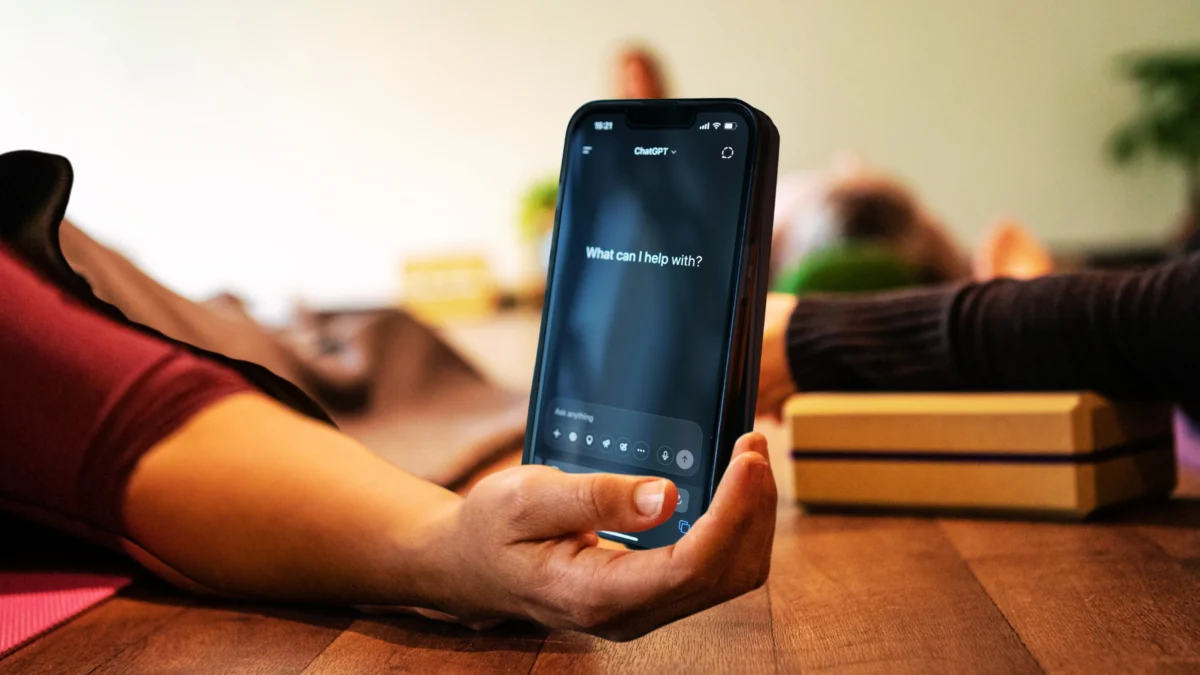
However, the landscape of pedagogy shifted irrevocably with the widespread adoption of generative AI tools like ChatGPT in late 2022. As the digital age collided with the ancient, embodied practice of yoga, instructors found themselves facing an unexpected ethical dilemma: how does one teach a discipline predicated on presence and self-awareness when the primary method of reflection is being outsourced to an algorithm?
The Shift: From Personal Reflection to Algorithmic Output
In the traditional YTT model, student assessment is bifurcated. A significant portion of the grade rests on the practical application of teaching sequences. The remaining portion relies on written reflections—short essays answering prompts such as, “What Sanskrit word would you like to remember from today’s reading and why?” or “Describe your internal reaction to this afternoon’s practice.”
For years, these responses were a goldmine of human experience. Students wrote with vulnerability, sharing their struggles with physical discomfort, their epiphanies regarding yogic philosophy, and their evolving relationships with their own bodies. Then, the integration of AI tools began to manifest in student submissions.
The shift was subtle but unmistakable. Suddenly, students who typically communicated in shorthand, fragmented sentences, or informal lowercase prose began submitting perfectly structured, grammatically flawless essays. The "hallucinations" of the software became apparent: students would reference complex Sanskrit concepts not covered in the curriculum or describe yoga poses that had never been performed in class. The discordance between the student’s known voice and the polished, robotic output created a profound sense of cognitive dissonance for instructors.
Chronology: The Erosion of Academic Integrity
The integration of AI into educational spaces has followed a rapid, often chaotic timeline.
- Late 2022: The public launch of ChatGPT provides students with an immediate tool for content generation, initially used for essay-heavy English courses.
- Early 2023: Educators across all disciplines notice a surge in "perfectly bland" writing, characterized by a lack of personal voice and consistent, generic structure.
- Mid-2023: YTT instructors begin to document discrepancies. The initial reaction is one of denial; educators question their own instincts, fearing that their "gut feeling" about robotic writing is an unfair bias.
- Late 2023 – 2024: The phenomenon moves beyond English composition into the specialized field of yoga training. Instructors recognize that the use of AI in YTT undermines the core objective: building the internal confidence required to lead others.
- 2025 – 2026: A pedagogical pivot occurs. Rather than implementing punitive AI-policing measures, instructors shift toward dialogue-based intervention, emphasizing the necessity of "finding one’s own voice."
The Ethical Quandary: Stealing from the Self
At the heart of the issue is the yogic concept of asteya, or non-stealing. In a classroom context, this is often interpreted as not stealing the ideas or work of others. However, the use of AI for self-reflection introduces a new, darker layer of asteya: the act of stealing from one’s own growth.
When a student uses AI to generate a reflection on their yoga journey, they are effectively robbing themselves of the opportunity to process their experiences. Yoga is fundamentally an act of self-discovery. By bypassing the discomfort of articulating one’s own thoughts, the student avoids the very vulnerability that yoga is meant to cultivate.
The instructor’s dilemma is compounded by the fact that YTT is a voluntary endeavor. Unlike core English requirements—which students are often forced to take—individuals enroll in YTT by choice. They are seeking to become teachers. The irony of using a machine to write about the "authentic" experience of teaching is not lost on the faculty, who often find themselves feeling personally offended on behalf of the discipline.
Supporting Data and Observations: The "AI Signature"
While AI detectors are notoriously unreliable, seasoned educators have identified a "signature" of AI-generated work that defies traditional rubric evaluation. Key indicators include:
- Over-Generalization: A reliance on broad, inspirational platitudes that lack specific, personal anecdotes.
- The "Hallucination" Factor: References to terminology or sequences that were never taught, indicating the AI is pulling from a general database of yoga knowledge rather than the specific classroom experience.
- Linguistic Mismatch: A sudden, inexplicable shift in the student’s writing style, moving from organic, flawed prose to a sterile, formal tone.
- Lack of Emotional Resonance: The inability of the text to convey genuine struggle or growth, which is typically the hallmark of a student engaging with their own nervous system.
These markers do not constitute definitive proof of academic dishonesty, but they serve as a catalyst for conversation. The challenge for instructors is to address these discrepancies without fostering an environment of permanent, toxic suspicion.
The Human Response: Moving Beyond Policing
The instinct to act as "AI police" is a common response for many educators, yet it is ultimately counterproductive to the goals of a teacher training program. Punitive measures—such as failing students for suspected AI use—often escalate tension and damage the student-teacher relationship, which is the cornerstone of yoga mentorship.
Instead, a more effective, "yogic" approach involves radical transparency and the offering of grace. When an instructor identifies a suspect assignment, the conversation is framed not as an accusation, but as an invitation.
"This doesn’t sound like you," is a powerful, non-confrontational opening. By explicitly stating that the grade is not dependent on grammatical perfection, but on the authenticity of the thought, the instructor lowers the stakes. When the pressure to perform is removed, students often admit to their struggles—be it time management, anxiety, or a simple lack of confidence in their own voice.
This approach transforms the instructor from a judge into a mentor. Many students, when offered a "redo" with the mandate to use their own words, return with significantly improved, deeply personal reflections. The relief in the classroom is palpable, signaling a shift from a transactional relationship to a transformational one.
Implications: The Future of Embodied Learning
The long-term implications of this technological shift are profound. If we allow AI to infiltrate the process of reflection, we risk training a generation of yoga instructors who are technically proficient in their poses but disconnected from their own internal guidance systems.
Yoga is a practice of direct experience. A teacher who cannot articulate their own journey—without the mediation of a chatbot—will inevitably struggle to guide their own students through the complexities of the human condition. When a yoga teacher stands at the front of a room, they are alone with their students. There is no AI to assist with the nuances of a difficult class, the challenges of a student in pain, or the subtle energy of a room.
Trusting the Self
The ultimate goal of YTT is to build self-trust. If a student cannot trust their own writing, how can they trust their own intuition during a teaching sequence? The pedagogical shift toward prioritizing authentic, imperfect, and messy human expression is a direct counter-movement to the sterile efficiency of AI.
The future of yoga education must prioritize the "human voice" as a core competency. This means:
- De-emphasizing written perfection: Valuing raw, unpolished entries over AI-curated essays.
- Encouraging oral reflection: Shifting some assessment from written work to group discussions or verbal check-ins, where the spontaneity of thought is harder to fabricate.
- Focusing on Nervous System Regulation: Recognizing that the urge to use AI is often a symptom of anxiety or burnout, and addressing those root causes through mindfulness practices rather than disciplinary action.
Ultimately, the battle against AI in the classroom is not about technology; it is about the preservation of the human spirit. If the yoga studio is to remain a sanctuary for genuine self-discovery, we must hold space for our students to be imperfect, to be messy, and most importantly, to be entirely, unmistakably themselves. Confidence is not something that can be downloaded; it is something that must be earned, one honest word at a time.