In an era defined by rapid technological advancement and constant sensory bombardment, the quest for physical and mental equilibrium has become a central pillar of modern wellness. While the contemporary health market is flooded with quick-fix cleanses, juice fasts, and radical dietary restrictions, one ancient tradition remains the gold standard for detoxification: Panchakarma. Rooted in the millennia-old science of Ayurveda, this holistic practice offers a sophisticated, deeply personalized approach to cleansing that addresses the root causes of imbalance rather than merely masking the symptoms.
The Philosophical Foundations of Ayurveda: A Path of Wellness
Ayurveda is far more than a medicinal system; it is often described as the "science of life" and an art form that teaches humanity how to live in graceful harmony with the environment. As the renowned Ayurvedic teacher Vasant Lad, BAM&S, MASc, frequently emphasizes, "You are the world and the world is you." This perspective posits that the human body is a microcosm—a mirror reflecting the greater macrocosm of the universe.
Consequently, every facet of our existence—our nutritional choices, stress levels, professional environment, relationships, and even our exercise habits—impacts our physiological and spiritual health. In the Ayurvedic framework, health is not merely the absence of disease but a harmonious alignment of the body, mind, and spirit. To maintain this state, detoxification is not viewed as a sporadic trend but as a fundamental, ongoing practice of wellness.
Two Pillars of Ayurvedic Healing
Ayurvedic practitioners categorize healing methods into two primary modalities:
- Shamana (Palliative Support): This involves pacifying the doshas (the bio-energetic forces of Vata, Pitta, and Kapha) through lifestyle adjustments. This includes following a routine, engaging in yoga and pranayama, maintaining a balanced diet based on individual constitution, and ensuring restorative sleep.
- Shodhana (Cleansing): This is the process of deep detoxification. By cleansing the deeper tissues, practitioners ensure that the body’s channels (srotas) remain clear, allowing for the unobstructed flow of prana—the essential life force—which is necessary to maintain a state of sustained balance.
What is Panchakarma? Defining the Gold Standard
A simple internet search for "detox" yields countless results, from parasite cleanses to water fasts. While these modern methods can offer a temporary sense of lightness by giving the gastrointestinal tract a break, they often fail to address the underlying accumulation of toxins.
In Ayurveda, this buildup of toxins is known as ama. When our sensory organs are overwhelmed, we shift from our prakruti (our natural, balanced state of health) to our vikruti (a state of imbalance). Panchakarma is unique because it is an intensely personalized science. Because no two individuals share the same constitution, no two cleanses can be identical in their application or impact.
The Mechanism of Deep Tissue Cleansing
Unlike standard juice fasts that primarily focus on the digestive tract, Panchakarma utilizes a multi-dimensional approach to pull ama from deep within the tissues, bringing it back into the digestive system for elimination. This process utilizes a specific combination of:
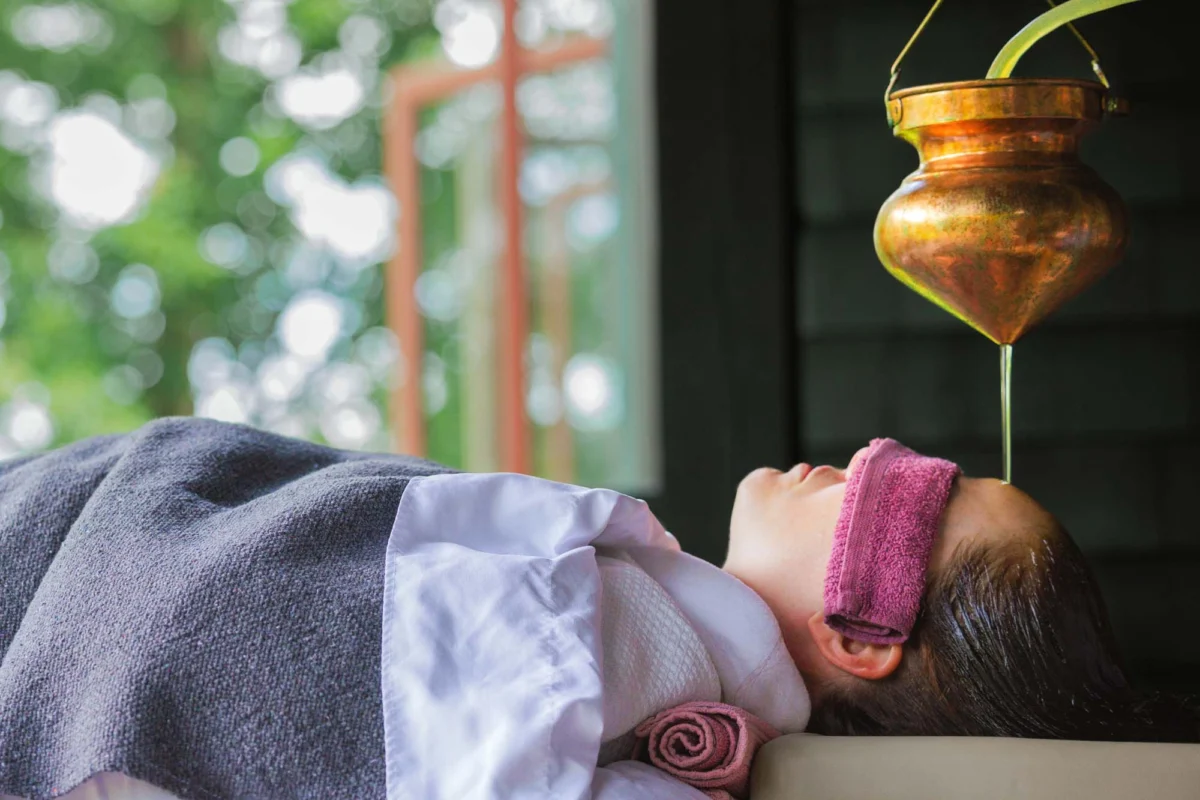
- Abhyangas: Medicated oil massages that penetrate the skin to loosen toxins.
- Bastis: Specialized therapeutic enemas.
- Topical Treatments: Tailored therapies designed to support specific organ systems and tissue states.
Because of this systemic approach, the sensation of lightness experienced during a Panchakarma retreat is typically realized toward the end of the process, marking the successful clearance of deep-seated metabolic waste.
The Chronology of the Cleansing Process
The journey of a Panchakarma client is not a sudden transition but a carefully curated timeline designed to ensure safety and efficacy.
1. Preparation (Purvakarma)
Before the primary cleansing occurs, the body must be prepared. This involves "oiling" the body internally and externally to soften the tissues and mobilize the toxins. This stage is crucial; without it, the body may be too brittle or reactive to withstand the deep detoxification process.
2. Active Cleansing (Pradhana Karma)
This is the core phase of Panchakarma, involving the administration of treatments that flush the mobilized toxins out of the system. This stage is conducted under the strict supervision of an Ayurvedic practitioner, as the process is highly reactive and requires constant monitoring.
3. Post-Cleansing Rejuvenation (Paschat Karma)
Once the toxins are removed, the body is left in a sensitive state. The final stage involves Rasayana (rejuvenation), where the practitioner prescribes specific diets and herbal protocols to rebuild the body’s strength and digestive fire (agni), ensuring the individual emerges more resilient than before the cleanse.
Supporting Data: Why Personalization Matters
The efficacy of Panchakarma is supported by the theory that human physiology is dynamic. Modern wellness often relies on a "one-size-fits-all" approach, but Ayurveda recognizes that environmental, seasonal, and constitutional factors change the requirements of the body.
Practitioners advise that for most individuals, undergoing a cleanse at the turn of each season—approximately two to three times per year—is ideal. This cadence allows the body to stay ahead of doshic imbalances, effectively preparing the biological system for the transition from one season to the next. However, the data suggests that these cleanses must be timed according to the individual’s current strength, which is why diagnostic assessments by a qualified practitioner are non-negotiable.
Official Perspectives: The Role of the Practitioner
The nuance required to execute a successful Panchakarma retreat is immense. It is not a program that can be safely self-administered. A trained Ayurvedic practitioner serves as a vital guide, monitoring the client daily to ensure that the removal of ama is occurring at a safe, sustainable pace.
At institutions like The Ayurvedic Institute, the training of practitioners goes beyond the memorization of classical texts. Students are taught to observe the clinical work of masters like Vasant Lad in environments such as the SoHum Mountain Healing Resort in Asheville, NC, or the Vasanta Institute of Ayurveda in Pune, India.
The "Art" of Healing
The official stance of the Ayurvedic community is that a practitioner’s success is measured by their ability to hold the client in awareness. This involves:
- Compassion and Grace: Understanding the psychological and emotional release that often accompanies physical detoxification.
- Intuitive Assessment: Recognizing the subtle shifts in a client’s state that might necessitate an adjustment in treatment.
- Ethical Responsibility: Recognizing that the client is a partner in the healing process, and that the relationship between practitioner and patient is sacred.
Implications for Modern Health
The growing interest in Panchakarma signals a shift in the global wellness industry. Consumers are moving away from surface-level health trends and toward comprehensive, root-cause healing.
Long-term Health Benefits
- Digestive Restoration: By recalibrating the agni (digestive fire), individuals often find they can process nutrients more efficiently long after the retreat concludes.
- Mental Clarity: By clearing the physical channels, the mind often experiences a corresponding sense of calm and increased focus.
- Preventative Resilience: By addressing minor imbalances before they manifest as chronic disease, Panchakarma serves as a primary tool for longevity.
Conclusion: A Call to Conscious Living
Panchakarma is not merely a detox; it is a profound commitment to self-knowledge. In a world that often demands we ignore our body’s signals, this ancient science offers a path back to our prakruti. Whether you are looking to recover from chronic stress, improve your digestive health, or align your lifestyle with the rhythms of nature, the wisdom of Ayurveda offers a time-tested roadmap.
For those seeking to explore this path, the journey begins with finding a qualified practitioner who understands that true healing is as much an art as it is a science. As we learn to treat our bodies with the care and grace they deserve, we don’t just detoxify; we reclaim our ability to live in harmony with the world around us.
For more information on professional training programs, visit The Ayurvedic Institute’s admissions inquiry portal. To inquire about personal retreats and the Panchakarma process, please consult the resources available through the SoHum Mountain Healing Resort.