










In the modern wellness landscape, the term "detox" has become ubiquitous. From charcoal-infused juices to rigid three-day water fasts, the promise of a "reset" has captured the public imagination. However, beneath the marketing veneer of contemporary fads lies an ancient, sophisticated medical science that has been refining the art of purification for thousands of years: Ayurveda. At the pinnacle of this tradition sits Panchakarma, a rigorous and highly individualized detoxification process that is increasingly being recognized by integrative health experts as the "gold standard" of holistic rejuvenation.
Main Facts: The Foundations of Ayurvedic Healing
Ayurveda, often translated as the "Science of Life," is not merely a collection of dietary tips; it is a comprehensive framework for living in harmony with one’s environment. As the renowned Ayurvedic physician Vasant Lad, BAM&S, MASc, famously asserts, "You are the world and the world is you." This perspective posits that the human body is a microcosm of the universe. Every facet of our existence—our diet, our social relationships, our work environment, and even the changing seasons—exerts a tangible impact on our physiological and psychological state.
In this system, health is defined by the equilibrium of the body, mind, and spirit. When this balance is disrupted, it leads to vikruti, a state of departure from our natural, healthy baseline (prakruti). To restore this, Ayurveda employs two primary healing methodologies:
- Shamana (Palliative Support): This involves managing imbalances through lifestyle adjustments, including yoga, pranayama (breathwork), appropriate nutrition, and disciplined daily routines.
- Shodhana (Cleansing): This is the domain of Panchakarma. While Shamana manages symptoms, Shodhana aims to remove the root cause by flushing toxins, or ama, from the deepest tissues of the body, ensuring the unobstructed flow of prana (life force).
Chronology of the Panchakarma Process
Panchakarma is not an overnight fix; it is a structured, multi-phase clinical journey that requires patience and professional oversight. Unlike modern "quick-fix" cleanses that focus primarily on the gastrointestinal tract, the chronological progression of a Panchakarma retreat is deeply systemic:
Phase I: Preparation (Purvakarma)
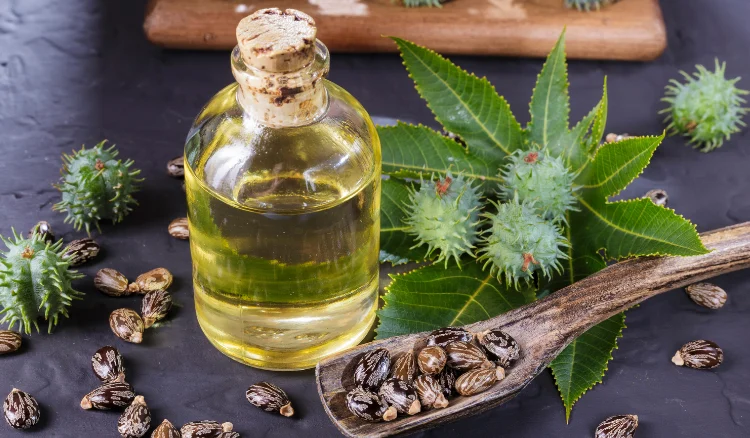
Before any detoxification occurs, the body must be prepared. This involves Snehana (oleation) and Swedana (sweat therapy). By consuming specific medicated ghees and undergoing daily oil massages (abhyangas), toxins trapped in the deep tissues are loosened and mobilized. This phase ensures that the body is structurally prepared to release ama without overwhelming the system.
Phase II: The Core Cleanse (Pradhana Karma)
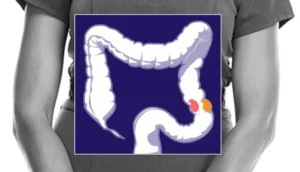
Once the toxins are mobilized into the digestive tract, the core treatments begin. These are the five (pancha) actions (karma) that define the therapy. Depending on the individual’s constitution, this may include specialized enemas (bastis), nasal administration of oils (nasya), or other targeted therapies designed to systematically eliminate the loosened toxins.
Phase III: Restoration (Paschatkarma)
Post-cleanse, the body is delicate, much like an empty vessel. The restoration phase focuses on rebuilding agni (digestive fire) through a carefully monitored, light diet. Reintroducing complex foods too quickly is avoided, as the goal is to stabilize the system in its new, cleansed state.
Supporting Data: Why Modern Detoxes Fall Short
The current wellness market offers a vast array of cleanses—juice fasts, intermittent fasting, and various supplement-based protocols. While these may offer a temporary feeling of lightness, they often act only on the surface level of digestion.
Scientific inquiry into these practices reveals a critical distinction: general cleanses often starve the body of nutrients while attempting to "flush" the system. In contrast, Panchakarma is restorative. By utilizing lipid-based therapies (herbal oils and ghee), Ayurveda effectively pulls fat-soluble toxins—which are notoriously difficult to eliminate—out of the deep adipose and connective tissues.
Furthermore, the data regarding seasonal alignment is compelling. Ayurvedic practitioners suggest that the transition between seasons is when the body is most susceptible to imbalance. By scheduling two to three Panchakarma cycles annually, individuals can stay ahead of seasonal stressors, keeping their immune system robust and their doshas aligned with the changing climate.
Official Perspectives: The Role of the Practitioner
The complexity of the human body necessitates that Panchakarma never be attempted as a "do-it-yourself" project. The guidance of a trained Ayurvedic practitioner is non-negotiable.
"How are we holding a client in our awareness?" and "How are we acting from compassion and grace?" These are the questions that define the pedagogy at institutions like The Ayurvedic Institute. Vasant Lad’s approach emphasizes that a practitioner’s role is not just to administer treatments, but to witness the client’s unique process.
Clinical practitioners must monitor the client daily. Because the release of ama can cause emotional and physical shifts, the practitioner acts as a stabilizer, adjusting the oil combinations, massage techniques, or dietary recommendations in real-time. This level of personalization is why a "one-size-fits-all" commercial cleanse cannot replicate the efficacy of a dedicated retreat.
Implications for Holistic Health
The implications of integrating Panchakarma into one’s life extend far beyond simple physical detoxification.
Emotional and Mental Clarity
In the modern world, we are bombarded by sensory input that leads to "mental toxins." By cleansing the physical channels, the mind naturally follows. Many participants report a profound sense of psychological clarity, reduced anxiety, and a renewed capacity for mindfulness following a completed cycle.
Long-Term Prevention
By addressing the buildup of ama before it manifests as chronic disease, Panchakarma serves as a powerful preventative measure. It recalibrates the digestive fire, which is the cornerstone of Ayurvedic health. When agni is strong, the body can assimilate nutrients efficiently and eliminate waste products with ease.
A Shift in Wellness Culture
The rise of retreats at locations like the SoHum Mountain Healing Resort signifies a growing cultural shift. People are moving away from the "no pain, no gain" mentality of extreme dieting and toward a model of restorative, nature-aligned healing. This evolution suggests a future where healthcare is not just about reacting to illness, but proactively maintaining the sanctity of the human organism.
Conclusion: The Path Forward
Panchakarma is not merely a detox; it is a profound act of self-care that requires a commitment to deep listening and transformation. By honoring the body’s need for periodic, systemic renewal, we align ourselves with the rhythmic wisdom of nature.
For those seeking to explore this path, the first step is education. Whether it is through observing the clinical practice of seasoned teachers or embarking on one’s own retreat, the journey into Ayurveda is a journey into the self. In an era of constant distraction and environmental toxicity, reclaiming our natural state of balance through the time-tested wisdom of Panchakarma is not just a luxury—it is an essential strategy for longevity and holistic vitality.
For those interested in the formal study of these ancient techniques, The Ayurvedic Institute offers comprehensive training programs that bridge the gap between classical theory and modern clinical application. To learn more about your potential journey toward becoming a practitioner or to experience a guided retreat, consult with a qualified professional to ensure your path to wellness is both safe and deeply transformative.