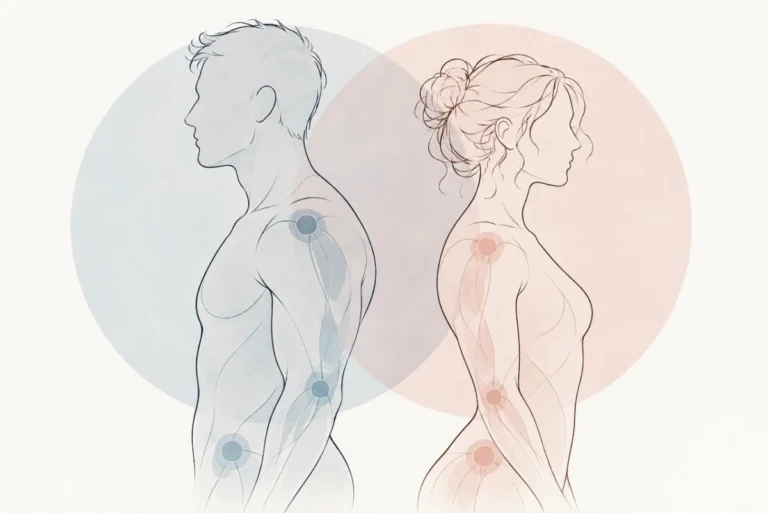
For the estimated millions of people living with hypermobility spectrum disorders (HSD) and Ehlers-Danlos Syndromes (EDS), the advice to "just get stronger" is a double-edged sword. While it is scientifically established that strengthening the musculoskeletal system is vital for joint support, the conventional fitness industry’s "no pain, no gain" ethos often leads to injury, chronic fatigue, and neurological flares in those whose connective tissues lack the standard structural integrity.
Recent clinical research confirms that individuals with hypermobility generate roughly 30% less muscular force at baseline than their non-hypermobile counterparts. In a body where tendons, ligaments, and fascia are lax, the burden of stability falls almost entirely on the muscles. However, when these muscles are undertrained—or worse, overtrained using standard protocols—the result is a cycle of instability and pain. The solution lies not in avoiding exercise, but in adopting the "Goldilocks Principle": finding the precise, moderate sweet spot of intensity and volume that allows for adaptation without overwhelming the nervous system.
The Biological Reality: Why "Bendy" Bodies Require a Different Approach
To understand the necessity of specialized strength training, one must look at the physiological mechanics of hypermobility. Connective tissue serves as the body’s internal scaffolding. When this tissue is hyper-extensible, the body’s "passive stability" is compromised. To compensate, the nervous system often keeps muscles in a state of chronic guarding or high-tone tension, which ironically can lead to both weakness and exhaustion.
Supporting Data and Research
Recent studies, including findings published in Scientific Reports (2025) and Arthritis Care & Research, highlight two critical deficits:
- Proprioceptive Impairment: Bendy individuals often struggle with "joint position sense." The brain receives less accurate feedback from the joints, making it difficult to execute movements with precision.
- Reduced Force Production: Due to the inherent properties of muscle-tendon units in EDS/HSD patients, the ability to generate explosive force is diminished, making standard high-intensity interval training (HIIT) often counterproductive.
These data points necessitate a paradigm shift. Strength training for the hypermobile is not about aesthetic hypertrophy; it is a therapeutic intervention designed to enhance neuromuscular control and functional capacity.
The Goldilocks Principle: A Framework for Progress
The "Goldilocks Principle"—that systems perform best in an optimal, moderate middle-ground—is the cornerstone of sustainable exercise for the hypermobile.
The Pitfalls of Extremes
- The "Too Much" Trap: Following mainstream fitness programs often leads to overshooting capacity. High-volume, high-frequency, and high-velocity training can trigger systemic inflammation and post-exertional malaise (PEM), keeping the patient in a state of constant recovery.
- The "Too Little" Trap: Conversely, many hypermobile individuals become "stuck" in a cycle of ultra-low-resistance rehabilitation. While safe, this fails to provide the stimulus required to induce muscle growth or increased bone density, leaving the joints vulnerable to daily stresses.
The goal is to identify a "just right" volume and intensity that provides enough challenge to trigger adaptation but is low enough to allow for rapid recovery.
Chronology of an Effective Strength Session
A successful workout for the hypermobile body is not merely a list of exercises; it is a carefully curated sequence designed to bridge the gap between the brain and the musculature.
1. Preparation (The Mind-Body Connection)
Before picking up a weight, one must address proprioception. Start with "settling" exercises—deep, intentional breathing paired with low-resistance activation movements. This helps the brain map the body’s location in space, reducing the risk of accidental subluxation during the main workout.
2. External Feedback
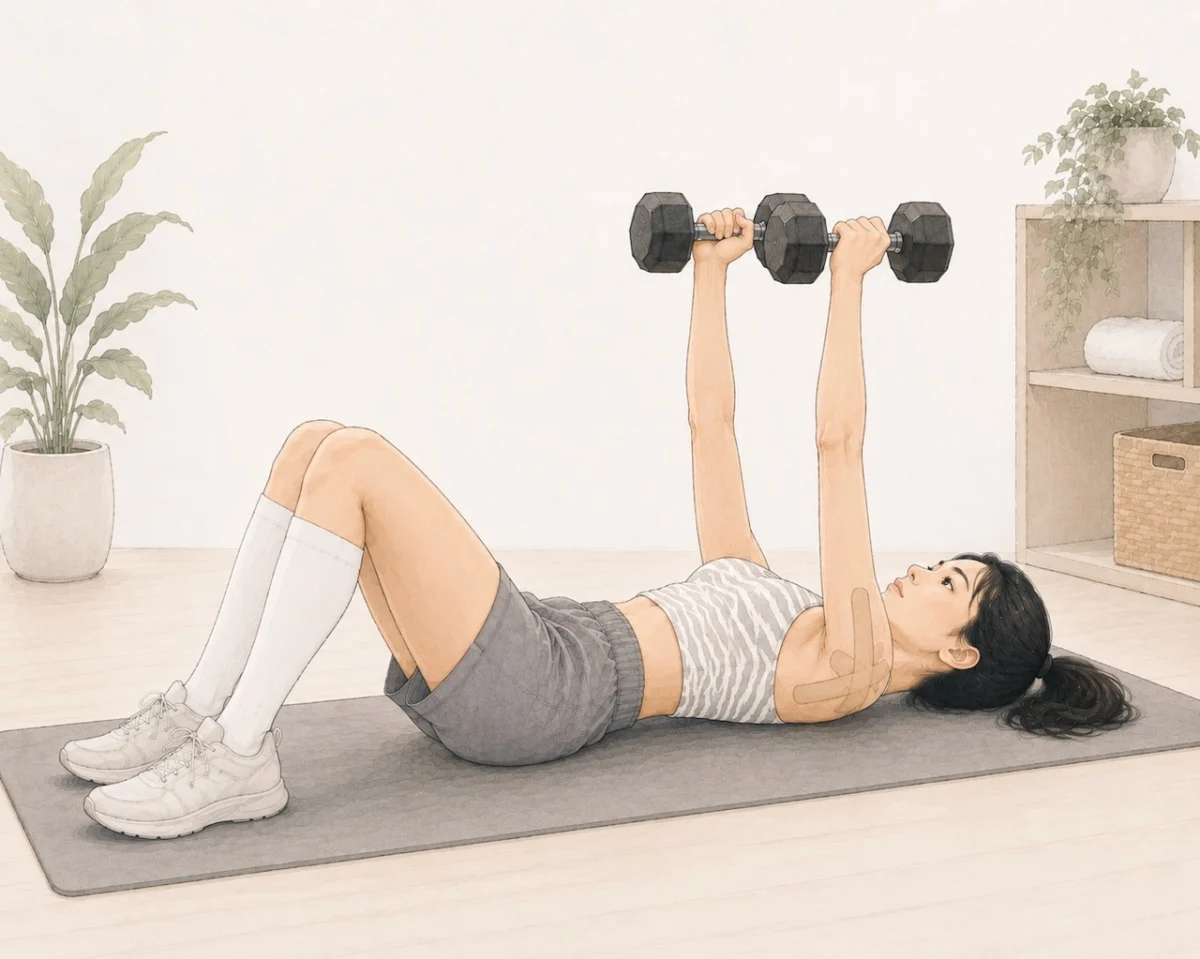
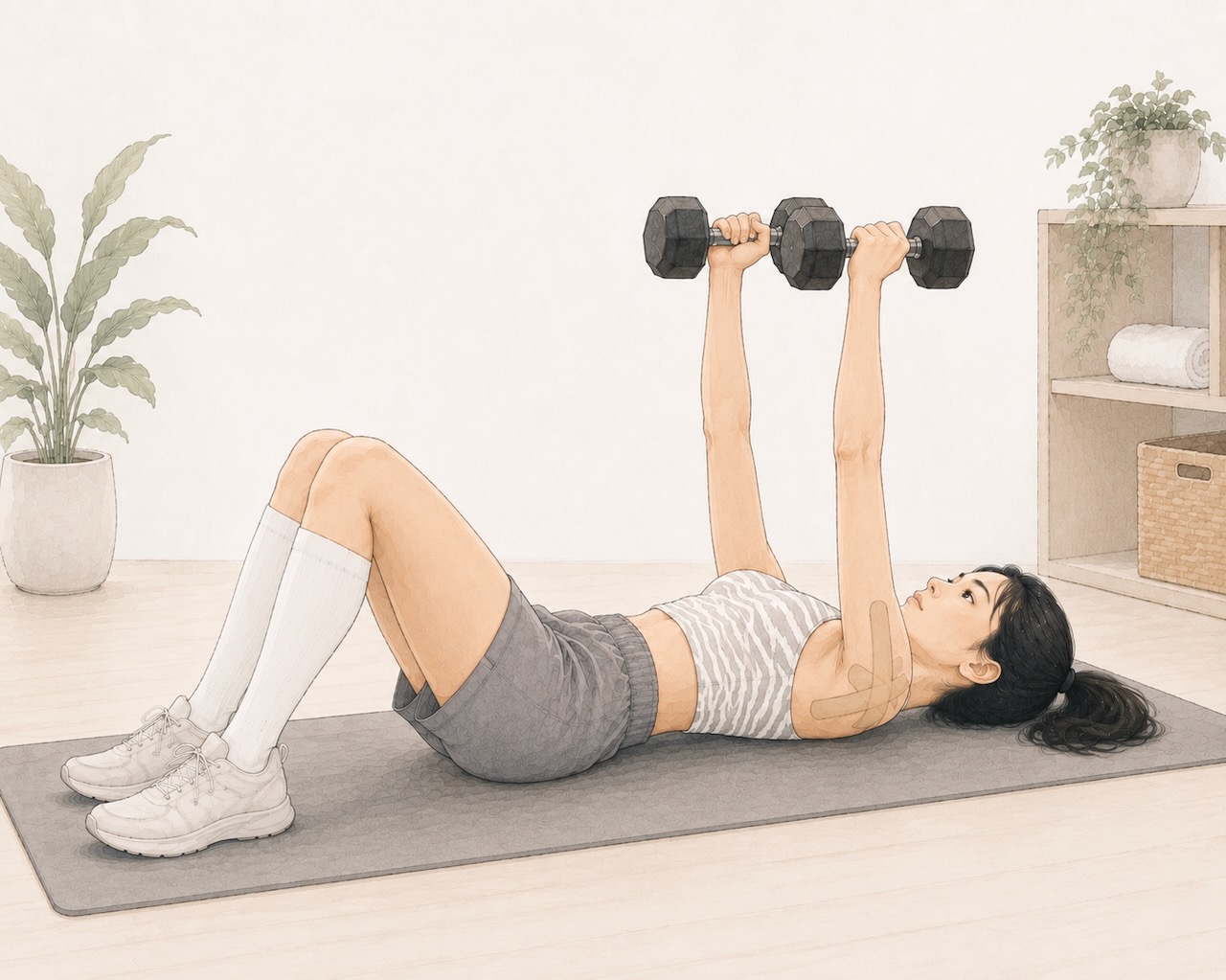
Because the internal feedback loop is often unreliable in hypermobile bodies, external inputs are essential. Utilizing kinesiology tape, compression garments, or even the tactile feedback of a mirror can help the nervous system "locate" muscles.
3. Execution with Precision
During the lift, the focus must shift from "moving the weight" to "feeling the muscle." If an exercise looks correct but the wrong muscles are firing, the benefit is lost. Using the question—"Where should I be feeling this?"—is a vital diagnostic tool for the athlete to use alongside their physical therapist.
4. Tempo and Range of Motion
For those with joint laxity, full range of motion can sometimes be a liability. Practitioners recommend working within a "controlled range," where the muscles—not the ligaments—are holding the joint. A slow, rhythmic tempo is crucial: 2 seconds for the concentric (lifting) phase and 4-5 seconds for the eccentric (lowering) phase. This eccentric control is where the most significant strengthening of the muscle-tendon unit occurs.
Implications: Managing Variables for Long-Term Success
To build a sustainable program, one must treat the variables of exercise as a dial rather than a fixed setting.
- Frequency: Start with once-a-week sessions. Only once the body demonstrates complete recovery without a "crash" should frequency be increased to twice a week.
- Volume: Instead of the standard "3 sets of 10," begin with a single set of 3 to 5 repetitions. This allows the nervous system to adapt to the load without triggering a protective inflammatory response.
- Intensity: Use the "educated guess" method. If you aren’t sure where to start, choose a weight that feels manageable and then halve it. If you can recover well after 48 hours, you have found your baseline.
The Role of Positioning
For many, especially those suffering from Dysautonomia or POTS (Postural Orthostatic Tachycardia Syndrome), upright exercise can be overwhelming for the cardiovascular system. Performing movements while lying down or seated is not a "regression"—it is a strategic choice that allows for muscle strengthening without the added stress of managing heart rate variability or blood pressure fluctuations.
Clinical Perspectives: Professional Guidance
The consensus among physical therapists specializing in connective tissue disorders is clear: Professional guidance is non-negotiable.
"Strength training is a potent medicine," says Libby Hinsley, PT, DPT. "But like any medicine, the dose matters. For the hypermobile patient, the dose must be titrated carefully to account for the unique landscape of their nervous system and tissue tolerance."
Important Considerations for Specific Conditions
Patients with significant joint instability or severe dysautonomia may require a pacing-based approach rather than a traditional strength program. Similarly, those with fragile skin must be wary of adhesive-based tools like kinesiology tape. The "Goldilocks" approach is not a one-size-fits-all protocol; it is a philosophy of listening to the body’s signals and adjusting the variables of frequency, volume, and intensity accordingly.
Conclusion: Empowering the Bendy Athlete
Strength training for the hypermobile body is a long-term commitment to stability. By moving away from the "no pain, no gain" mentality and toward a model of controlled, informed, and adaptive loading, the hypermobile individual can transform their relationship with movement.
The goal is not to force the body into a rigid, non-bendy mold, but to cultivate a musculoskeletal system capable of supporting the body through the demands of daily life. By starting small, prioritizing control over speed, and maintaining open communication with a knowledgeable physical therapist, the promise of strength—and the stability that comes with it—is well within reach.
Disclaimer: Hypermobility exists on a wide spectrum. This article is for informational purposes and does not replace personalized medical advice. Always consult with a physical therapist or physician familiar with Ehlers-Danlos Syndrome and Hypermobility Spectrum Disorders before initiating a new exercise program.