










Published November 18, 2026
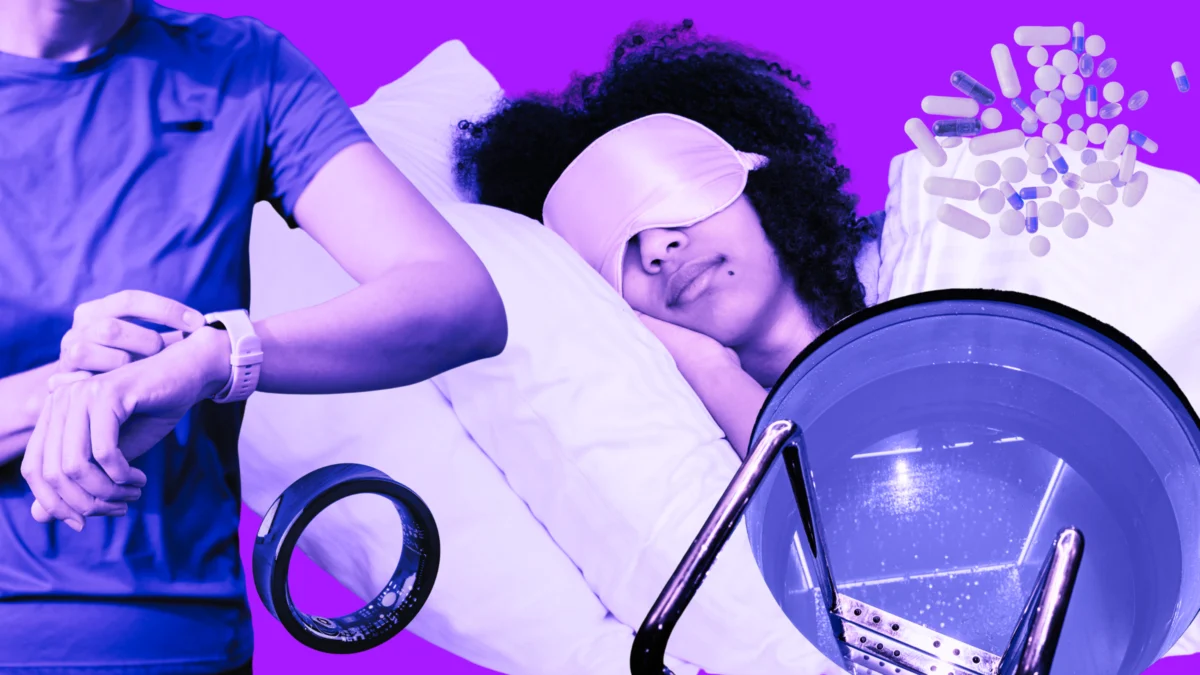
In the modern era, the pursuit of health has transcended mere biology. We have entered the age of "human optimization," a digital-native movement dedicated to fine-tuning the human experience as if it were a high-performance engine. From wearable sensors that track our REM cycles to complex supplement stacks intended to stave off the natural processes of aging, the wellness industry has promised that with enough data and discipline, we can achieve a state of perfect, friction-less living.
However, as we approach the end of 2026, a growing body of evidence suggests that our collective obsession with "optimizing" ourselves is yielding diminishing returns. What began as a genuine desire to cultivate physical and emotional longevity has, in many sectors, spiraled into a source of chronic anxiety. We are increasingly trading the quiet, restorative power of self-care for a high-pressure performance of health.
The Chronology of Optimization
The current wellness trajectory began in earnest during the early 2020s, accelerated by the COVID-19 pandemic. As people spent more time isolated at home, the digital sphere became the primary source for health guidance.
- 2021–2022: The "quantified self" movement surged. Smartwatches and rings became status symbols, promising users a granular view of their internal biology.
- 2023: The rise of biohacking culture brought extreme protocols—such as daily ice baths and intense "sleepmaxxing"—from elite athletic training into the mainstream consciousness.
- 2024–2025: The "wellness-as-identity" phase peaked on social media platforms. Healing became a public spectacle, with influencers monetizing their morning routines, supplement stacks, and recovery rituals.
- 2026: A cultural correction is underway. Medical professionals and psychologists are increasingly noting the "paradox of choice" and the psychological toll of hyper-vigilance, leading to a push for a more intuitive, less data-obsessed approach to well-being.
Supporting Data: When Wellness Becomes Unwell
The data supporting this shift is compelling. While wellness tools are designed to provide control, they are frequently causing "orthosomnia"—a condition where the obsessive pursuit of perfect sleep data actually destroys the quality of rest. According to clinical data, patients who fixate on wearable sleep scores often exhibit higher cortisol levels and increased nocturnal wakefulness compared to those who do not track their sleep.
Furthermore, the supplement market, projected to reach a valuation of $300 billion by 2028, is increasingly criticized for encouraging a "perceived sense of invulnerability." Research indicates that when individuals rely on supplements, they are statistically more likely to engage in poorer nutritional and fitness choices, operating under the psychological impression that their pill regimen compensates for a lack of foundational health habits.
5 Wellness Trends We’re Re-evaluating in 2026
As we refine our approach to health, it is essential to distinguish between habits that support our vitality and those that merely add to our mental burden.
1. Sleepmaxxing: The Pursuit of Perfection
Sleep is arguably the most critical pillar of human health. Dr. Nicole Moshfegh, a clinical psychologist and author of The Book of Sleep, emphasizes that sleep should be restorative and passive. However, the trend of "sleepmaxxing"—utilizing high-tech gadgets and rigid, anxiety-inducing routines—has inverted this purpose. When the act of preparing for sleep becomes a chore involving light-blocking, temperature-controlled beds, and constant data monitoring, the body enters a state of hyper-arousal. The irony is palpable: the more we struggle to "perfect" our sleep, the further we drift from the natural, calm state required to achieve it.
2. The Cold Plunge Conundrum
The Nordic tradition of cold exposure has been touted as a panacea for everything from muscle fatigue to mental health. Yet, emerging scrutiny suggests we have oversold the benefits. While cold plunges can provide an adrenaline spike, recent studies indicate that for muscle recovery specifically, the benefits may be largely placebo-driven. More concerning is the disparity in research; for those with female biology, evidence suggests that long-term, extreme cold exposure may adversely affect reproductive health and provides little to no measurable gain in muscle recovery. It is a stark reminder that biological one-size-fits-all solutions rarely exist.
3. The Tyranny of Tracking
We live in an age of total data transparency regarding our own bodies. While gadgets like the Pulse Mindfulness Ring can serve as helpful anchors for breathwork and meditation, they are increasingly being used as disciplinary tools. The constant feedback loop of heart rate variability, blood oxygen levels, and "readiness scores" can create a rigid relationship with one’s own body. For individuals predisposed to health anxiety or disordered eating, this constant surveillance is a primary trigger for increased psychological rigidity.
4. The "Supplements Over Everything" Fallacy
The "stacking" culture—the practice of consuming dozens of vitamins, minerals, and adaptogens daily—has become a hallmark of the modern health enthusiast. However, the scientific community warns of a lack of oversight. Many supplements are marketed without rigorous clinical validation, and the sheer volume of pills can lead to a "health halo" effect, where the individual feels justified in neglecting whole-food nutrition and consistent movement. True wellness is built on foundational habits; supplements are, by definition, meant to fill gaps, not serve as the structure itself.
5. The Performative Healing Movement
Social media has turned personal health into a performance. When wellness routines are designed to be filmed, curated, and validated by an audience, the internal work is replaced by external validation. This performative healing often strips the act of its restorative power. If a morning yoga session is performed for a camera rather than for the nervous system, it ceases to be a self-care practice and becomes labor.
Official Responses and Medical Perspectives
Public health experts are beginning to push back against the commercialization of health optimization. The consensus among psychologists is shifting toward "intuitive health"—a practice that encourages listening to internal cues rather than external data.
"We are seeing a trend of ‘digital fatigue,’" says Dr. Aris Thorne, a researcher in health technology impacts. "Patients are exhausted by the numbers. They know their heart rate, their caloric expenditure, and their sleep quality, but they have lost touch with how they actually feel. Our recommendation for 2027 is a move toward ‘unplugged wellness’—days or weeks where the wearable devices are put away, and the individual practices health based on bodily intuition."
Implications: A Path Forward
The implications for the future of the wellness industry are significant. Consumers are becoming more discerning, moving away from brands that promise "optimization" and toward those that prioritize simplicity, transparency, and mental peace.
The path forward is not to abandon these tools entirely, but to relegate them to their proper place. A sleep tracker should be an occasional tool for diagnostic curiosity, not a nightly judge of your performance. A cold plunge should be an occasional, joyful experience, not a rigid, mandatory protocol.
As we look toward the remainder of the decade, the ultimate wellness hack remains unchanged: consistent sleep, whole foods, movement that brings joy, and a life lived in the present moment—without the constant, buzzing demand of an app telling you how well you’re doing it. Sometimes, the healthiest thing you can do for your body is to stop trying to optimize it and start simply inhabiting it.