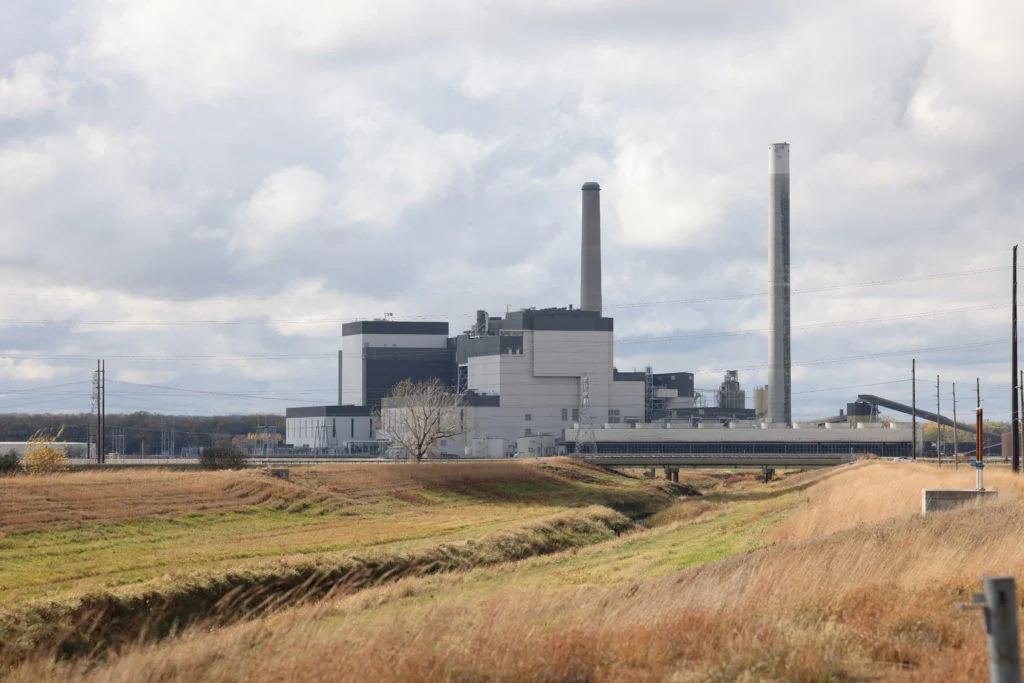
In a seismic shift in federal environmental policy, the Environmental Protection Agency (EPA) has officially announced the repeal of stringent regulations aimed at curbing greenhouse gas emissions from coal and natural gas-fired power plants. This decision marks a definitive departure from previous regulatory frameworks that sought to compel the energy sector to pivot toward cleaner, low-carbon technologies, including the integration of Carbon Capture and Storage (CCS) systems.
The move has sent shockwaves through the climate policy community, drawing sharp criticism from environmental advocates who argue that the rollback removes a critical mechanism for meeting international climate commitments. Conversely, industry proponents have long argued that such mandates posed an existential threat to grid reliability and imposed undue financial burdens on utilities and, by extension, consumers.
The Core Conflict: What Was Repealed?
At the heart of the controversy is the EPA’s decision to dismantle requirements that would have forced aging power plants to adopt costly, albeit effective, emissions-reduction technologies. Under the previous guidelines, coal-fired facilities were facing a regulatory "cliff"—a deadline by which they would have been forced to either implement sophisticated carbon-mitigation hardware or cease operations entirely.
By eliminating these mandates, the EPA has effectively removed the federal stick that was driving the energy sector toward a faster decarbonization timeline. The agency contends that the previous rules exceeded the statutory authority granted by the Clean Air Act, a legal argument that has been at the center of a years-long battle between regulators, state attorneys general, and industrial lobbies.
A Chronology of Policy Flux
The path to this repeal is paved with years of legal and political maneuvering. To understand the gravity of this moment, one must look at the oscillation of American environmental policy over the last decade:
- 2015: The Clean Power Plan (CPP): The Obama administration introduced the CPP, which sought to establish the first national limits on carbon pollution from existing power plants. It was designed to push states to shift from coal to wind, solar, and natural gas.
- 2017–2019: The Judicial and Executive Pivot: Following the 2016 election, the Trump administration moved to dismantle the CPP, replacing it with the Affordable Clean Energy (ACE) rule. The ACE rule focused on "inside-the-fence-line" improvements, essentially asking plants to become slightly more efficient rather than shifting to cleaner fuel sources.
- 2021–2022: The Legal Seesaw: The Supreme Court’s decision in West Virginia v. EPA significantly curtailed the agency’s authority to mandate industry-wide shifts, essentially stripping the EPA of the ability to force a transition to renewable energy through existing Clean Air Act interpretations.
- 2024: The Final Repeal: Today’s announcement formalizes the retreat from the more aggressive, technology-forcing standards that had been envisioned by the previous administration, signaling a return to a more hands-off regulatory environment.
Supporting Data: The Emissions Gap
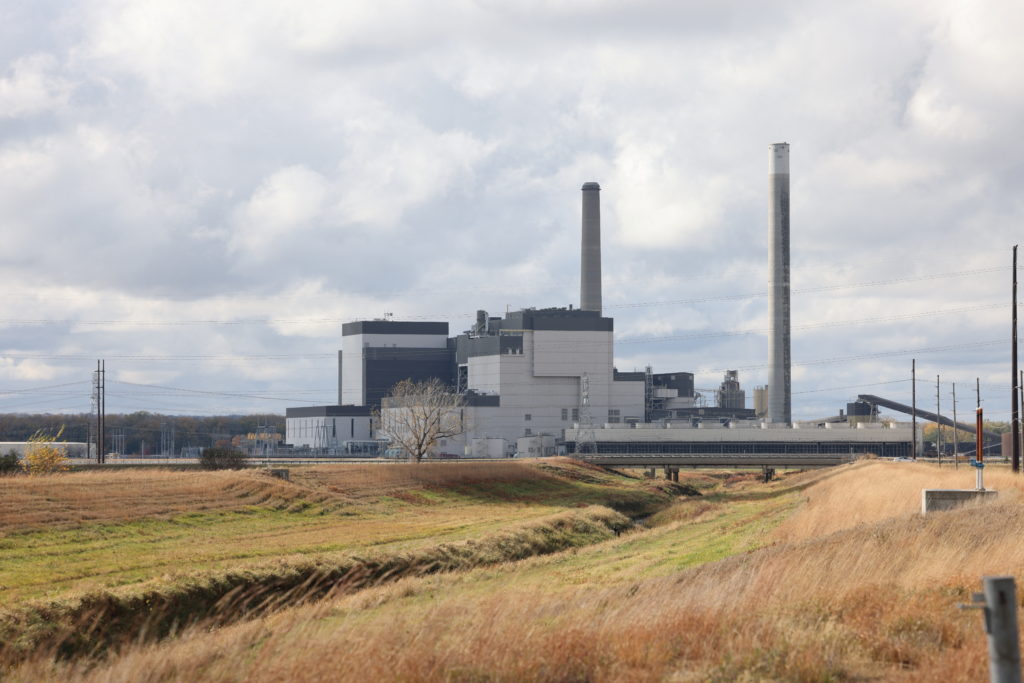
The scientific and economic consensus remains that the power sector is a primary contributor to U.S. greenhouse gas emissions. According to data from the U.S. Energy Information Administration (EIA), the power sector is responsible for approximately 25% of the nation’s total carbon dioxide output.
The Role of Carbon Capture and Storage (CCS)
CCS technology—the process of capturing CO2 emissions at the source and storing them underground—was the cornerstone of the previous EPA mandates. Proponents of the technology argue that it is essential for meeting "Net Zero" goals, as it allows for the continued use of baseload power (coal and gas) without the associated climate warming impact. However, the cost of retrofitting existing, older plants is exorbitant. Industry analysts have pointed out that for many plants, the cost of installing CCS would exceed the total remaining economic value of the facility, leading to stranded assets and increased energy prices.
Market Trends vs. Regulatory Mandates
Interestingly, market data shows that the transition away from coal is happening regardless of federal mandates. Natural gas and renewables (solar and wind) have become more economically viable than coal due to lower fuel costs and the falling price of battery storage. However, environmental experts warn that "market-driven" changes are not happening at the pace required to mitigate the worst effects of climate change. The repeal removes the "safety net"—the regulatory pressure that would have prevented a stalling of the energy transition during periods of economic volatility.
Official Responses and Stakeholder Perspectives
The debate surrounding this repeal highlights a profound ideological divide regarding the role of the federal government in the energy marketplace.
The EPA’s Justification
The EPA, under its current leadership, has framed this decision as a move toward regulatory certainty. Officials suggest that by aligning with the Supreme Court’s limitations on their authority, they are avoiding protracted, multi-year litigation that would leave power companies in a state of suspended animation. The agency claims it will pursue alternative pathways for emissions reductions that are more legally robust and less susceptible to judicial challenge.
The Environmental Defense Fund (EDF) and Advocacy
Vickie Patton, General Counsel for the Environmental Defense Fund, has been a vocal critic of the rollback. In discussions with PBS NewsHour’s Geoff Bennett, Patton emphasized that the repeal is a "dereliction of duty." She argues that the EPA has an explicit mandate under the Clean Air Act to protect public health and the environment from dangerous pollutants. "By walking away from these requirements, the agency is essentially handing the keys of our climate future to the very industries that have the most to lose from regulation," Patton stated.
Industry and Utility Perspectives
Major utility companies have remained cautiously quiet, though behind the scenes, many trade groups have lobbied for the repeal. Their primary concern is "grid reliability." As the U.S. experiences more frequent extreme weather events, utilities are under immense pressure to ensure that the lights stay on. They argue that forced retirement of coal plants before adequate storage and transmission infrastructure is built poses a threat to national security and consumer stability.

Implications: A Future in Question
The implications of this repeal are far-reaching, affecting everything from international climate negotiations to the long-term health of the American electrical grid.
Impact on International Climate Goals
The United States entered the Paris Agreement with ambitious targets to reduce emissions by 50–52% below 2005 levels by 2030. The EPA’s previous rules were a foundational component of the math used to reach those targets. Without these federal mandates, the U.S. will likely have to rely on a patchwork of state-level policies, which are often inconsistent and insufficient to achieve national-scale reductions. This could lead to a loss of credibility on the global stage, where the U.S. is expected to lead by example.
The Future of the Electrical Grid
Without a federal mandate, the responsibility for decarbonization shifts almost entirely to state public utility commissions and private utility planning departments. While some states (like California, New York, and Washington) will continue to push for aggressive carbon-neutral goals, others may see a "coal-life extension" scenario. This could create a bifurcated national energy market, where the country is split between states moving toward a green future and those clinging to legacy fossil fuel infrastructure.
Public Health Consequences
Finally, it is essential to consider the public health dimension. Power plant emissions do not just include CO2; they include particulate matter, mercury, sulfur dioxide, and nitrogen oxides. These pollutants are directly linked to respiratory illnesses, cardiovascular disease, and premature death, particularly in communities located near industrial sites. The repeal of greenhouse gas regulations often coincides with a weakening of the broader environmental oversight that keeps these toxic pollutants in check.
Conclusion
The EPA’s decision to repeal greenhouse gas emissions limits for power plants is more than just a regulatory adjustment; it is a fundamental shift in the American approach to the climate crisis. By abandoning technology-forcing mandates, the government has signaled a preference for market-based evolution over regulatory revolution.
As the energy landscape continues to change, the burden of proof now rests on both the government and the private sector. The government must prove that it can achieve its climate goals through voluntary and state-led initiatives, while the energy industry must prove that it can transition to a sustainable future without the constant pressure of federal oversight. In the interim, the climate continues to change, and the gap between current policy and the requirements of a warming planet continues to widen.