
As the global population ages, the demands placed on family caregivers have reached an unprecedented inflection point. In the United States alone, millions of individuals are balancing professional responsibilities with the complex, often overwhelming, tasks of long-term care management. To address this growing crisis, the Caregiving Club On Air podcast—hosted by renowned corporate gerontologist, author, and advocate Sherri Snelling—has emerged as a vital resource for those navigating the caregiving journey.
In its sixth season, the podcast has tackled the most pressing issues in the industry, ranging from the necessity of respite care to the integration of caregiver support within corporate wellness frameworks. By featuring experts like Laura Williams, Melissa Fisher, and Cory Fosco, the show provides a roadmap for families and employers alike to better manage the physical, emotional, and financial tolls of caregiving.
The Core Pillars of Modern Caregiving
The recent episodes of Caregiving Club On Air underscore three fundamental pillars that define the current caregiving experience: the necessity of self-care, the role of corporate advocacy, and the logistical challenges of long-term care transitions.
1. The Imperative of Self-Care (September 2026)
In Season 6, Episode 74, host Sherri Snelling welcomed Laura Williams, the Founder and CEO of Respitely, to mark Self-Care Awareness Month. The discussion centered on a common but often ignored truth: a caregiver who does not prioritize their own well-being is effectively setting a deadline for their own burnout.
Respitely aims to bridge the gap between families and the care infrastructure they require. Williams emphasized that "respite" is not a luxury—it is a medical and emotional necessity. Without designated breaks, caregivers suffer from heightened rates of depression, anxiety, and chronic illness.
2. Caregiving in the Workplace (August 2026)
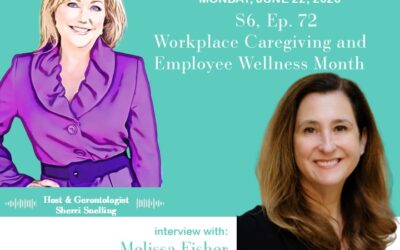
In Episode 72, the focus shifted to the intersection of professional life and personal caregiving duties. Melissa Fisher of Kaiser Permanente joined the program to discuss the evolution of employee wellness. As more companies realize that the "caregiver crisis" is, in fact, a productivity and retention crisis, programs like those pioneered at Kaiser Permanente are becoming the gold standard. Fisher noted that workplace flexibility is no longer just a perk; it is a retention tool for an aging workforce struggling to manage the "sandwich generation" dynamic.

3. Decoding Long-Term Care (August 2026)
In Episode 73, author Cory Fosco, who penned The Question of When, provided a masterclass in the logistics of long-term care. Transitioning a loved one into a care facility is one of the most emotionally fraught decisions a family can make. Fosco’s work serves as a pragmatic guide to navigating the labyrinth of care communities, hidden costs, and the often-confusing terminology that prevents families from making informed, proactive decisions.
A Chronology of Advocacy: Season 6 Highlights
The podcast’s recent output reflects a deliberate strategy to provide listeners with timely, relevant information that aligns with major awareness milestones and industry shifts.
- June 22, 2026 (Episode 72): Sherri Snelling and Melissa Fisher explored the corporate responsibility of supporting caregivers. This episode highlighted the shift from reactive to proactive HR policies, emphasizing that support systems—such as counseling, flexible scheduling, and access to geriatric care managers—are essential for maintaining workforce stability.
- August 31, 2026 (Episode 73): Cory Fosco’s appearance provided a crucial, data-driven look at the "Question of When." The discussion moved beyond the emotional weight of moving a loved one to a facility, focusing instead on the financial and legal milestones required to secure quality care before a crisis necessitates a rushed decision.
- September 14, 2026 (Episode 74): The interview with Laura Williams of Respitely served as a capstone for the summer, reinforcing that even the most well-planned caregiving strategy will fail if the caregiver is not physically or mentally present. The episode highlighted the tools now available to source reliable, temporary relief for full-time caregivers.
Supporting Data: The Hidden Costs of Caregiving
The insights shared in Caregiving Club On Air are bolstered by a sobering reality in the United States economy. According to recent demographic data, the economic value of unpaid caregiving in the U.S. exceeds $600 billion annually. However, this figure does not account for the "shadow cost" of caregiver burnout:
- Workforce Participation: Approximately 60% of family caregivers are employed, and a significant portion are forced to reduce their hours, decline promotions, or leave the workforce entirely due to caregiving demands.
- Health Outcomes: Studies cited by Snelling and her guests suggest that family caregivers are at a 20% higher risk of mortality than non-caregivers in the same age group, largely due to the neglect of their own health markers during the duration of their caregiving duties.
- The Cost of Inaction: As Cory Fosco points out, waiting for a "crisis event" (such as a fall or a sudden medical diagnosis) often forces families into the most expensive and least desirable care options. Proactive planning can reduce long-term costs by an estimated 30% through better utilization of insurance benefits and long-term care planning.
Official Responses and Expert Perspectives
Sherri Snelling, as a corporate gerontologist, represents a growing movement of experts who argue that caregiving should be treated as a public health issue rather than a private domestic burden.
"We are seeing a paradigm shift," Snelling remarked in the most recent episode. "For years, caregivers were the ‘hidden’ workforce. Now, with the aging of the Baby Boomer population, the reality of caregiving is infiltrating every boardroom, doctor’s office, and family dinner table. The guests we’ve hosted this season—Williams, Fisher, and Fosco—all represent the shift from coping with caregiving to managing it with professional-grade resources."
Laura Williams added, "Respitely was founded on the idea that you cannot pour from an empty cup. Our partnership with platforms like the Caregiving Club is about de-stigmatizing the need for help. Asking for a break isn’t an admission of defeat; it’s an essential component of quality care."
Implications for the Future of Care
The themes explored in Season 6 of Caregiving Club On Air have profound implications for the next decade of caregiving:
The Professionalization of Caregiving
The era of the "lone wolf" caregiver is coming to an end. Increasingly, the focus is on building a "care team." This team may include professional geriatric care managers, financial advisors, legal experts specializing in elder law, and respite service providers. The podcast advocates for a holistic approach where the caregiver acts as a project manager rather than a martyr.
The Role of Technology
From Respitely’s digital coordination tools to the telehealth solutions discussed in the Kaiser Permanente segment, technology is playing a pivotal role in mitigating the isolation that often accompanies caregiving. Virtual support groups and digital resource portals are proving that while caregiving is a deeply personal task, no one has to do it in a vacuum.
Policy and Corporate Evolution
The implications for employers are clear: if companies do not invest in caregiver-friendly policies, they will lose talent. As the "Caregiving Club" segments demonstrate, the most effective companies are those that offer "caregiver leave" similar to parental leave, recognizing that the care of aging parents is just as vital to the family unit as the care of children.
Conclusion: A Call to Action
The journey of a caregiver is rarely linear, and as the episodes of Caregiving Club On Air illustrate, it is a journey that requires constant calibration. Whether it is the logistical planning emphasized by Cory Fosco, the corporate wellness integration championed by Melissa Fisher, or the essential self-care focus provided by Laura Williams, the path forward is paved with resources, community, and expert knowledge.
As we move into the final quarter of 2026, the message from Sherri Snelling and her guests is clear: the caregiving crisis is a challenge that can be met, provided we stop viewing it as a private struggle and start addressing it as a collective, managed, and supported necessity. Listeners are encouraged to visit the Caregiving Club website to access the full show notes, resource links, and transcripts from these pivotal episodes, ensuring that they are equipped with the knowledge needed to provide care—without sacrificing themselves in the process.