




By the fall of 2026, the landscape of the Supplemental Nutrition Assistance Program (SNAP) will undergo a significant structural transformation. The United States Department of Agriculture (USDA) has finalized a new federal rule that mandates a substantial increase in the variety of "staple foods" that authorized retailers must maintain in their inventory. While the administration frames this as a push toward better nutrition and "real food," critics argue that the policy is a bureaucratic hurdle designed to winnow out small retailers and complicate access for the millions of Americans who rely on the program to put food on the table.
The Mandate: What Is Changing?
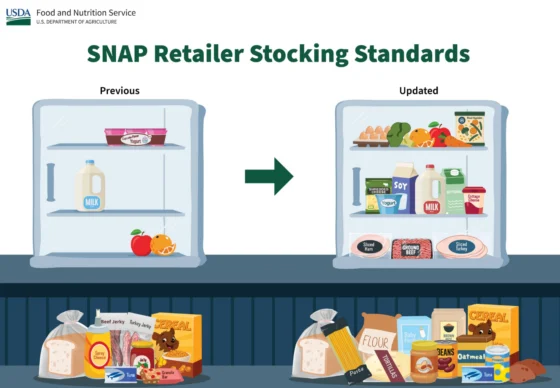
Under the new regulations published in the Federal Register, the USDA has fundamentally revised its definition of what constitutes a SNAP-authorized retailer. Historically, stores were required to stock at least three varieties of items across four staple categories: dairy, grains, proteins, and fruits and vegetables.
The new rule, effective in autumn 2026, more than doubles this requirement. Retailers are now mandated to carry at least seven varieties of items within each of those four core categories. This adjustment is designed to force smaller convenience stores and neighborhood bodegas to move away from processed snack foods and toward perishable, nutrient-dense inventory.
Crucially, the rule also closes several loopholes that previously allowed retailers to pad their inventory lists with items that—while technically meeting the definition of a "staple"—offered little in the way of nutritional value. Items such as cheese dips, fruit spreads, beef jerky, and certain snack bars will no longer count toward the seven-variety minimum. While these items remain eligible for purchase using SNAP benefits, they can no longer be used by store owners to qualify their business for the program.
A Chronology of Regulatory Tightening
The path to these 2026 standards has been a multi-year effort focused on retailer oversight.
- 2016–2020: During the initial push for stricter stocking standards, the Food and Nutrition Service (FNS) began increasing oversight of store inventory, identifying thousands of retailers that failed to meet the bare-minimum requirements for healthy staples.
- 2021–2025: Throughout the following years, the FNS engaged in a systematic review of its authorized retailer base, leading to the disqualification of thousands of stores that were found to be in non-compliance with existing rules.
- May 2026: The USDA officially announced the final rule, codifying the seven-variety requirement. This announcement followed years of internal debate regarding the balance between "retailer burden" and "consumer access."
- Fall 2026: The implementation phase begins, requiring all current and prospective SNAP-authorized retailers to adjust their procurement strategies or face potential disqualification.
Supporting Data and Regulatory Context
The USDA justifies this policy by pointing to the necessity of ensuring that SNAP recipients—particularly those living in "food deserts" where supermarkets are scarce—have access to healthy options. According to federal data, the FNS has taken action against approximately 3,200 retailers since the start of the current administration’s tenure. These actions were primarily triggered by stores failing to maintain adequate stock of perishable goods.
However, the data suggests a tension between the goal of "healthy access" and the reality of small-business logistics. For a small urban bodega or a rural general store, maintaining seven distinct varieties of fresh produce or dairy carries significant financial risk. Perishable items, such as fresh vegetables or milk, have a limited shelf life. If these products do not sell within a specific window, they become a total loss for the business owner.
For many small retailers, the margins on SNAP transactions are already thin. By requiring these stores to stock more inventory that is susceptible to spoilage, the USDA is effectively forcing a business model shift that many small, independent grocers may be unable to sustain.
Official Responses and Stakeholder Criticism
The reaction to the new rule has been sharply polarized. Supporters of the move, primarily within the administration, argue that the taxpayer-funded program should support a healthier food environment. They maintain that by raising the bar for entry, the program will naturally filter out "junk food" retailers and incentivize the growth of more substantial, health-conscious neighborhood markets.
However, advocacy groups and policy experts have voiced significant concerns regarding the efficacy and intent of these changes.
The Food Research & Action Center (FRAC) Perspective
The Food Research & Action Center (FRAC) has highlighted the logistical nightmare this creates for small retailers. According to their analysis, the rule essentially creates a "barrier to entry" that could lead to widespread closures of SNAP-authorized locations in low-income neighborhoods. If a store cannot afford the overhead of stocking seven varieties of fresh produce—and the subsequent waste that entails—they will stop accepting SNAP. When that happens, the recipients in that neighborhood lose their most accessible point of service, forcing them to travel further for food.
The Center for Science in the Public Interest (CSPI) Critique
Perhaps the most biting criticism has come from the Center for Science in the Public Interest (CSPI). Their analysts point to a profound irony in the administration’s rhetoric. While the official messaging emphasizes "real food," the rule itself lacks any actual nutritional requirements.
"The irony is not lost on us that the administration says ‘eat real food’ but won’t require stores to stock it," a CSPI spokesperson stated. Because the rule requires varieties rather than nutritional standards, a store could technically satisfy the mandate by stocking highly processed, shelf-stable versions of grains or proteins that meet the technical definition of a "variety" but fall short of modern dietary guidelines. As the CSPI argues, the rule acts as a "check-the-box" exercise that prioritizes bureaucracy over actual public health outcomes.
Implications for SNAP Recipients and the Future of the Program
The implications of this policy change are multifaceted, affecting retailers, consumers, and the political future of the program.
1. The Erosion of Access
The most immediate danger is the reduction of participating retailers. If thousands of small stores decide that the cost of compliance outweighs the revenue generated by SNAP customers, those recipients will lose a vital resource. For individuals without cars or access to public transit, a local bodega is often the only source of food. Removing SNAP eligibility from these stores effectively turns those neighborhoods into deeper food deserts.
2. The Hidden Agenda: Participation Rates
Political analysts are increasingly viewing these stocking standards as a mechanism for "program attrition." By making it more difficult for retailers to participate, the government may indirectly reduce the number of SNAP participants. When fewer stores accept the benefits, the utilization of those benefits naturally declines. Critics argue that this is a deliberate strategy to reduce the overall cost of the program by placing systemic hurdles in the path of the most vulnerable users.
3. The Affordability Gap
Even if a small retailer manages to stock the required seven varieties of fresh produce, the cost to the consumer is a critical variable. Fresh fruits and vegetables are often more expensive than processed, shelf-stable items. Unless the USDA simultaneously increases benefit allotments to account for these price differences, the rule may force SNAP recipients to choose between purchasing "healthy" varieties that they cannot afford or going without essential items entirely.
4. Cultural and Regional Realities
Finally, the definition of "staple foods" often fails to account for regional and cultural diversity. What constitutes a staple in an urban center in the Northeast may differ significantly from the requirements of a rural community in the Southwest or the Midwest. By imposing a rigid, uniform standard of seven varieties, the federal government risks ignoring the local food economies that have successfully served these populations for decades.
Conclusion
The USDA’s decision to tighten SNAP stocking standards is a complex policy maneuver that sits at the intersection of nutrition, economics, and administrative power. While the stated goal of improving the quality of food available to low-income families is undeniably positive in theory, the practical implementation suggests a disconnect from the realities of the small-business sector and the needs of the populations served.
As the fall 2026 deadline approaches, the retail landscape will face a period of intense volatility. Whether these changes lead to a healthier, more robust retail environment or a decline in the availability of food for the nation’s most vulnerable remains to be seen. What is clear, however, is that the administrative burden placed upon retailers has never been higher, and the true cost of this "healthy" initiative may be paid by the very people it was intended to protect.