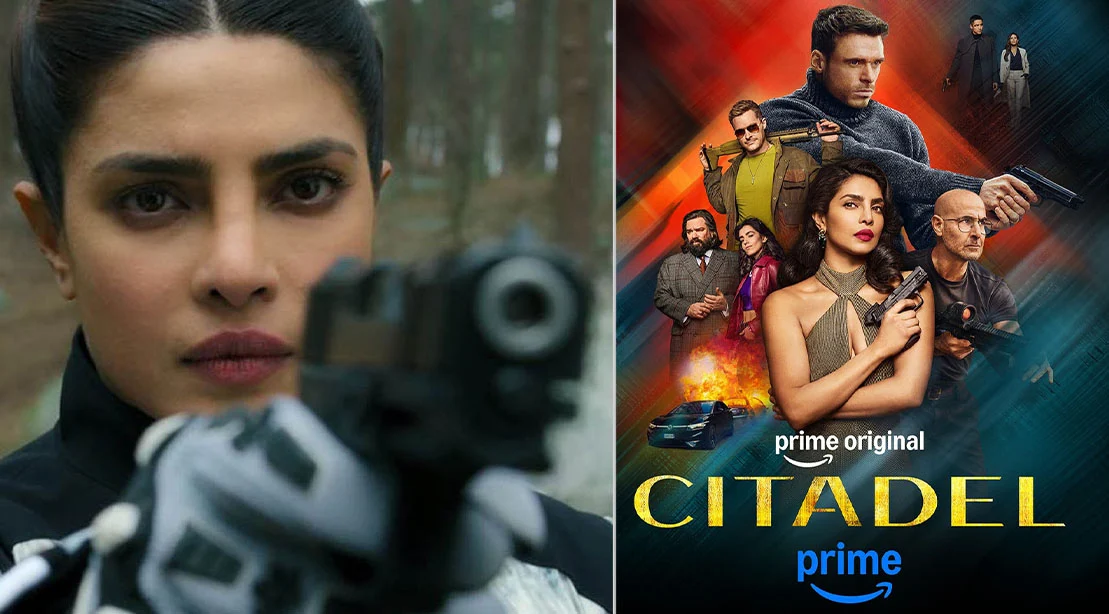
The landscape of the modern action thriller has undergone a seismic shift. Gone are the days when the "damsel in distress" trope served as the primary foil to the hardened male operative. Today, the spy genre is being spearheaded by powerhouse performers who bring not only physical prowess but a level of technical precision that is garnering praise from the industry’s most seasoned professionals. At the heart of this evolution is Prime Video’s hit series Citadel, which, with the arrival of its highly anticipated second season, has cemented its status as a trailblazer for heroic, highly skilled female leads.
While audiences are consistently dazzled by the adrenaline-fueled set pieces, it is the behind-the-scenes reality of weapon handling that has recently captured the industry’s attention. According to expert testimony from the set, the female leads of Citadel—including the formidable Priyanka Chopra—have demonstrated an aptitude for tactical weaponry that occasionally eclipses their male counterparts.
The Evolution of the Female Spy
For decades, the spy genre was dominated by icons who relied on suave charisma and brute force. However, the Citadel universe has intentionally pivoted toward a more nuanced, technically proficient representation of espionage. The show demands more than just aesthetic toughness; it requires a deep understanding of tactical movement, weapon maintenance, and authentic handling.
Priyanka Chopra’s portrayal of "Nadia" has become the gold standard for this new wave of action heroes. Chopra, who has been transparent about her grueling physical regimen on social media, has translated her off-screen discipline into a screen presence that feels both dangerous and grounded. Critics have noted that her ability to handle complex weaponry with grace is a testament to the rigorous training protocols implemented by the production team.
The View from the Armory: Ben Rothwell’s Perspective
To understand the mechanics of this transformation, one must look to the professionals tasked with maintaining safety and authenticity on set. Ben Rothwell, a premier armory specialist who has served as a lead consultant for both seasons of Citadel, offers a unique vantage point. Having worked with some of the biggest names in Hollywood action—including Jason Statham and Richard Madden—Rothwell is intimately familiar with the "ego" of the set.
According to Rothwell, the initial encounter between an actor and a firearm is often a humbling experience. Regardless of their status or past roles, the sheer weight and mechanical complexity of professional-grade weaponry can be jarring. While productions use blanks under strictly controlled conditions, the psychological weight of handling a weapon remains constant.
The "Listen and Learn" Advantage
In a candid conversation with M&F, Rothwell addressed a recurring pattern he has observed while overseeing combat sequences. While he holds his male leads in high regard, he notes a distinct, albeit humorous, difference in how the female cast approaches weapon training.
"She was brilliant," Rothwell says of his time working with Chopra, noting that their collaboration extended beyond Citadel to the film Heads of State. "We tend to find that women are actually better, partly because they listen—sorry, everyone," he jokes.
Rothwell’s observation is rooted in the ego-less approach he often sees from female performers. He notes that while male actors occasionally fall into the trap of wanting to play with the gear—effectively turning into "children" the moment a weapon is placed in their hands—the female cast members prioritize instruction, safety, and efficiency. This willingness to absorb technical feedback allows them to master the complexities of a weapon system much faster, leading to cleaner, more realistic performances on screen.
The Grenade Launcher Incident: A Study in Excess
Perhaps the most telling anecdote from Rothwell’s time on the Citadel set involves a high-octane scene that pushed the boundaries of practical gear. The production team, eager to showcase the sheer capability of their female leads, began conceptualizing a massive, multi-weapon loadout for a specific action sequence.
As the design phase progressed, the mock grenade launcher became increasingly elaborate. Rothwell recalls that every time they added an accessory, the production team asked for more. "It didn’t seem to matter how big or crazy we went," he recalls. "So, we just kept adding more and more guns on this poor girl."
The resulting ensemble was a tactical nightmare—a submachine gun, a grenade launcher, a pistol, two knives, and throwing stars. While it was physically taxing, the actress in question embraced the challenge with a level of grit that impressed even the seasoned armory staff. Ultimately, for the sake of fluid movement and safety, the production team trimmed the loadout, but the remaining sequence serves as a highlight of the season. It stands as a testament to the fact that these actresses are not just "playing" a role; they are actively engaging with the physical demands of the character.
Chronology of Production and Training
The success of these sequences is no accident. It is the result of a structured, months-long training process that begins well before cameras start rolling.
- Phase One: Physical Conditioning: Before touching a weapon, the actors undergo intense cardiovascular and strength training. For Priyanka Chopra, this involves maintaining a high level of functional fitness, which she frequently documents for her 92.9 million Instagram followers.
- Phase Two: Weapon Familiarization: Under Rothwell’s supervision, actors spend hours learning the weight, balance, and reload protocols of their specific weapons. This is where the "listening" factor becomes critical.
- Phase Three: Tactical Choreography: This stage merges the physical movement with the weapon handling. Stunt coordinators work in tandem with the armory team to ensure that every movement looks like a natural extension of the character’s training.
- Phase Four: Controlled Execution: During filming, the focus shifts to safety. Rothwell emphasizes that while the scenes look explosive, the environment is one of the most strictly regulated in the industry.
The Implications of a Genre Shift
The impact of this shift in Citadel cannot be overstated. By showcasing women who are not only capable of violence but who excel in the technical arts of combat, the show is resetting the audience’s expectations.
Industry analysts suggest that this trend is likely to influence future casting and production decisions across the spy thriller genre. When an actor demonstrates that they can handle complex tactical choreography—and does so with the professionalism that experts like Rothwell describe—they open doors for roles that were previously considered "male-only."
Moreover, the "listen and learn" philosophy observed by the armory team highlights a broader cultural shift in Hollywood. As production budgets balloon and the demand for authentic, "grounded" action increases, the actors who prioritize discipline over ego are the ones who will define the next generation of cinema.
Looking Forward: The Future of Citadel
With Citadel Season 2 now streaming on Prime Video, the focus remains on whether the series can continue to innovate its action language. The early reception suggests that the chemistry between the cast and the technical crew is stronger than ever.
As viewers tune in to see the latest missions, they are witnessing a masterclass in modern action filmmaking. Whether it is a high-speed chase or a tense, close-quarters standoff, the women of Citadel have proven that they are more than just a casting choice; they are tactical assets to the show’s enduring success.
For those looking to keep up with the rigorous training regimens that make these performances possible, the social media presence of the leads, particularly Priyanka Chopra, offers a rare, behind-the-curtain look at the blood, sweat, and discipline that goes into making the impossible look effortless.
In an industry often criticized for its reliance on visual effects, Citadel reminds us that there is still no substitute for an actor who is willing to put in the work—and, more importantly, listen to the experts.