





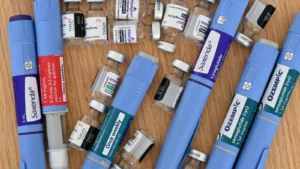



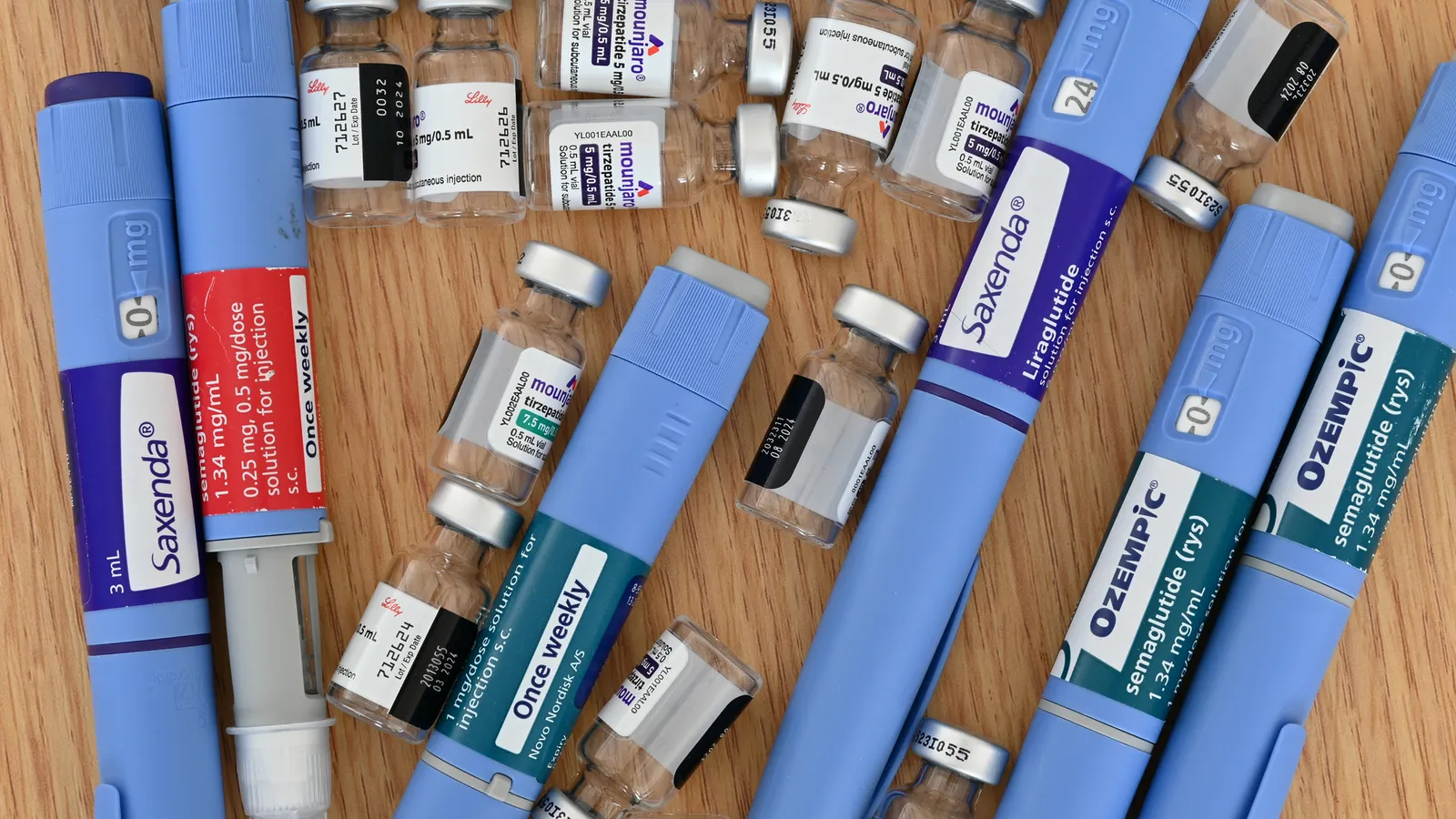
In the neon-lit boardrooms of Las Vegas at the recent HLTH conference, the conversation surrounding the future of medicine took a sharp, contentious turn. While the pharmaceutical industry celebrates the scientific breakthroughs of blockbuster GLP-1 receptor agonists—drugs like Wegovy and Zepbound—a parallel, shadow economy has emerged. Millions of Americans, frustrated by exorbitant price tags exceeding $1,000 per month and prolonged supply shortages, have turned to the telehealth-driven "compounding" market.
What began as a necessary stopgap during a national medication shortage has transformed into a multi-billion-dollar industry, raising fundamental questions about patient safety, corporate ethics, and the regulatory boundaries of the American healthcare system.
The Rise of the Compounded Alternative
The compounding industry operates on a model of high accessibility. By offering customized formulations of semaglutide and tirzepatide directly to consumers’ doors for a fraction of the brand-name cost, telehealth companies have tapped into a massive, underserved demographic.
For the average consumer, the math is simple: Why pay a premium for a branded pen injector when a compounding pharmacy can ship a vial of the active ingredient for a few hundred dollars? However, this convenience carries a significant, often overlooked asterisk: Compounded drugs are not subject to the same FDA review process as mass-produced pharmaceuticals. They do not undergo the rigorous clinical trials that guarantee safety, purity, and efficacy before hitting the market.
A Chronology of the Compounding Crisis
The Shortage Window (2022–2024)
In 2022, as demand for GLP-1s skyrocketed, the FDA officially recognized a shortage. Under these specific conditions, the agency provided a "grace period," allowing compounding pharmacies to produce versions of the drugs to ensure patients were not left without life-saving treatment. This created the regulatory opening that entrepreneurs needed.
The Gold Rush (2023–2024)
Telehealth startups proliferated. Influencers on TikTok and Instagram began marketing these compounded medications as "miracle" wellness solutions. Companies like MEDVI saw meteoric growth, with reports suggesting the firm was on track for $1.8 billion in sales by early 2026. During this period, the industry effectively normalized the use of unregulated, non-branded injectable weight-loss aids.
The Regulatory Crackdown (2024–Present)
As supply chains for brand-name GLP-1s began to stabilize in late 2024 and early 2025, the FDA began to pull back the rug. The agency issued dozens of warning letters to telehealth companies for misleading marketing practices, explicitly stating that compounded versions are not "comparable" to the FDA-approved products. In the spring, the FDA moved to propose a permanent exclusion of semaglutide and tirzepatide from the "503B bulks list," which would effectively outlaw the large-scale production of these compounds.
Supporting Data: By the Numbers
The scale of the "compounding experiment" is staggering. According to researchers from the Centers for Disease Control and Prevention (CDC), of the 27 million adults who utilized a GLP-1 medication last year, at least 23% relied on a compounded version.
- The "Unsure" Population: An additional 9% of users reported they were uncertain whether their medication was FDA-approved or compounded, highlighting a critical gap in consumer literacy.
- Adverse Events: As of May, the FDA had logged nearly 1,000 adverse event reports specifically linked to compounded semaglutide.
- Patient Dependency: Data from Ivim Health suggests that if the compounding market were shuttered, over 85% of their patients would seek out "shadier" online sources that lack any provider oversight, potentially moving from a gray market to a black market.
The Clash of Perspectives
The Proponents: Access as a Human Right
Advocates argue that the pharmaceutical industry’s pricing model creates an elitist barrier to health. Kathleen Jordan, Chief Medical Officer of Midi Health, argues that compounding allows for necessary clinical flexibility. "Some patients require unique dosing or smaller titrations that the ‘one-size-fits-all’ brand-name pens don’t allow," she noted during the HLTH panel.
Proponents maintain that as long as a licensed clinician prescribes the medication through a regulated pharmacy, the safety risks are mitigated. Dr. Mohit Joshipura of OpenLoop Health emphasizes that the industry is past the point of no return: "It’s very much a question of how can this co-exist alongside the FDA-approved medications."
The Critics: The "Snake Oil" Warning
On the other side of the aisle, medical leaders are sounding the alarm. Dr. Amy Compton-Phillips, Chief Medical Officer of CVS, expressed shock at the quality control discrepancies. "The drug substance that comes into the compounders has less oversight," she stated. "You just don’t quite have the same seal that what you’re injecting directly into your body is pure and unadulterated."
Michael Botta, co-founder of the cash-pay marketplace Sesame, takes a more aggressive stance, labeling the practice as a form of intellectual property theft. "You’re taking something that they have a patent on and claiming that you have this legal permissibility to copy it," Botta said. He warns that the success of the compounded GLP-1 business model has created a dangerous precedent, incentivizing companies to pivot toward even riskier "biohacking" trends, such as peptides and unregulated testosterone replacement therapy.
Implications for the Future of Telehealth
The standoff between the FDA and the compounding industry leaves the American consumer in a precarious position. If the FDA’s proposed ban on the ingredients for compounded GLP-1s is finalized, the industry faces an existential crisis.
1. The Access Gap
If six million Americans lose their primary source of GLP-1s, the impact on public health could be severe. Many will likely revert to previous weight levels, potentially exacerbating the obesity epidemic. Others, as noted by clinical leaders, will inevitably turn to unregulated, "underground" online marketplaces where the risk of contamination, incorrect dosing, or counterfeit ingredients is significantly higher.
2. The "Next Big Thing" Syndrome
There is a growing fear among industry watchdogs that the "GLP-1 gold rush" has provided a blueprint for other, potentially more dangerous, health trends. With digital platforms now optimized for direct-to-consumer medical sales, the velocity at which unproven therapies can reach millions of people has increased tenfold.
3. The Future of Pharmaceutical Pricing
The existence of the compounding market is a symptom of a larger, systemic issue: the high cost of life-changing medicine. Unless pharmaceutical giants address the accessibility of their branded drugs, the pressure on regulators to allow for alternative, lower-cost pathways—however risky—will continue to mount.
Conclusion
The battle over compounded GLP-1s is not merely about weight loss; it is a tug-of-war between the safety-first mandates of the FDA and the democratic, albeit chaotic, nature of modern telehealth. As the industry faces a potential regulatory shutdown, the question remains: Can the American healthcare system evolve to provide affordable, customized, and safe care, or will it continue to push patients toward a digital landscape where the distinction between "medical innovation" and "snake oil" is dangerously thin?
For now, the six million Americans currently using compounded versions remain caught in the middle—waiting to see if their treatment will be protected, or if the "genie" will be forced back into the bottle, leaving them to navigate a new and uncertain landscape of healthcare access.