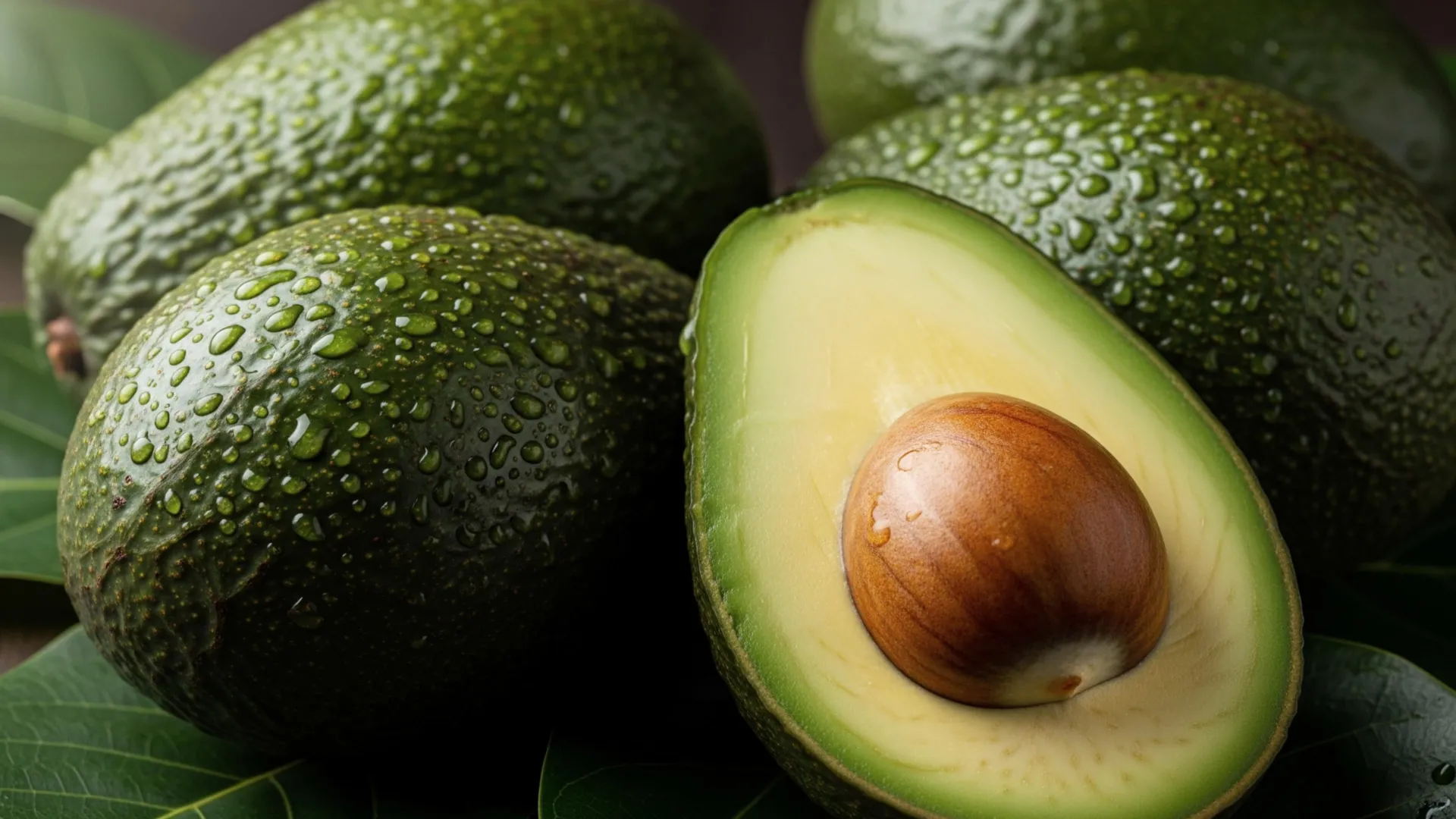
In the evolving landscape of nutritional science, the quest for "silver bullet" dietary interventions often leads to disappointment. However, a significant new study led by the Penn State Department of Nutritional Sciences suggests that a small, sustainable dietary adjustment—adding one avocado to one’s daily routine—can offer tangible benefits for cardiovascular health in adults living with obesity.
The research, published in the Journal of Clinical Lipidology, moves beyond the traditional focus on total cholesterol, instead zeroing in on the concentration of low-density lipoprotein (LDL) particles. By analyzing data from the "Habitual Diet and Avocado Trial," scientists have identified a pathway to modest, yet meaningful, heart disease risk reduction that does not require an overhaul of an individual’s entire lifestyle.
Main Facts: A Simple Addition with Significant Implications
The central finding of the study is that daily avocado consumption is linked to a reduction in the concentration of LDL particles in the blood. While LDL cholesterol—often colloquially termed "bad cholesterol"—is a standard metric in cardiac health, the researchers emphasize that LDL particle concentration provides a more granular and potentially more accurate view of an individual’s cardiovascular risk.
The study observed that participants who consumed one avocado daily for six months experienced a decrease in LDL particle concentration by approximately 49 nanomoles per liter. When extrapolated, researchers estimate this shift corresponds to a roughly 4% reduction in overall heart disease risk.
Perhaps most encouraging for public health advocates is the "real-world" nature of these results. Unlike laboratory-controlled trials where every morsel of food is weighed and mandated, this study allowed participants to maintain their habitual diets. This suggests that the heart-protective benefits of avocados are not contingent upon a restrictive "clean eating" regimen, but can instead be integrated into the existing, varied, and often unpredictable diets of everyday adults.
Chronology: The Journey of the Habitual Diet and Avocado Trial
The current findings are the culmination of a multi-year effort to understand the metabolic impact of the Persea americana (avocado) in a free-living population.
The Trial Framework
The Habitual Diet and Avocado Trial was a rigorous, six-month investigation involving 786 adults aged 25 and older. To qualify for the study, participants had to meet specific markers of abdominal obesity: a waist circumference greater than 40 inches for men and 35 inches for women.
The Methodology
Participants were randomly assigned to one of two groups. The control group was instructed to continue their usual diet and physical activity patterns without intervention. The experimental group was asked to incorporate one whole avocado into their daily diet while otherwise maintaining their normal routines.
Earlier Milestones
This study builds upon previous, highly controlled Penn State research. Several years ago, a study conducted in a strictly monitored environment—where researchers controlled every nutrient intake—confirmed that avocado consumption could lower both LDL cholesterol and LDL particle levels. However, critics of such studies often point out that "lab-controlled" results are difficult to replicate in the chaotic environment of daily life. The current trial, therefore, serves as the "real-world" validation, proving that the cardiovascular benefits persist even when the dietary variables are not perfectly managed.
Supporting Data: Understanding LDL Particle Count
To grasp the significance of these findings, one must distinguish between LDL cholesterol and LDL particles. As lead author Janhavi Damani, a postdoctoral scholar at Penn State, explains, LDL cholesterol cannot navigate the bloodstream alone; it requires "ferry" proteins known as LDL particles.
The "Ferry" Analogy
Consider two individuals, Person A and Person B, both of whom have an identical measurement of 130 mg/dL of LDL cholesterol.
- Person A carries their cholesterol in a few, large, and buoyant LDL particles.
- Person B carries the same amount of cholesterol in many, smaller, and denser LDL particles.
Even though their standard blood test results appear identical, Person B is at a significantly higher risk for cardiovascular disease. The smaller, more numerous particles are more prone to infiltrating the lining of the artery walls. Once inside, these particles contribute to the formation of plaque, which narrows the arteries, reduces their flexibility, and places undue strain on the entire cardiovascular system.
The Mechanism of Risk
When blood vessels become stiffened due to plaque buildup, the heart is forced to work harder to circulate blood. During periods of physical exertion, heat, or emotional stress, these rigid vessels struggle to accommodate the increased blood flow. This leads to spikes in blood pressure, which can trigger acute cardiac events, including heart attacks. By reducing the number of these "ferry" particles, the avocado-rich diet may help mitigate this process.
Official Responses and Expert Perspectives
The research team, which includes experts from Tufts University, UCLA, and Loma Linda University, expressed a cautious but optimistic outlook regarding the findings.
"If people want to improve the quality of their diet, making one small change might be a more feasible strategy than attempting to change their entire diet," Damani stated. "For people with obesity, including avocados in their daily diet might be a good starting place."
Dr. Kristina Petersen, associate professor of nutritional sciences and senior author of the study, highlighted the importance of the study’s ecological validity. "This study demonstrated benefits in the real world, where people’s diets are much less predictable," Petersen noted. She emphasized that while a 4% risk reduction is modest when compared to the 14–29% reduction seen in massive, systemic dietary overhauls, it is a significant "step in the right direction."
The research was supported by the Avocado Nutrition Center, an industry-backed entity, though the study’s design and analysis were conducted independently by the academic team at Penn State to ensure scientific rigor and objectivity.
Implications: A Sustainable Strategy for Public Health
The implications of this research are twofold: they offer a practical tool for individual patients and provide a new perspective for public health nutritionists.
1. The Power of "Small Wins"
One of the most persistent barriers to dietary compliance is the overwhelming nature of "dieting." When patients are told to cut out entire food groups or adhere to rigid caloric deficits, failure rates are high. The "one-change" strategy—simply adding a nutrient-dense food like an avocado—is psychologically easier for individuals to maintain.
2. Universal Applicability
One of the most striking findings was that the benefit was consistent across a wide demographic spectrum. Factors such as sex, race, ethnicity, age, and body mass index did not significantly sway the outcome. This suggests that the cardiovascular benefits of avocados are biologically robust and may be accessible to a diverse population of adults struggling with obesity.
3. A Note of Caution
While the study provides compelling evidence, the researchers are careful not to overstate the results. The addition of an avocado did not result in weight loss or a reduction in waist circumference in this trial. Therefore, it should not be viewed as a "weight-loss hack" but rather as a "heart-health enhancer."
Furthermore, the researchers strongly advise that individuals should consult with a registered dietitian or a physician before making permanent changes to their diet. Dietary needs are highly individualized, and while avocados are rich in healthy fats and fiber, they must fit into the broader context of an individual’s total caloric and nutrient intake.
Conclusion
As we look toward the future of preventive cardiology, the focus is shifting toward interventions that are not only effective but also sustainable. The Penn State research serves as a reminder that the path to a healthier heart does not always require the total abandonment of one’s eating habits. Sometimes, it involves the simple, intentional inclusion of a whole, nutrient-dense food. By reducing the number of LDL particles in the blood, the humble avocado offers a small but meaningful defense against the progression of cardiovascular disease—a welcome addition to the modern, often-challenging, diet.