For millions of people worldwide, the nightly ritual of trying to fall asleep is a source of profound anxiety and frustration. Chronic insomnia—a condition characterized by persistent difficulty falling or staying asleep—has long been managed through a combination of cognitive behavioral therapy (CBT-I) and pharmacological interventions like hypnotics or sedative-antidepressants. However, these treatments often come with side effects, dependency risks, or limited long-term efficacy.
Now, a groundbreaking randomized clinical trial published in the Journal of Internal Medicine suggests that the solution to a restless night may not be found in the brain, but rather in the gut. Researchers have discovered that by modulating the gut microbiome through targeted microbial therapy, patients suffering from chronic insomnia may experience significant improvements in sleep efficiency and overall sleep quality.
The Core Discovery: Targeting the Microbiome
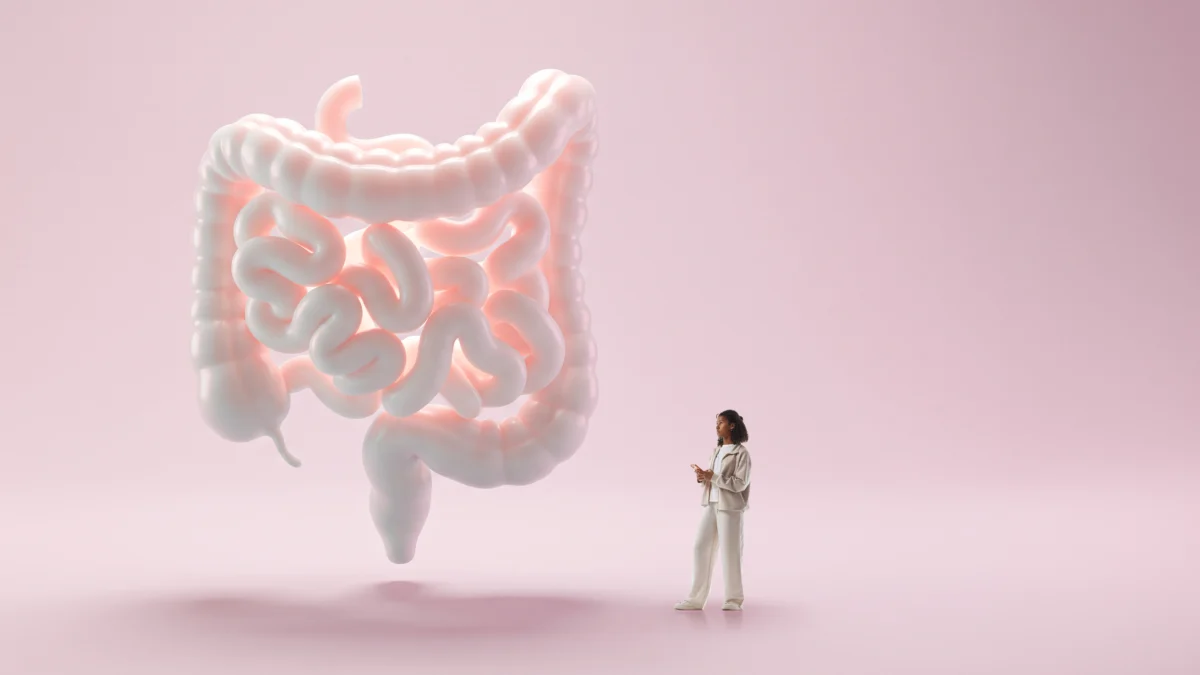
The gut-brain axis—a complex, bidirectional communication network linking the enteric nervous system with the central nervous system—has become a focal point of medical research over the past decade. Scientists have long suspected that the trillions of bacteria residing in our digestive tracts play a role in regulating everything from mood to immune function.
This latest study takes that hypothesis a step further, testing whether the deliberate alteration of gut bacteria can alleviate the physiological markers of insomnia. By administering capsules containing fecal microbes from healthy, screened donors, researchers aimed to "reboot" the microbiome of patients struggling with chronic sleep disturbances.
Chronology of the Clinical Trial
The study was structured as a multicenter, double-blind, placebo-controlled trial, representing the gold standard in clinical research. The research process unfolded over several months to ensure the integrity of the data and the safety of the participants:
- Participant Selection: The study enrolled 80 adults diagnosed with chronic insomnia. Participants were screened rigorously to ensure their sleep issues were not secondary to other medical conditions.
- The Intervention Phase: Participants were divided into two equal groups of 40. The treatment group underwent a short-course antibiotic pretreatment designed to clear the existing gut environment, followed by the ingestion of donor-derived fecal microbiota capsules. The control group received placebo capsules without the antibiotic pretreatment.
- Data Collection: Researchers utilized overnight polysomnography—the "gold standard" for sleep study measurement—to objectively monitor brain waves, oxygen levels, and heart rate during sleep.
- Post-Treatment Monitoring: Participants were evaluated one month after the treatment, with follow-up surveys regarding their sleep quality continuing for up to six months to track the longevity of the effects.
Supporting Data: The Numbers Behind the Sleep
The results of the trial were striking, offering a quantitative argument for the efficacy of gut-targeted treatments. According to the data, the intervention group showed a significant improvement in sleep architecture compared to those who received the placebo.
One month after the administration of the microbiota capsules, patients demonstrated:
- Improved Sleep Efficiency: The treatment group showed an adjusted between-group difference of 13.9 percentage points in sleep efficiency compared to the placebo group.
- Reduced Wake After Sleep Onset (WASO): Participants reported and were observed having fewer interruptions throughout the night, leading to more consolidated periods of rest.
- Sustained Subjective Quality: Utilizing the Insomnia Severity Index (ISI) and the Pittsburgh Sleep Quality Index (PSQI), researchers found that patients’ self-reported sleep quality remained significantly higher than baseline measurements for up to six months post-treatment.
- Safety Profile: The treatment was found to be exceptionally well-tolerated. Only mild, self-limiting adverse events were reported, and no serious medical complications arose, suggesting that the protocol could be a viable long-term treatment option for the general population.
Official Responses and Expert Perspective
The findings have generated significant buzz within the sleep medicine and gastroenterology communities. Dr. Yanping Bao, PhD, of Peking University in Beijing, and co-corresponding author of the study, emphasized the broader implications of the trial in a recent press release.
"Our findings provide clinical evidence that targeting the gut microbiota may offer a promising new therapeutic strategy for chronic insomnia disorder," Dr. Bao stated. "This work also strengthens our understanding of the gut-brain axis as an important regulator of human sleep."
The study highlights that the intervention did more than just improve sleep; it physically changed the gut landscape. Post-treatment analysis showed increased microbial richness and diversity, as well as a fundamental shift in the community structure of the gut bacteria. This suggests that the "healthy" microbes introduced via the capsules successfully colonized the participants’ systems, potentially correcting an underlying imbalance that contributed to their insomnia.
Implications for Future Medicine
The success of this trial opens the door to a new paradigm in sleep medicine. If chronic insomnia can be treated by addressing the gut microbiome, it shifts the focus from managing symptoms (like using sedatives to induce unconsciousness) to addressing a potential underlying cause (the biological signaling between the gut and the brain).
The Challenge of Heterogeneity
Despite the positive outcomes, the researchers were quick to note a phenomenon known as "treatment heterogeneity." Not every participant responded to the therapy with the same level of success. The authors suggest that an individual’s "baseline microbial composition"—the unique starting state of their gut health—may dictate how effectively the donor microbes integrate and influence sleep patterns.
Future research will likely focus on:
- Personalized Microbiome Profiling: Determining if certain "gut types" are better candidates for this treatment than others.
- Refining Donor Protocols: Identifying the specific strains of bacteria that are most effective at promoting sleep, which could lead to the development of synthetic "smart probiotics" rather than requiring full fecal microbiota transplants.
- Long-term Stability: Assessing how long these changes last beyond the six-month mark and whether booster treatments might be required.
A Paradigm Shift in Chronic Care
Chronic insomnia is not merely an inconvenience; it is a major public health concern linked to cardiovascular disease, cognitive decline, depression, and metabolic disorders. By proving that the gut-brain axis plays a pivotal role in sleep regulation, this study suggests that we may soon be able to treat insomnia with the same precision we apply to other systemic health conditions.
While we are not yet at the stage where doctors will prescribe "microbiome pills" as a first-line treatment for insomnia, the data is undeniable. The bridge between the digestive system and the brain is much shorter than previously thought. As the medical community continues to peel back the layers of the microbiome, it is becoming increasingly clear that the path to a better night’s sleep may start in the kitchen and the gut, rather than the medicine cabinet.
Final Thoughts
This research serves as a beacon of hope for the millions of people who have found little relief in traditional therapies. By focusing on the biological foundations of health, researchers are proving that even the most stubborn, long-standing conditions can be addressed through innovative, evidence-based science. As the field evolves, the integration of gastroenterology into sleep medicine may well become the new standard of care, offering a more holistic and sustainable approach to one of humanity’s oldest struggles: the inability to find rest.
Disclaimer: This article is intended for informational purposes only and does not constitute medical advice. Please consult with a healthcare professional regarding any concerns about sleep disorders or before starting any new treatment protocols.