For over two millennia, the medical community has operated under a singular, uncompromising mandate: seek and destroy. From the cauterization techniques of the ancient Greeks to the high-precision radiation and targeted immunotherapy of the modern era, the war against cancer has been defined by a strategy of annihilation. Yet, despite trillions of dollars spent and centuries of research, the disease remains one of the most persistent threats to human life.
Now, a group of researchers led by Professor Indraneel Mittra at the Advanced Centre for Treatment, Research and Education in Cancer (ACTREC) in Mumbai, India, is challenging this foundational doctrine. Their proposal is as radical as it is elegant: What if the key to curing cancer is not to destroy the tumor, but to coax it into a state of healing?
The "Wound That Never Heals"
The intellectual roots of this approach date back to 1986, when Dr. Harold Dvorak famously posited in the New England Journal of Medicine that cancer behaves fundamentally like a "wound that never heals." Dvorak noted that malignant tumors and chronic, non-healing wounds share a startling array of biological signatures, including inflammation, cell proliferation, and the remodeling of the surrounding tissue.
Professor Mittra has spent years expanding upon this observation. He argues that by treating cancer exclusively as an enemy to be exterminated, modern medicine ignores the biological signals that perpetuate tumor growth. If we view cancer as a dysregulated wound, the goal shifts from "scorched earth" tactics—which often leave the patient depleted and vulnerable—to a strategy of "biochemical modulation" that guides the tumor toward a benign or healed state.
A Breakthrough in Glioblastoma Research
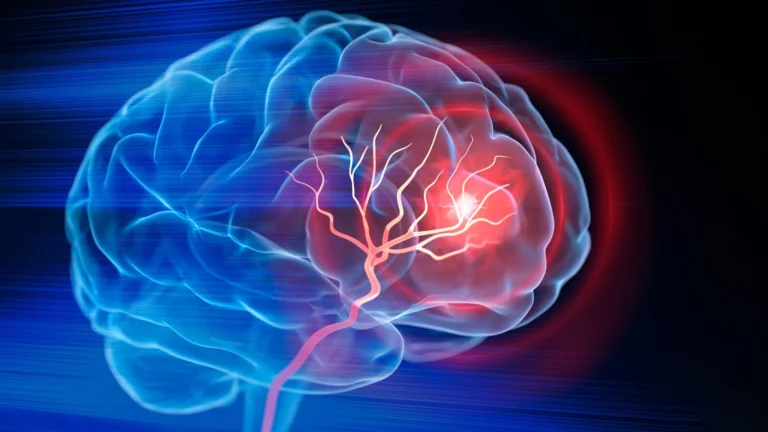
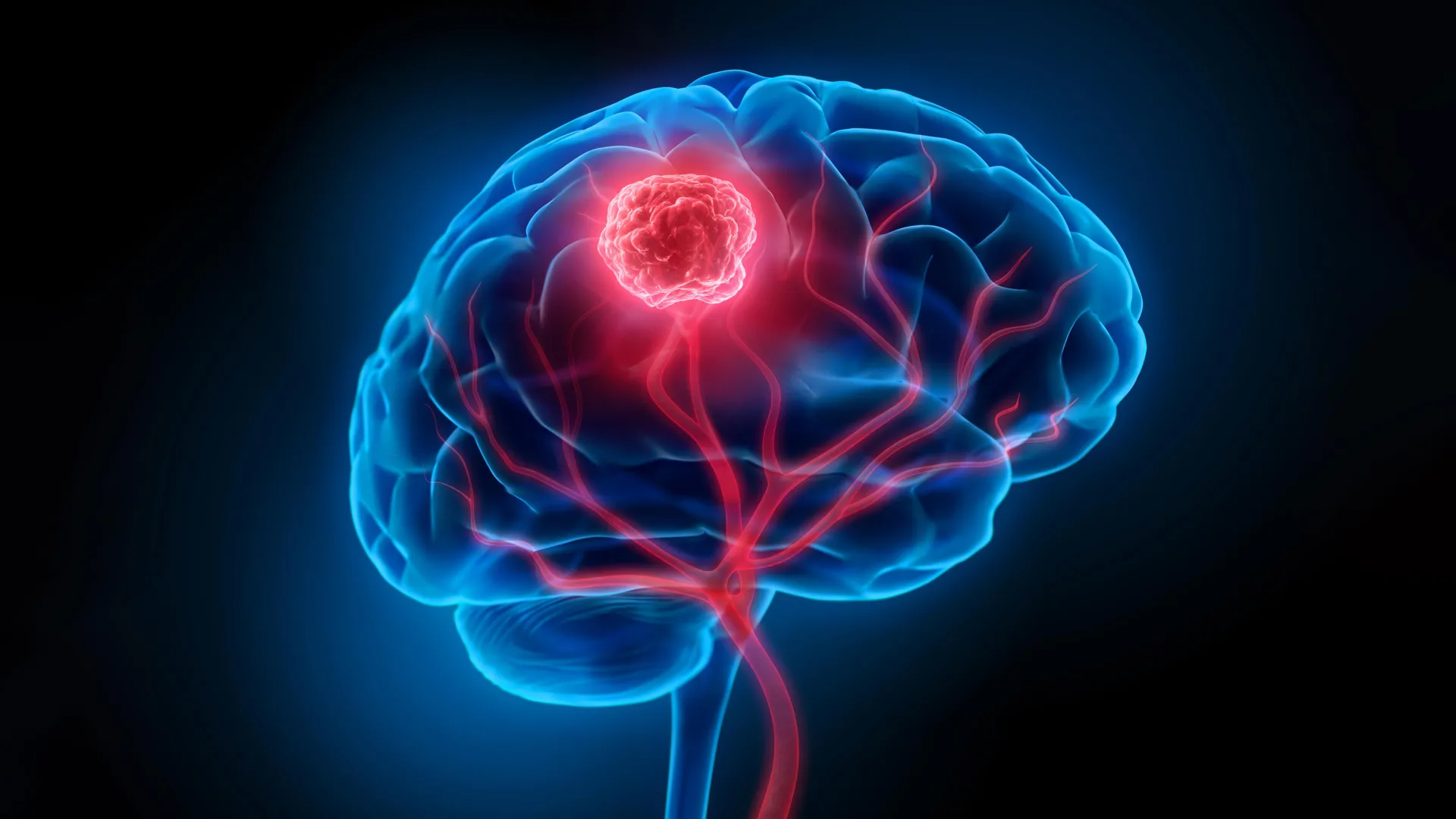
The most compelling evidence for this shift comes from a recent study published in BJC Reports. The team turned their attention to glioblastoma, a terminal brain cancer notorious for its rapid progression and resistance to conventional therapies. Despite surgery, chemotherapy, and radiotherapy, the median survival rate for glioblastoma patients remains a sobering 15 months.
In a pilot study, Professor Mittra and his colleagues enrolled ten patients diagnosed with glioblastoma. These patients were administered a simple, low-cost tablet containing a combination of two common nutraceuticals: resveratrol and copper. The regimen was modest, consisting of four doses a day for an average of just 11.6 days prior to their scheduled neurosurgery. A control group of ten similarly afflicted patients received no such intervention.
Upon surgical removal of the tumors, the researchers performed an exhaustive comparative analysis, utilizing microscopy, immune-staining, immunofluorescence, and transcriptome analysis. The findings were not merely promising; they were transformative. The tumors of those who took the resveratrol-copper combination showed a marked reduction in aggression, effectively "calming" the biological mechanisms that drive the cancer’s runaway growth.
The Mechanism: Neutralizing the "Cell-Free" Threat
To understand how such a simple combination of nutraceuticals could alter the biology of a brain tumor, one must look at the "cell-free chromatin particles" (cfChPs).
As cancer cells die—whether through natural processes or the onslaught of chemotherapy—they release fragments of their DNA into the surrounding environment. These fragments, or cfChPs, are not biologically inert. Instead, they act as toxic triggers that inflame surviving cancer cells, essentially signaling them to become more aggressive, migratory, and resistant to treatment.
Professor Mittra’s team discovered that the combination of resveratrol and copper generates oxygen radicals that specifically deactivate and destroy these cfChPs. By effectively "cleaning up" the DNA debris left by dying cells, the nutraceuticals prevent the inflammatory feedback loop that allows glioblastoma to thrive.
"The cell-free chromatin particles inflame the surviving cancer cells, making the disease more aggressive," Professor Mittra explains. "If you eliminate these particles, the cancer is subdued. We are seeing these tumors move toward a healed state."
Implications: The End of Costly Toxicity?
Perhaps the most striking aspect of the study is the profile of the treatment itself. The patients who took the resveratrol-copper tablets experienced zero side effects—a stark contrast to the grueling toxicity associated with standard chemotherapy and immunotherapy.
Moreover, the study revealed that this combination successfully downregulates multiple immune checkpoints. In modern oncology, immune checkpoint inhibitors are considered the "gold standard" for unleashing the body’s immune system against tumors. However, these drugs are prohibitively expensive and often carry significant, sometimes life-altering side effects.
The fact that a simple, inexpensive, and non-toxic nutraceutical blend could potentially achieve similar biological results suggests a seismic shift in the accessibility of cancer care. If these findings are replicated in larger clinical trials, the implications for global healthcare could be profound, offering a low-cost, patient-friendly alternative to the current, high-cost pharmaceutical model.
A Chronology of the Research
- 1986: Dr. Harold Dvorak publishes his landmark hypothesis that cancer is a "wound that never heals," laying the theoretical groundwork for future regenerative approaches.
- Pre-2023: Professor Mittra’s team conducts foundational research confirming that resveratrol and copper, when combined, produce the specific oxygen radicals required to neutralize cfChPs.
- 2023–2024: The team conducts a pilot clinical trial at ACTREC, enrolling ten glioblastoma patients for a short-term, pre-surgical intervention.
- 2024: Results published in BJC Reports, demonstrating significant reductions in tumor aggression and immune checkpoint activity with zero side effects.
- Current Status: The research team is now advocating for larger, multicenter clinical trials to validate the efficacy of this "healing" approach across a broader patient demographic.
Official Responses and Scientific Skepticism
The medical community has received the findings with a mix of cautious optimism and professional rigor. While the small sample size (ten patients) is an obvious limitation acknowledged by Professor Mittra himself, the clarity of the biological data has generated considerable interest.
"We have been trying to kill cancer cells for 2,500 years, since the time of the ancient Greeks, without success," says Professor Mittra. "Maybe it is time to look at cancer treatment differently and work towards healing tumors, rather than annihilating them. While our study was small, the results were so striking that I fully expect them to be replicated in a larger sample."
Peer reviewers have noted that the "healing" hypothesis is a departure from the "warfare" model, which will require significant longitudinal data to confirm. There is a need to determine if this treatment can lead to long-term remission or if it acts primarily as a supportive therapy to be used in tandem with conventional surgery.
The Future: A Paradigm Shift?
The work at the Tata Memorial Centre is supported by the Department of Atomic Energy, Government of India, signaling the state’s recognition of the potential importance of this research. By moving away from the "annihilation" model and toward a "restorative" one, Professor Mittra’s team is asking the scientific community to reconsider the very definition of a cure.
If cancer can be tamed—if a malignant tumor can be nudged into a benign, controlled state—the burden on the patient’s body and the global healthcare economy could be reduced significantly. As the research moves into the next phase of clinical verification, the global oncological community will be watching closely.
We may be witnessing the beginning of a quiet revolution: a transition from the brutal battlefields of traditional oncology to a more refined, biological approach that treats the patient as a whole and the tumor as a problem to be solved, rather than an enemy to be destroyed. Whether this "healing" strategy will become the new standard of care remains to be seen, but for millions of patients, it offers a glimmer of hope that the path forward may be less about the struggle and more about the recovery.