







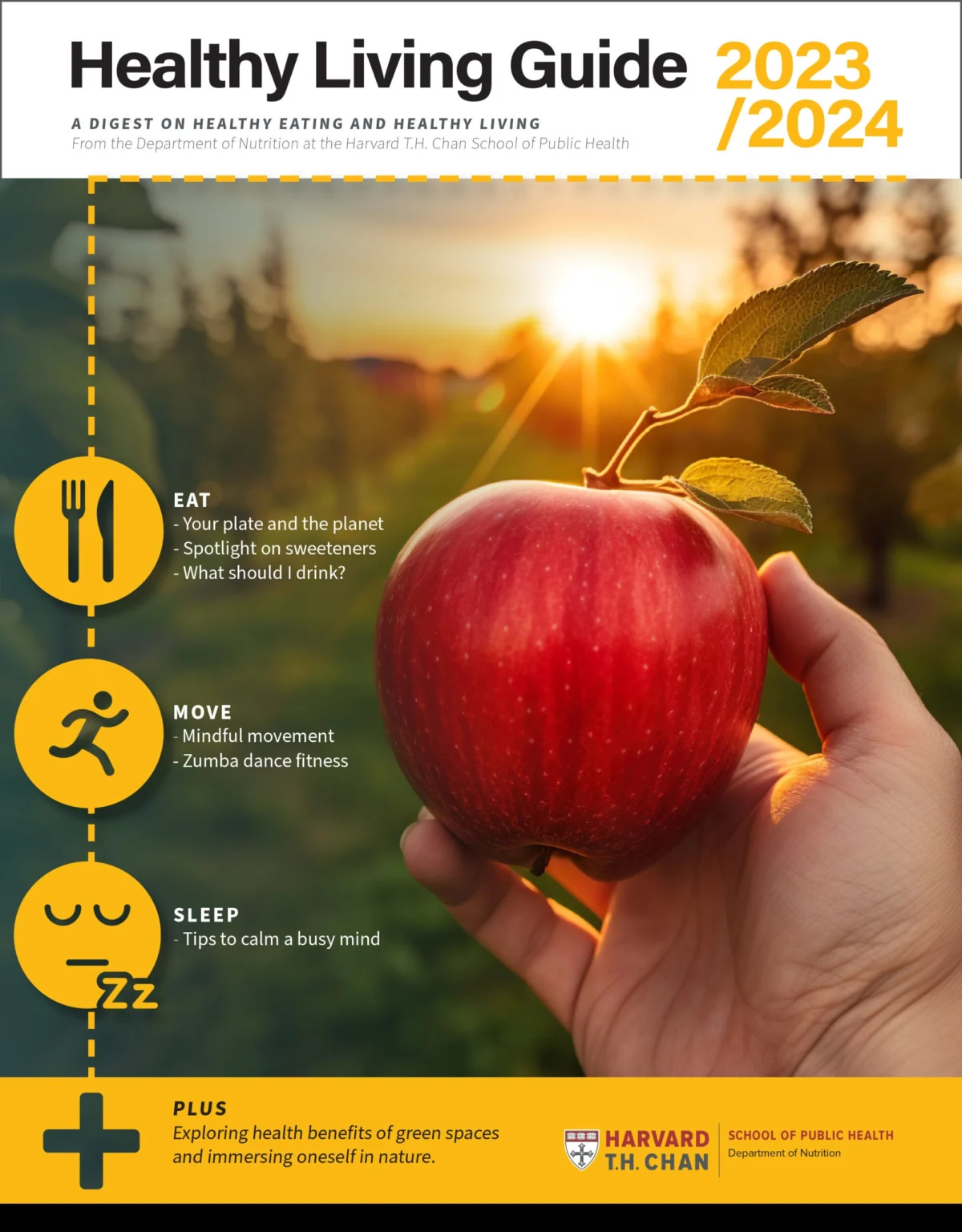
In an era defined by rapid technological advancement and often overwhelming lifestyle stressors, the quest for sustained personal well-being has never been more critical. As the calendar turned to 2024, the Department of Nutrition at the Harvard T.H. Chan School of Public Health released its fourth annual Healthy Living Guide. This year’s publication marks a significant evolution in the school’s approach to public health, pivoting toward a more holistic, mindfulness-based philosophy that seeks to bridge the gap between individual biological health and the health of the broader ecosystem.
Main Facts: A New Paradigm for Public Health
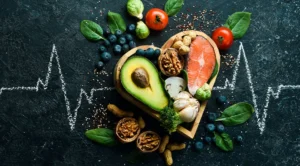
The 2023-2024 Healthy Living Guide is not merely a collection of dietary recommendations; it is a synthesis of the most current peer-reviewed research designed to empower individuals to make sustainable lifestyle choices. At the heart of this edition is a profound thematic integration of mindfulness.
The publication coincides with a milestone for the department: the inauguration of the Thich Nhat Hanh Center for Mindfulness in Public Health. This center serves as the intellectual engine for the guide’s new focus, exploring how mindfulness—often relegated to the realm of personal meditation—can be scaled to address population-level challenges. By viewing "the apple in one’s hand as the body of the cosmos," the researchers are advocating for a paradigm shift where the act of eating is recognized as a profound connection between the individual, the environment, and global food systems.
Key pillars of this year’s guide include:
- Mindful Eating: Strategies for fostering a conscious relationship with food to improve digestion, satiety, and ecological awareness.
- Nutritional Science: Updated evidence on the impact of ultra-processed foods (UPFs) on long-term cognitive and physical health.
- Physical Activity: A departure from traditional exercise norms, highlighting the role of movement—such as dance and rhythmic activity—in enhancing mental well-being.
- Sleep Hygiene: An exploration of chronotypes and how individual biological rhythms dictate health outcomes.
Chronology: The Evolution of the Healthy Living Guide
The genesis of the Healthy Living Guide series began as a strategic response to the fragmentation of health information available to the public.
- 2020-2021 (The Inaugural Edition): Launched during the height of the global pandemic, the first edition focused on foundational nutrition and immunity, providing a bedrock of evidence-based advice during a period of widespread misinformation.
- 2021-2022 (The Resilience Phase): The second edition expanded its scope to include the psychosocial impacts of prolonged isolation, emphasizing the "whole-person" approach to health.
- 2022-2023 (The Integration Phase): This iteration introduced more robust data on sleep and stress management, solidifying the guide’s reputation as a comprehensive wellness manual.
- 2023-2024 (The Mindfulness Era): The current edition marks the transition from purely physiological health to a more integrated model that includes mental health, planetary consciousness, and systemic public health interventions.
Supporting Data: The Science Behind the Recommendations
The credibility of the Healthy Living Guide lies in its rigorous adherence to data-driven research. This year, the department has synthesized findings that have significant implications for modern lifestyle habits.
The Ultra-Processed Food Crisis
Research highlighted in the guide indicates a strong correlation between the consumption of ultra-processed foods and declining mental health markers. Data suggests that diets high in refined sugars, synthetic additives, and artificial preservatives are linked not only to metabolic diseases like Type 2 diabetes and obesity but also to increased rates of depressive symptoms. The guide emphasizes that the "body-mind" connection is mediated by the gut microbiome, which is significantly altered by the chemical compositions of highly processed diets.
Movement as Medicine
The guide challenges the traditional, often rigid, view of "exercise." By citing research on the neuro-chemical benefits of rhythmic movement—such as Zumba or other forms of dance—the authors demonstrate that enjoyment is a key factor in adherence. When movement is tied to community engagement and joy, the physiological benefits, including heart rate variability and cortisol regulation, are amplified compared to solitary, high-intensity training.
The Chronotype Revolution
A standout section of the guide explores the science of "chronotypes"—the natural inclination of a person’s circadian rhythm to favor morning, evening, or intermediate hours. The guide provides evidence that pushing against one’s natural chronotype (often referred to as "social jetlag") can lead to chronic fatigue and hormonal imbalances. Understanding one’s internal clock is presented as a vital step in optimizing sleep hygiene, which is the cornerstone of metabolic health.
Official Responses and Expert Perspectives
The academic community and public health advocates have largely praised the shift toward mindfulness. Dr. [Name of Lead Researcher/Department Head, if applicable], in internal briefings regarding the guide, noted, "We are moving past the era of the ‘calories in, calories out’ model. Our research now confirms that the context, intention, and quality of our daily habits are just as important as the quantity of nutrients we consume."
The Thich Nhat Hanh Center for Mindfulness in Public Health has positioned its research to influence policy. By documenting the health outcomes of mindful practices, the Center aims to provide evidence that could eventually be used to integrate wellness programs into workplace, school, and community environments. This is a significant pivot from individual-only responsibility to a systemic, population-level intervention strategy.
Implications for the Public
The release of the 2023-2024 guide holds several profound implications for the average reader.
1. The Democratization of Health
By providing the guide as a free, printable PDF, the Harvard T.H. Chan School of Public Health is actively working to dismantle the barriers of "exclusive" wellness. The democratization of this information allows families, community leaders, and educators to utilize evidence-based tools without the financial burden often associated with private health coaching.
2. Ecological Consciousness as a Health Metric
One of the most radical implications of this year’s guide is the alignment of personal health with planetary health. The research suggests that the most mindful diets—those that prioritize whole, unprocessed foods—are also the most sustainable for the environment. By encouraging readers to consider the source of their food, the guide creates a bridge between personal longevity and the sustainability of the global food chain.
3. Sustainability in Lifestyle
The guide rejects the "New Year’s Resolution" culture of temporary, radical changes. Instead, it advocates for a "lifestyle of consistency." By offering tools to test one’s own health knowledge—referencing previous years’ guides—the authors encourage a cumulative learning process. The implication is clear: true health is not a destination achieved in January, but a continuous practice of awareness maintained throughout the year.
Conclusion: A Call to Mindful Action
As we navigate 2024, the Healthy Living Guide stands as a beacon of clarity in a noisy information landscape. It invites the public to pause, evaluate their habits, and adopt a more intentional approach to living. Whether it is through the careful selection of whole foods, the integration of joyful movement, or the honoring of one’s unique circadian rhythm, the guide provides a blueprint for a life that is both healthy and deeply fulfilled.
For those looking to engage with this material, the Department of Nutrition encourages not just reading, but implementation. By utilizing the printable tip sheets and engaging with the online resources provided, individuals can begin to construct a daily routine that mirrors the complexity and beauty of the world around them.
The journey toward health is, as the guide suggests, a journey of mindfulness. In the words of Thich Nhat Hanh, "The apple in your hand is the body of the cosmos." When we treat our daily habits with such reverence, we are not just caring for ourselves—we are participating in the wellness of the world.