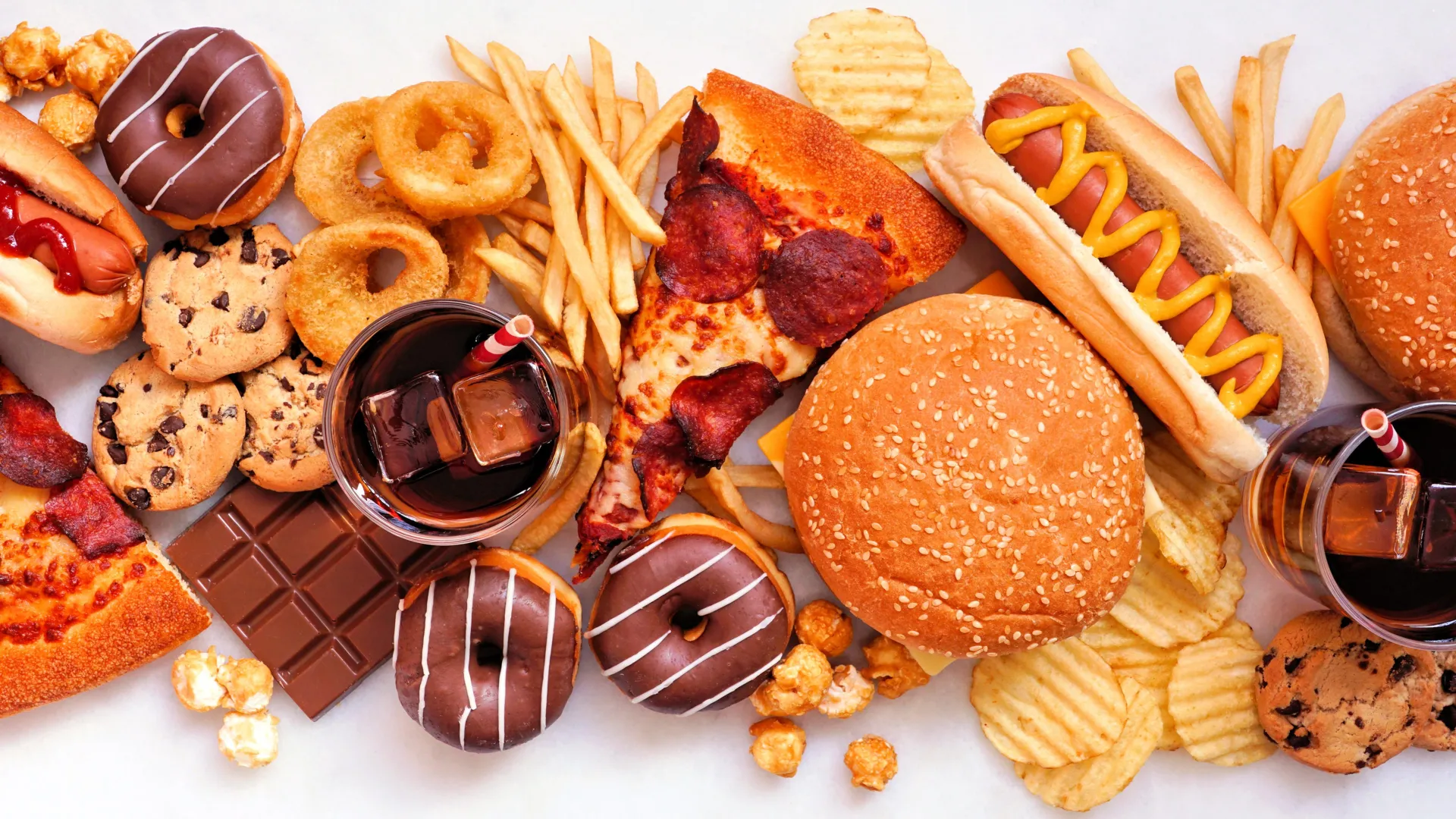
In the modern American diet, the line between nourishment and industrial engineering has become increasingly blurred. Ultra-processed foods (UPFs)—a category encompassing everything from neon-colored snack chips and sugary breakfast cereals to mass-produced deli meats and shelf-stable frozen meals—now constitute a staggering majority of the caloric intake for the average U.S. citizen. New data suggests that this dietary shift may carry a grave, long-term price: a significant increase in the risk of developing prostate cancer.
A landmark study conducted by researchers at Florida Atlantic University’s (FAU) Charles E. Schmidt College of Medicine has shed new light on the potential carcinogenic dangers of a diet heavy in industrial additives. As the medical community grapples with rising rates of chronic disease, these findings serve as a sobering reminder that the convenience of the modern pantry may be compromising the longevity of the American male.
The Landscape of Consumption: What Defines an Ultra-Processed Food?
To understand the scope of the problem, one must first define the subject. UPFs are not merely "processed" in the traditional sense of canning or freezing; they are products created through complex industrial processes. According to the NOVA classification system, which categorizes foods by the extent of their industrial processing, UPFs are formulations made mostly or entirely from substances derived from foods (oils, fats, sugar, starch, and protein isolates) and contain little to no whole food.
These items are specifically engineered for hyper-palatability, long shelf life, and low production costs. They are laden with additives such as emulsifiers, artificial colors, and synthetic flavorings that manipulate human biology in ways that are only now being fully understood. Today, these products account for nearly 60% of the calories consumed by American adults and an alarming 70% of those consumed by children. The prevalence of these items in the average diet is not merely a matter of personal choice; it is a structural reality of the contemporary food supply chain.
Chronology of Evidence: From Metabolic Disruption to Cancer
The scientific narrative regarding UPFs has evolved rapidly over the last decade. Historically, the medical community focused on the caloric density of these foods, linking them to the obesity epidemic. However, recent research has moved beyond simple calorie counting to examine the physiological mechanisms triggered by chemical additives and ultra-processing techniques.
Scientists have long hypothesized that UPFs contribute to cancer through a "perfect storm" of biological insults. These include:
- Systemic Inflammation: Chronic, low-grade inflammation is a known precursor to many forms of malignancy.
- Metabolic Derangement: The rapid absorption of sugars and refined carbohydrates in UPFs can lead to insulin resistance and dysregulated hormone levels.
- Oxidative Stress: The high concentration of additives and the lack of protective antioxidants found in whole foods can lead to cellular damage.
- Microbiome Alteration: The specific additives used to improve texture and shelf life have been shown to disrupt the delicate ecosystem of the gut bacteria, which plays a crucial role in immune function and cancer prevention.
While these mechanisms were established in the context of cardiovascular disease and metabolic syndrome, the link to specific cancers remained largely theoretical—until now.
Supporting Data: The FAU Prostate Cancer Study
Published in The American Journal of Medicine, the FAU study represents one of the most comprehensive investigations into the relationship between UPF consumption and prostate cancer to date. By analyzing data from 17,024 U.S. men participating in the National Health and Nutrition Examination Survey (NHANES) between 2003 and 2023, the researchers created a robust, nationally representative picture of the American male population.
Methodology and Findings
The researchers utilized two 24-hour dietary recalls from each participant to categorize their daily intake. Using the NOVA system, participants were divided into four quartiles based on their percentage of daily calories derived from UPFs. The groups ranged from those consuming less than 20% of their calories from these sources to those consuming more than 44%.
The results were statistically compelling. Men in the three highest consumption quartiles faced a 29% greater risk of developing prostate cancer compared to those in the lowest consumption group. When isolating the two highest consumption groups, the risk escalated to 30%. Even after researchers adjusted for critical confounding variables—including age, race, ethnicity, smoking history, and poverty status—the increased risk remained significant, ranging from 24% to 31%.
While men in the single highest intake group showed a potential 34% increase in risk, the researchers noted that this specific data point did not reach full statistical significance, likely due to the smaller sample size of cancer cases within that specific subset. Nevertheless, the trend line is clear: the more the diet shifts toward the industrial, the higher the risk for the prostate.
Official Responses and Clinical Implications
The lead author of the study, Dr. Charles H. Hennekens, the First Sir Richard Doll Professor of Medicine and Preventive Medicine at FAU, has been unequivocal in his assessment of the findings. "Among adult men in this nationally representative U.S. population, those who consumed higher amounts of UPFs had significantly higher risks of the subsequent development of prostate cancer," Dr. Hennekens noted.
For the medical community, the implications are profound. Prostate cancer is currently the most commonly diagnosed cancer among men in the United States and the second leading cause of cancer-related mortality in the male population. With the American Cancer Society estimating that more than 333,000 men will be diagnosed in 2026 alone, the potential to mitigate this burden through dietary intervention is massive.
Dr. Timothy De Ver Dye, a professor and chair of FAU’s Department of Population Health and a co-author of the study, emphasizes that the solution cannot rest solely on the shoulders of the individual. "Reducing consumption of UPFs is a complex public health challenge," Dr. Dye stated. "Healthcare providers should recognize that many patients face barriers to accessing and affording healthier food options. Addressing these challenges will require efforts that extend beyond individual choices to support greater access to nutritious, minimally processed foods."
The "Tobacco Parallel" and Future Public Health Debates
Perhaps the most provocative aspect of the researchers’ analysis is the comparison to the tobacco industry. The authors argue that the current state of the food industry mirrors the mid-20th-century landscape of the tobacco industry. Just as decades of lobbying and marketing obscured the dangers of cigarettes, the current food environment prioritizes profitability over public health.
The researchers suggest that the "trajectory" of UPFs will likely follow that of tobacco: an initial period of widespread, uncritical acceptance followed by a slow, evidence-driven realization of harm, and finally, a long, contentious battle for regulatory reform. By framing the UPF crisis as a public health issue similar to tobacco, the FAU team is challenging policymakers to consider whether the current industrial food model is compatible with a healthy, aging population.
Conclusion: A Call to Action for Patients and Providers
As the global burden of prostate cancer continues to climb—with nearly 1.5 million diagnoses worldwide in 2022—the need for preventative strategies is more urgent than ever. While genetic and environmental factors are beyond individual control, dietary intake is one of the few modifiable variables in cancer prevention.
Dr. Hennekens concludes with a directive for both sides of the examination table: "All healthcare professionals should encourage patients to adopt healthy lifestyle practices and evidence-based therapies, while also helping them reduce their consumption of ultra-processed foods. Patients and their healthcare providers should consider this finding as part of broader efforts to promote healthier dietary choices."
The evidence is mounting: the modern diet is not just fueling a crisis of obesity or cardiovascular disease; it is potentially interfering with the fundamental health of the male reproductive system. As the scientific community continues to peel back the layers of industrial food production, the message for the public becomes increasingly clear: for the sake of long-term health, we must move away from the lab-created pantry and back to the whole foods that have sustained human life for millennia.