











In an era defined by the rapid accessibility of ready-to-eat meals, the modern diet has undergone a radical transformation. For decades, the nutritional landscape has shifted away from whole, unprocessed ingredients toward industrially manufactured products engineered for shelf stability, flavor enhancement, and convenience. Now, a groundbreaking study published in the journal Radiology suggests that this shift may be exacting a physical toll that extends far beyond traditional concerns like weight gain or cardiovascular disease: it may be fundamentally altering the composition of our muscles.
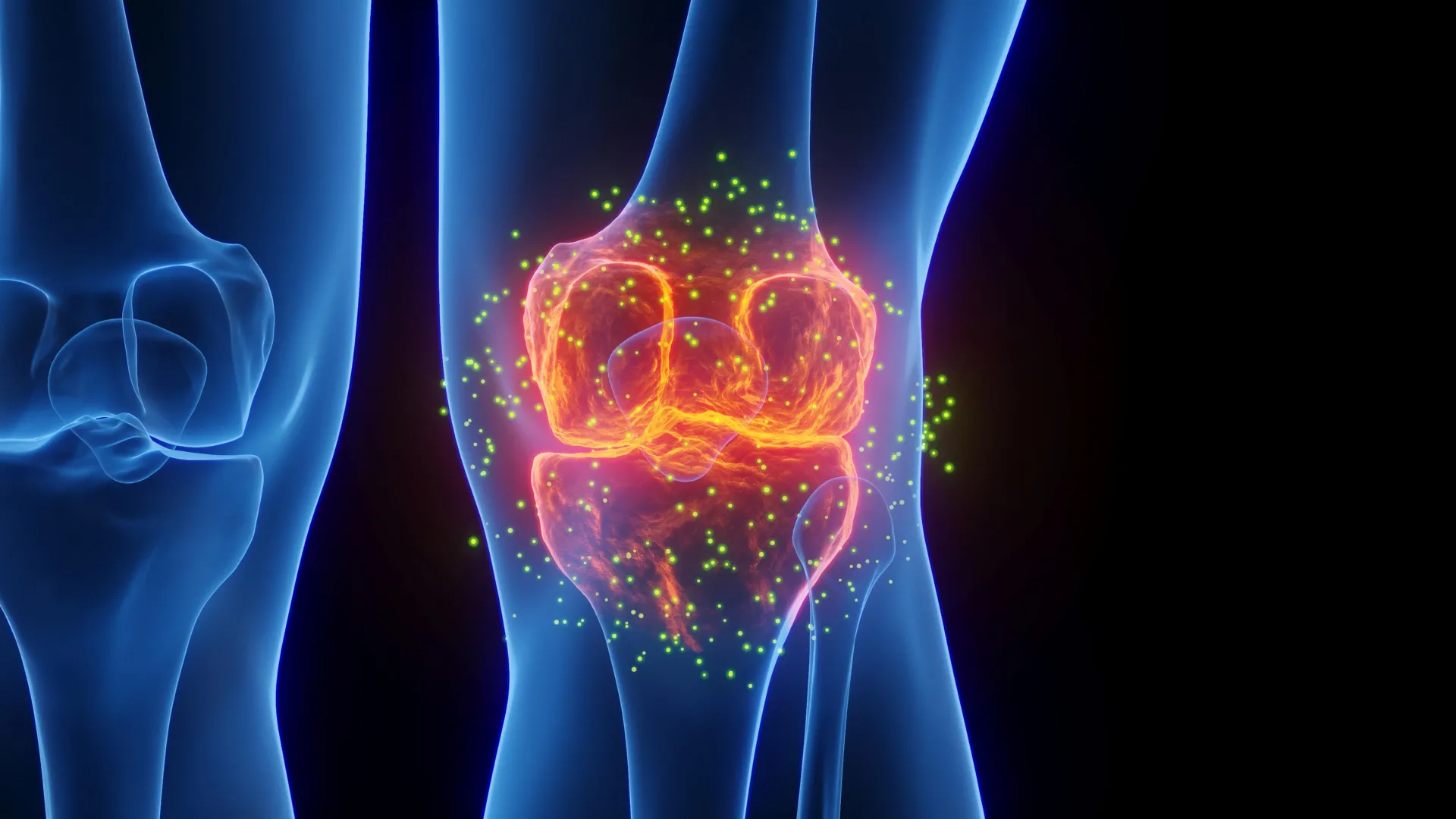
Researchers have discovered a direct link between the consumption of ultra-processed foods (UPFs) and the accumulation of fat within the thigh muscles. This "fatty degeneration" is not merely a cosmetic concern; it is a significant risk factor for knee osteoarthritis (OA), a debilitating condition that affects millions globally and stands as one of the most significant non-cancer-related healthcare costs in the United States.
The Science of Muscle Composition: Beyond the Calorie Count
For years, the medical community has focused on caloric restriction and exercise as the primary interventions for joint health. However, this new research, led by Dr. Zehra Akkaya of the University of California, San Francisco (UCSF), suggests that the quality of calories may be just as critical as the quantity.
The study utilized MRI technology to analyze the thigh muscle composition of 615 participants involved in the Osteoarthritis Initiative—a long-term, NIH-sponsored research program. The findings were stark: participants who consumed higher levels of ultra-processed foods exhibited greater amounts of intramuscular fat, a condition where streaks of fat infiltrate muscle tissue, effectively replacing healthy muscle fibers.
Crucially, this association remained statistically significant even after the researchers accounted for confounding factors such as total calorie intake, physical activity levels, body mass index (BMI), and socioeconomic status. This indicates that the deleterious effects of ultra-processed foods on muscle tissue occur independently of whether a person is technically "overweight" or "obese."
Defining the "Ultra-Processed" Threat
To understand the implications of the study, one must first define the scope of ultra-processed foods. These products are typically formulated from five or more ingredients, often including additives like high-fructose corn syrup, hydrogenated oils, artificial coloring, and emulsifiers. They are designed to stimulate the brain’s reward centers, often creating a hyper-palatable experience that makes them difficult to consume in moderation.
Common culprits identified in the study include:
- Convenience Staples: Frozen pizzas, ready-to-eat microwaveable meals, and mass-produced packaged breads.
- Processed Proteins: Hot dogs, sausages, and reconstituted meat products.
- Snack Foods: Packaged chips, candies, and mass-market desserts.
- Beverages: Soft drinks, energy drinks, and heavily sweetened, processed dairy products.
Dr. Akkaya notes that these items have largely replaced natural, nutrient-dense ingredients in the Western diet, mirroring the global rise in both obesity and osteoarthritis. By replacing essential vitamins, minerals, and fibers with chemically altered compounds, the modern diet is effectively starving the musculoskeletal system of the nutrients required for healthy maintenance.
Chronology of the Research: From Data Collection to Clinical Insight
The study’s methodology was built upon the rigorous data provided by the Osteoarthritis Initiative, which has been tracking participants to better understand the onset and progression of knee joint degeneration.
- Selection and Baseline: The researchers identified 615 participants (275 men and 340 women) with an average age of 60. At the time of the analysis, none of these individuals showed imaging-based evidence of osteoarthritis, making them the ideal subjects to observe the pre-clinical changes in muscle tissue.
- Dietary Assessment: Participants provided comprehensive data regarding their food intake over the preceding year. The researchers classified these diets using established nutritional guidelines to determine the percentage of ultra-processed content. On average, the cohort consumed 41% of their daily calories from UPFs.
- Imaging Analysis: Using non-enhanced, widely available MRI technology, the researchers scanned the participants’ thigh muscles. Unlike previous studies that might have required expensive, specialized imaging, the team opted for a practical approach that could eventually be integrated into routine clinical diagnostics.
- Correlation Mapping: The researchers cross-referenced the dietary data with the MRI findings, identifying the direct correlation between the frequency of UPF consumption and the density of intramuscular fat.
Supporting Data: Why Fat in Muscle Matters
The presence of fat within the thigh muscle—often referred to as intramuscular adipose tissue—is more than just a storage issue. In the context of knee health, the thigh muscles (particularly the quadriceps) act as the primary shock absorbers for the knee joint. When these muscles are healthy and lean, they stabilize the joint and distribute mechanical stress effectively.
When these muscles become infiltrated with fat, their contractility and strength are compromised. A "fatty" muscle is a weaker muscle. This structural degradation creates a vicious cycle: as the muscles weaken, they provide less protection to the knee joint, increasing the mechanical load on the joint cartilage. Over time, this acceleration of wear and tear leads to the development of symptomatic osteoarthritis.
The study provides a missing link in the narrative of joint health. It suggests that while patients are often told to "lose weight to save their knees," the method of weight loss—and specifically the composition of the diet—is paramount. If a patient reduces calories but continues to consume a diet high in ultra-processed, nutrient-poor foods, their muscle quality may continue to decline even if the number on the scale drops.
Official Responses and Perspectives from the Field
The research has been met with significant interest from the rheumatological and radiological communities. Dr. Akkaya’s work emphasizes a shift in paradigm: "Addressing obesity is a primary objective and frontline treatment for knee osteoarthritis, yet the findings from this research emphasize that dietary quality warrants greater attention," she noted.
Medical experts are beginning to view the musculoskeletal system through a more metabolic lens. By utilizing standard, non-enhanced MRI scans to detect fatty degeneration, the study provides a practical tool for clinicians. Because this technology is already standard in most hospitals, the "fatty muscle" biomarker could theoretically be used as an early warning system to identify patients at high risk for future joint issues, allowing for dietary intervention long before clinical symptoms of arthritis manifest.
Future Implications: Reevaluating Dietary Guidelines
The implications of this research are far-reaching, potentially influencing how primary care physicians and nutritionists approach preventative care. If diet quality directly dictates muscle composition, then "balanced nutrition" must be defined not just by the absence of disease, but by the preservation of tissue integrity.
1. Shift in Weight Loss Strategies
Weight loss regimens should move beyond simple caloric restriction. Programs that prioritize whole foods—vegetables, fruits, lean proteins, and unprocessed grains—over "low-calorie" packaged alternatives may be significantly more effective at preserving muscle mass and joint health.
2. Clinical Diagnostic Integration
The use of MRI to assess muscle health could become a standard component of orthopedic check-ups. Identifying "fatty streaks" in the muscles of a middle-aged patient could serve as a "yellow flag," prompting immediate nutritional counseling to prevent the onset of later-stage mobility issues.
3. Public Health Policy
The findings add weight to the argument for stronger public health policies regarding ultra-processed foods. If these foods are causally linked to the degradation of muscle tissue and the rise of chronic joint pain, then the economic burden of knee osteoarthritis—currently in the billions—could be viewed as a direct consequence of current food production and marketing practices.
Conclusion: A Call for Whole-Food Nutrition
The research conducted by Dr. Akkaya and her team serves as a wake-up call regarding the long-term, invisible consequences of our modern dietary habits. While the convenience of ultra-processed food is undeniable, the hidden cost is the degradation of our physical foundation.
As we age, the quality of our muscle tissue is one of the most important predictors of our independence and quality of life. The evidence is now clear: what we put on our plates today directly influences the structural health of our muscles tomorrow. By choosing whole, natural ingredients over chemically engineered alternatives, individuals may be able to preserve their muscle quality, protect their joints, and mitigate the risk of debilitating conditions like knee osteoarthritis. The path forward is not found in a calorie-restricted, ultra-processed diet, but in a return to the foundations of nutrition that prioritize the health of the body’s most vital tissues.