This story was produced by The Hechinger Report, a nonprofit, independent news organization focused on inequality and innovation in education.
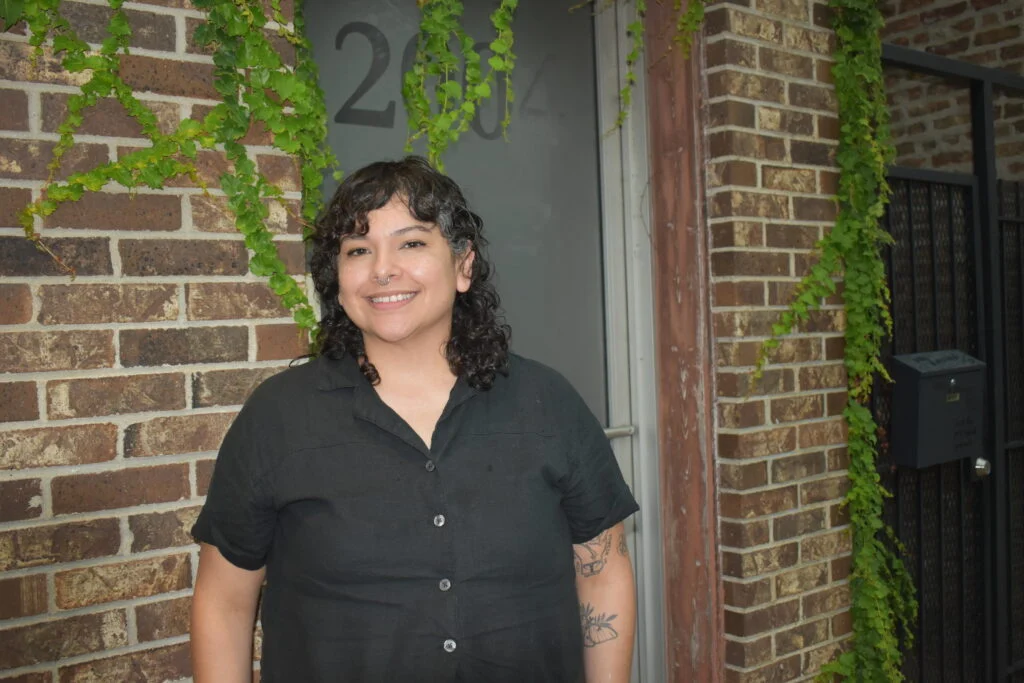
In the quiet corridors of Chicago’s healthcare system, Yesenia Raithel Vargas, a 45-year-old mother of four, found herself facing a challenge that had nothing to do with medicine and everything to do with logistics. As a graduate nursing student specializing in psychiatry, she was required to complete 500 hours of clinical rotations—a mandatory threshold to earn her degree. However, she found that the most difficult part of becoming a nurse practitioner (NP) wasn’t the rigorous coursework or the complex psychiatric pharmacology; it was the hunt for a "preceptor."
A preceptor is a licensed medical professional who supervises nursing students during their clinical rotations, providing the bridge between classroom theory and the messy, high-stakes reality of patient care. Without one, a student cannot graduate. Raithel Vargas, after sending 50 fruitless emails and making countless phone calls, eventually resorted to a desperate plea on a private Facebook group for mothers.
Her experience is not an anomaly; it is a symptom of a systemic breakdown in the American nursing education pipeline. As the nation faces a severe shortage of primary care providers, a bottleneck in clinical training is stifling the growth of the very workforce meant to solve it.
The Anatomy of the Bottleneck
The role of a preceptor is multifaceted and demanding. They are tasked with training, mentoring, and evaluating the clinical performance of students, often while maintaining their own full-time patient loads. For nurse practitioners—who hold master’s degrees and often perform duties historically reserved for physicians—these clinical hours are the bedrock of their professional competence.
Yet, there is no centralized national system to match students with these essential mentors. While medical schools leverage long-standing affiliations with teaching hospitals to ensure every medical student has a clinical home, nursing schools operate on a fundamentally different, and often more fragmented, model.
The Chronology of a Crisis
The struggle to secure clinical hours has intensified over the last decade as the popularity of the NP profession has skyrocketed.
- 2016–2023: Research from the Columbia University School of Nursing indicates that the NP workforce grew by 10 percent annually, significantly outpacing the 1.1 percent growth rate of physicians.
- The Enrollment Surge: As more students entered programs to meet the rising demand for autonomous care, the number of available preceptors failed to scale accordingly.
- The "Go-It-Alone" Era: Universities, particularly those offering online programs, began shifting the burden of finding clinical placements onto the students themselves.
- 2024: The collapse of institutions like Oak Point University forced students into emergency transfers, exposing the fragility of the existing ad-hoc placement model.
Supporting Data: A Systemic Disconnect
The disparity in resources between medical training and nursing education is stark. The United States government invests roughly $20 billion annually into the training of medical residents, with the majority of funding funneled through Medicare. In contrast, nursing workforce development receives only a fraction of that support—approximately $300 million annually for general initiatives, only a portion of which is dedicated to clinical training.
Without institutional funding, schools often "skate by" on accrediting requirements by providing students with antiquated lists of past preceptors. These lists are frequently outdated, geographically inaccessible, or comprised of individuals who have long since stopped taking students.
Elaina McAdams, a healthcare executive with a doctorate in nursing and founder of the AI-enabled platform CAUHEC Connect, notes the futility of this approach. "Many schools have a spreadsheet and they call around, but they aren’t always successful," McAdams says. "Even if they find someone, they might be 100 miles away. Is that a reasonable expectation for a student who is already paying thousands in tuition?"
The Rise of the "Pay-to-Play" Market
As the traditional, volunteer-based model of preceptorship crumbles under the weight of provider burnout, a for-profit marketplace has emerged to fill the void. Companies like NPHub and Clinical Match Me have turned clinical placement into a business transaction.

For students like Kim Orta, a resident of rural Crescent City, California, these services are often the only lifeline. Faced with a lack of local options and rigid institutional rules, Orta took out a $16,000 loan just to pay for preceptors and the travel costs associated with her clinical rotations. "I’ve considered dropping out," Orta admits, noting that her motivation to stay is the dire lack of mental health services in her own county.
The commodification of clinical training raises profound ethical concerns. Critics, including many nursing educators, worry about the "pay-to-pass" incentive. If a student is paying a preceptor out-of-pocket, does that create a conflict of interest that makes it harder for the preceptor to fail a student who is not performing at a safe clinical level?
"The worst-case scenario," says McAdams, "is what happens when a student pays cash out of pocket, and they’re not really safe to practice?"
Official Perspectives: Shifting the Paradigm
The professional nursing community is beginning to acknowledge that the status quo is unsustainable. Tim Porter-O’Grady, a clinical professor at Emory University and a veteran of the healthcare consulting world, argues that nursing as a discipline has failed to standardize its transition-to-practice model.
"None of the other major professions—law, engineering, medicine, architecture—are like this," Porter-O’Grady observes. He advocates for a structural shift where nursing schools take ownership of clinical placements through formal health-system partnerships, rather than treating placements as a "sales job" for the student to execute.
In response to these systemic failures, the Society of Clinical Placement Professionals (SCPP) was formed in 2022. Initially expecting a modest turnout for their inaugural summit, organizers were stunned when 150 professionals attended, signaling a widespread, desperate hunger for reform. Abigail Smetana, co-founder of the group, points to a culture of "finger-pointing" between schools, clinics, and hospitals that has historically prevented collaborative solutions.
Implications: The Future of Patient Care
The implications of this shortage extend far beyond the stress of the students. As the U.S. population ages and the primary care physician shortage deepens, nurse practitioners are increasingly expected to step into roles as independent primary care providers. If the pipeline for training these professionals remains fractured and unreliable, the quality and availability of care for millions of Americans will inevitably suffer.
For Yesenia Raithel Vargas, the "blood, sweat, and tears" of her journey are nearing an end. After paying $10 an hour for 168 hours of her rotation to a local nurse practitioner, and navigating a last-minute cancellation that forced her to scramble for a replacement, she remains hopeful. She views her struggle as a necessary hurdle to eventually serving the patients she cares for in her community.
However, her story remains a cautionary tale. While individuals like Raithel Vargas show immense resilience, the system that governs their entry into the workforce is increasingly fragile. Without federal investment, standardized institutional partnerships, and a move away from the privatized, pay-to-play placement model, the nursing profession risks choking its own growth.
"Every drop of blood, sweat, and tears is worth it because I feel good about what I’m going to be able to do," Raithel Vargas said. But as she reflects on the months she spent on the verge of quitting, it is clear that the current model is a gamble the healthcare system can no longer afford to take. The future of nursing education must transition from a chaotic, individualized struggle into a professional, evidence-based, and sustainable pathway—if only to ensure that the next generation of providers can focus on their patients rather than their spreadsheets.