











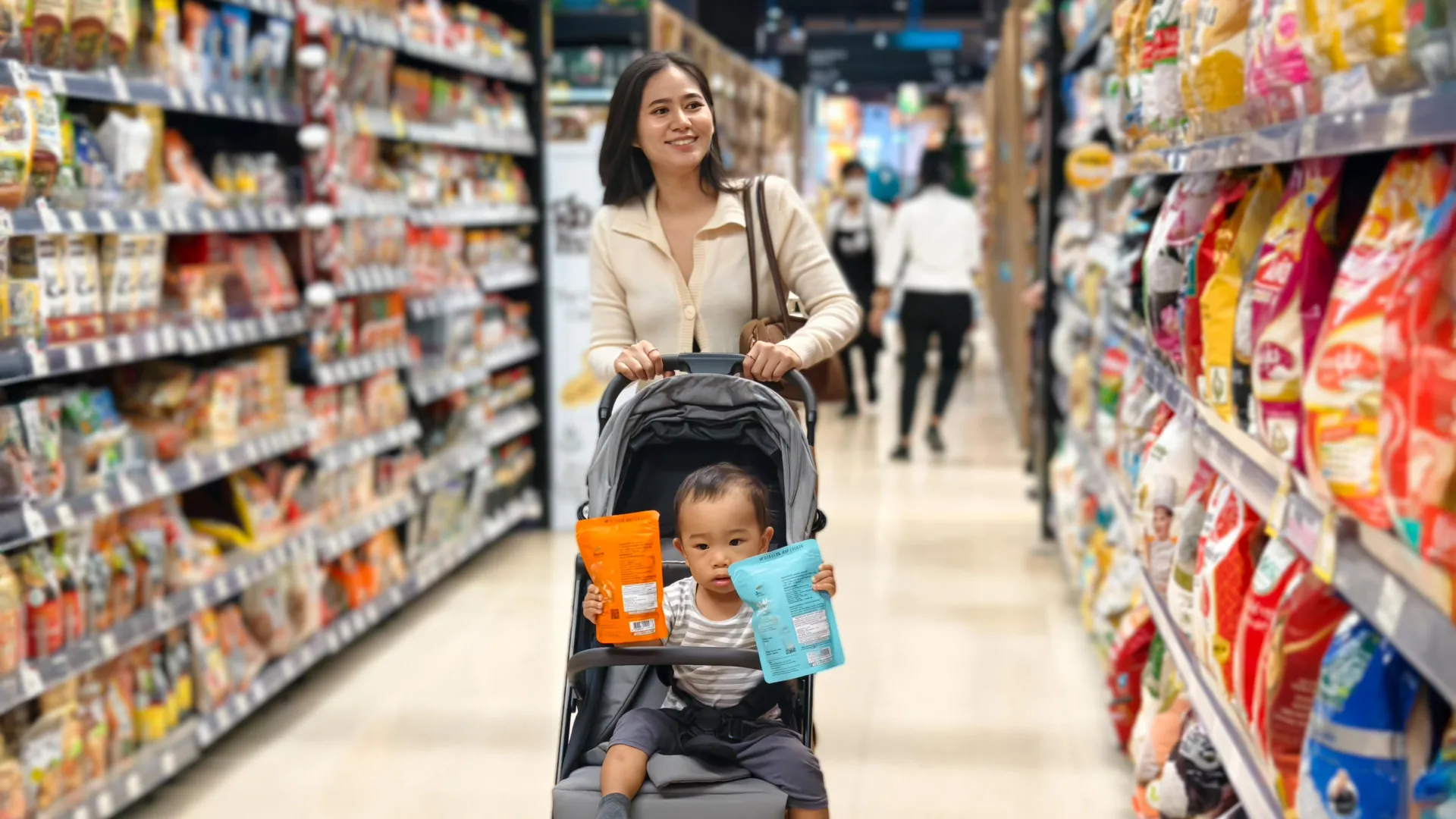
For millions of parents, the grocery store toddler aisle is a place of trust. Walking past rows of brightly colored pouches, oat bars, and snack puffs, many assume these items—specifically marketed for children aged 6 to 36 months—are held to rigorous nutritional standards. However, a new study presented at the American Society for Nutrition’s flagship conference, NUTRITION 2026, suggests that this trust may be misplaced.
The investigation, which analyzed nearly 3,000 products across 21 grocery stores in Austin, Texas, reveals that the vast majority of toddler foods are ultra-processed, with nearly half failing to meet international health benchmarks. As the U.S. Food and Drug Administration (FDA) contemplates stricter labeling regulations, these findings shine a spotlight on a pervasive issue in the American food environment: the normalization of hyper-processed convenience foods for the most vulnerable consumers.
The Study: A Snapshot of the Modern Toddler Diet
The research, led by Erin A. Hudson, a JD and PhD candidate at The University of Texas at Austin, alongside Marissa Burgermaster, PhD, sought to quantify the nutritional quality of commercial toddler foods. By photographing and analyzing the contents of 2,783 individual products, the team provided one of the most comprehensive looks at the "toddler food environment" to date.
The researchers deliberately excluded infant formula, beverages, and standard purees—often considered "first foods"—to focus on the transitionary snacks and meals that constitute the bulk of a toddler’s independent eating experience. Utilizing the Nova classification system, which categorizes food based on the extent and purpose of industrial processing, the team made a startling discovery: 81% of the products on store shelves were classified as "ultra-processed."
Defining the "Ultra-Processed" Problem
Ultra-processed foods (UPFs) are formulations involving five or more ingredients, often including substances not typically used in home cooking, such as high-fructose corn syrup, hydrogenated oils, and chemical additives like flavor enhancers and colorants. While these items offer convenience and long shelf lives, they are increasingly linked to metabolic and developmental health issues.
Chronology of the Research and Presentation
The project began as an effort to map the nutritional landscape of local markets, with researchers conducting physical site visits to 21 grocery stores in the Austin area.
- Data Collection: Researchers systematically photographed and recorded nutritional data for every item marketed to children aged 6 to 36 months, ensuring a broad cross-section of available brands and types.
- Methodological Review: The data was cross-referenced against the World Health Organization’s (WHO) Nutrition and Promotion Profile Model (NPPM), which sets global standards for the composition of commercial foods for young children.
- Presentation of Findings: The results were formally unveiled on July 26, 2026, during the "Ultra-Processed Foods: Methodological Advancements" oral session at the NUTRITION 2026 conference in National Harbor, Maryland.
- Public Awareness Campaign: Following the conference, the researchers have pivoted to emphasizing the necessity of policy intervention, highlighting that the current market landscape effectively "nudges" parents toward less-than-optimal dietary choices.
Supporting Data: Where the Market Falls Short
The scale of the failure to meet global health standards was profound. According to the analysis, 49% of the products surveyed did not satisfy at least one critical nutrient benchmark set by the WHO. The specific areas of concern were varied and significant:
- Sugar Content: 17% of products failed to meet the recommended limits for sugar.
- Sodium Levels: A concerning 25% of items exceeded the threshold for sodium.
- Fat and Energy Density: 11% fell short of fat standards, and 12% failed to meet the criteria for healthy energy density.
The researchers highlighted specific categories that frequently violated these guidelines. Fruit pouches were identified as common offenders for excessive sugar; oat bars were flagged for both sugar and caloric density; and items like mac and cheese, turkey sticks, and various puffs were cited for high sodium, fat, and calorie counts.
The "Health Halo" and the Need for Transparency
A central theme of the research is the "health halo" surrounding toddler products. Because these items are found in the baby aisle, parents often assume they are "safe." Hudson notes that this assumption places an undue burden on the consumer.
"Many parents may assume that products sold on the baby/toddler food aisles of their grocery stores have to meet certain nutrient standards," said Hudson. "Our findings highlight that half of the toddler foods available in local grocery stores do not. As a result, parents have to be vigilant in checking labels and ingredients to determine the nutrient content and processing level of products for their toddlers."
This vigilance is made more difficult by the lack of clear, front-of-package labeling in the United States. While countries like Chile and Mexico have implemented mandatory black-and-white warning labels for products high in sugar, sodium, or calories, the U.S. remains behind in this regard. The FDA is currently in the process of reviewing rules regarding front-of-package nutrition information and marketing claims, but critics argue that without mandatory warnings, parents remain at a disadvantage.
Implications for Long-Term Health
The toddler years are a critical window for physiological and neurological development. Early dietary patterns are known to influence a child’s flavor preferences and eating habits well into adolescence and adulthood.
The Sugar Concern
Excessive sugar consumption during these years is particularly concerning. Research has established that high sugar intake in early childhood is linked to a higher risk of dental decay, obesity, and the development of metabolic disorders. The study found a clear correlation: the more ultra-processed a toddler food was, the significantly more likely it was to contain high amounts of added sugar.
The Fat and Calorie Nuance
It is important to distinguish between "empty" calories and nutrient-dense calories. The researchers clarified that high fat or calorie levels are not always inherently bad. For example, a product containing healthy fats from peanuts or beef may be a source of essential nutrients. However, the study found that ultra-processed versions of these products often added sugar or artificial fillers, providing the caloric load without the associated nutritional benefits.
Official Responses and the Path Forward
The findings from the Austin team have reinvigorated the conversation surrounding food regulation in the United States. While the study is currently considered preliminary—as it has not yet completed the peer-review process required for publication in a scientific journal—it serves as a powerful indicator of the need for change.
The Role of Policy
Hudson and her colleagues are calling for a systemic shift. They suggest that:
- Mandatory Warning Labels: Implementing clear, standardized warnings on the front of packaging would allow parents to make informed decisions at a glance.
- Industry Reformulation: The threat of such labels often acts as a catalyst for manufacturers to reformulate their products to meet higher health standards, potentially reducing the overall sugar and sodium levels in the toddler food supply.
- Expanded Oversight: There is a growing call for the FDA to exert greater oversight over the nutritional quality of products specifically marketed to children, who represent a vulnerable demographic that cannot advocate for their own dietary health.
Limitations of the Study
The researchers were careful to note that their study focused exclusively on packaged, shelf-stable foods. They acknowledged that this represents only one portion of a child’s diet and that the findings may not reflect the entirety of a toddler’s nutritional intake, which also includes fresh produce, homemade meals, and breast milk or formula.
Conclusion
The study presented at NUTRITION 2026 is a clarion call for both parents and policymakers. It reveals a food environment dominated by convenience-driven, ultra-processed products that often mask their nutritional shortcomings behind professional branding and store placement.
While the convenience of the toddler aisle is undeniable in the busy lives of modern families, the evidence suggests that the cost—measured in long-term health outcomes—may be far too high. As the debate over FDA labeling standards continues, the responsibility currently rests on the shoulders of parents to act as the primary filter for their children’s diets. However, as Hudson’s research demonstrates, that is a burden that should be lightened by clearer, more transparent, and more accountable food labeling systems.