









For millions of active individuals, the first few steps after waking up are often a jarring reminder of a persistent, debilitating condition: Plantar Fasciitis. Characterized by a sharp, stabbing sensation in the heel, this condition serves as a physical barrier to exercise, mobility, and overall quality of life. While the conventional wisdom often leans toward temporary fixes—numbing the pain with anti-inflammatories or seeking short-term relief through massage—a new perspective is gaining traction in the longevity and physical rehabilitation community.
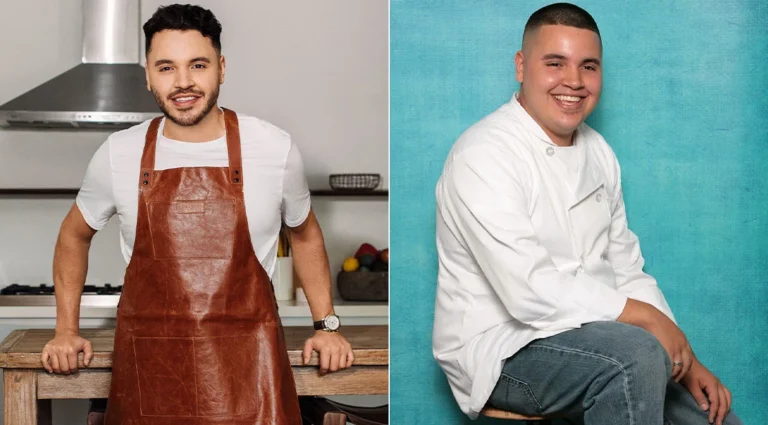
Jake Blundell, widely recognized by his millions of social media followers as "Elastaboy," is challenging the status quo. By prioritizing long-term structural resilience over temporary symptom management, Blundell is advocating for a proactive, movement-based approach to recovery. His methodology suggests that the key to overcoming chronic foot pain lies not in silencing the body’s signals, but in addressing the mechanics of the foot through targeted, consistent stretching.
The Anatomy of the Ailment: What is Plantar Fasciitis?
To understand why Blundell’s approach resonates so strongly, one must first understand the structural complexity of the human foot. The plantar fascia is a dense, fibrous band of connective tissue—a ligament-like structure—that bridges the gap between the heel bone and the toes. Acting as a biological shock absorber, it supports the arches of the foot and plays a critical role in the biomechanics of walking, running, and jumping.
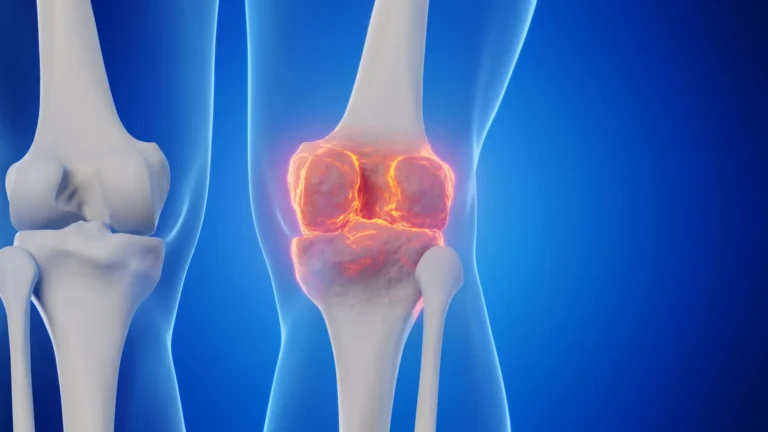
When this tissue is subjected to excessive strain, repetitive impact, or biomechanical imbalances, it develops micro-tears, leading to inflammation—the hallmark of Plantar Fasciitis. This inflammation manifests as localized pain that can range from a dull ache to a piercing sensation that makes bearing weight nearly impossible.
The Cycle of Mismanagement
Historically, the medical and athletic communities have treated the symptoms rather than the root cause. When a patient presents with heel pain, the immediate response is frequently the prescription of non-steroidal anti-inflammatory drugs (NSAIDs) or the recommendation of deep-tissue massage. While these interventions can certainly reduce the "volume" of the pain, they do little to improve the structural integrity of the foot.
"Massage isn’t bad; it can temporarily reduce pain and make walking feel more comfortable," Blundell notes. "But if that’s all you are doing, you’re only turning the pain volume down. You’re not making your foot more resilient."
A New Chronology of Recovery: From Suppression to Adaptation
The journey to recovery, according to the "Elastaboy" philosophy, follows a specific, progressive chronology. It begins with the acknowledgment that pain is an indicator of load-bearing failure, not merely a problem to be erased.
Phase 1: Assessment and Initial Load Reduction
The first step in Blundell’s framework is an honest appraisal of the foot’s condition. If the pain is acute, the priority is to reduce the load without resorting to total inactivity, which can lead to muscle atrophy and further weakening of the arch.
Phase 2: Targeted Structural Reconditioning
Once the inflammation is managed, the second phase involves introducing controlled, incremental stress to the plantar fascia. This is where Blundell’s specific exercises come into play. By moving the foot through its full range of motion, the patient encourages the body to remodel the damaged tissue, effectively rebuilding the arch rather than just allowing it to "rest" in a weakened state.
Phase 3: The Morning Calibration
The final phase of this cycle is the most important: the "morning test." Blundell emphasizes that the first steps of the day serve as the most accurate diagnostic tool for the progress of one’s recovery. By monitoring how the tissue responds to the previous day’s rehabilitation, an individual can adjust their intensity—a process of self-regulation that empowers the patient to take control of their own recovery timeline.
Supporting Data: Why Stretching Outperforms Passive Care
While anecdotal evidence for stretching is vast, clinical data increasingly supports the use of mechanical loading in the treatment of tendinopathies and fasciitis. Research indicates that when connective tissue is subjected to rhythmic, controlled tension, it promotes collagen synthesis, which helps repair micro-tears in the fascia.
Blundell’s approach is rooted in this principle of progressive overload. By shifting the focus from "healing" (a passive process) to "training" (an active process), patients are seeing improvements that are more sustainable than those achieved through traditional ice-and-rest protocols.
The "Elastaboy" Protocol: Three Pillars of Foot Resilience
Blundell’s methodology is condensed into three accessible exercises designed to be performed consistently to foster long-term change.
1. The Toe Extension Stretch
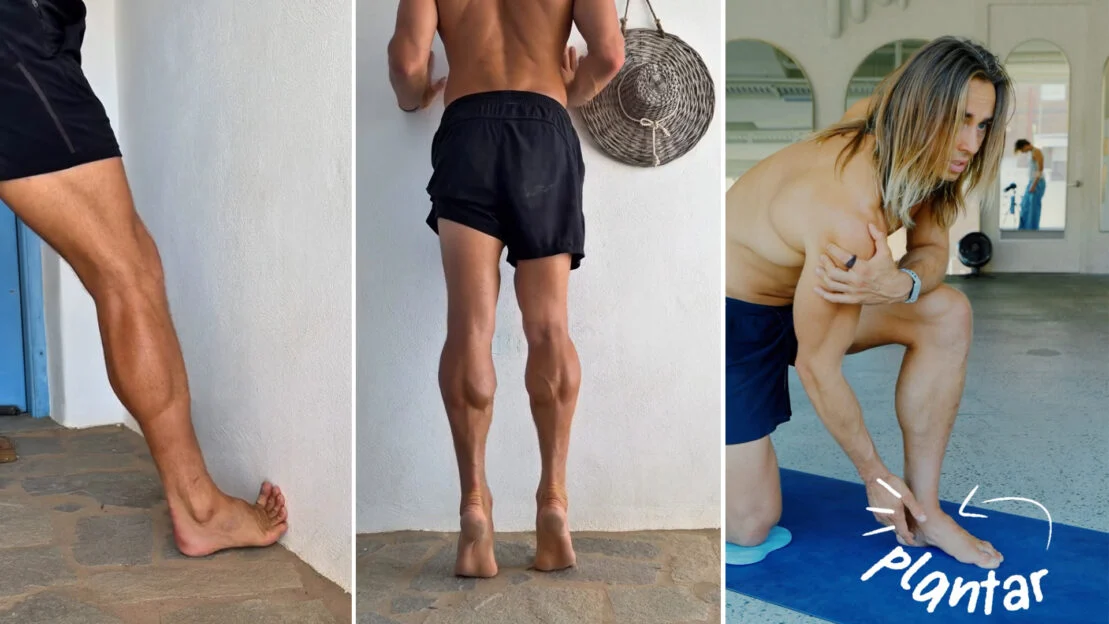
The plantar fascia is inherently linked to toe movement. By placing the toes against a solid vertical surface—like a wall—and maintaining heel contact with the ground, the fascia is placed under a gentle, sustained stretch. Blundell advises sliding the foot down until the sole is flush against the surface, holding for 30 seconds. This action stretches the entire chain of the foot, helping to alleviate the tension that builds up during a day of walking.
2. Single Leg Slow Calf Raises
The calf muscles (gastrocnemius and soleus) share a direct physical connection to the heel through the Achilles tendon. Tightness in the calf often pulls on the heel bone, exacerbating the tension in the plantar fascia. By performing slow, controlled calf raises, the individual strengthens the posterior chain and improves the foot’s ability to handle force. For those struggling with the load, Blundell suggests seated variations or double-leg raises to build baseline strength before moving to single-leg stability work.
3. Manual Foot Manipulation
Perhaps the most overlooked aspect of foot health is the dexterity of the foot itself. Blundell advocates for "spreading, lifting, and controlling" the muscles of the foot. By manually manipulating the toes and arch, individuals can increase the activation of the intrinsic foot muscles, which act as a secondary support system for the plantar fascia.
Official Responses and Clinical Perspectives
The professional community has reacted to influencers like Blundell with a mix of caution and curiosity. While traditional podiatry often relies on custom orthotics and cortisone injections, there is a growing acknowledgment among physical therapists that "strength is the new rest."
Dr. Aris Thorne, a specialist in sports medicine, notes that while the "Elastaboy" method is not a substitute for professional clinical diagnosis, it aligns with modern trends in active recovery. "The danger with chronic foot pain is that patients become fearful of movement," says Dr. Thorne. "When you stop using the foot, the arches collapse, the muscles atrophy, and the fascia becomes even less capable of handling force. Blundell’s emphasis on movement-based rehab is a welcome departure from the ‘immobilize and wait’ approach that dominated the industry for decades."
The Implications: A Shift in Wellness Culture
The implications of this shift are profound. If millions of people can address their musculoskeletal issues through self-led, structured movement, the burden on the healthcare system decreases, and the standard of personal autonomy increases.
However, Blundell is careful to define the boundaries of his advice. He explicitly warns that if pain remains unchanged or worsens after several weeks, a professional medical assessment is non-negotiable. "There may be something else going on," he cautions, highlighting that while stretching is a powerful tool, it is not a panacea for fractures, nerve entrapment, or severe systemic conditions.
The Role of Digital Influence
Blundell’s rise as "Elastaboy" underscores the power of social media in democratizing health information. By taking complex biomechanical concepts and translating them into actionable, "everyday" stretches, he has bridged the gap between clinical physical therapy and the general public. His millions of followers are not just watching videos; they are participating in a global movement toward proactive self-care.
Conclusion: The Path Forward
The path to overcoming Plantar Fasciitis is rarely a straight line. It is a process of trial, error, and consistent, disciplined action. By moving away from the reliance on pain-masking pharmaceuticals and toward the intentional, calculated application of tension through stretching, individuals can begin to reclaim their mobility.
As Jake Blundell reminds us, the goal is not to endure the pain, but to build a body that is no longer prone to it. Whether it is through the 30-second toe extension or the focus required for manual foot manipulation, the message is clear: your feet were designed to move, and it is through movement that they will find their strength again.
For those ready to start their journey, the advice is simple: start slow, stay consistent, and always listen to the feedback your body provides the next morning. In the world of "Elastaboy," the most effective recovery tool isn’t found in a bottle—it’s found in the effort you put into your own resilience.
To stay updated with Jake “Elastaboy” Blundell’s latest recovery techniques and mobility challenges, you can follow his progress on Instagram.