








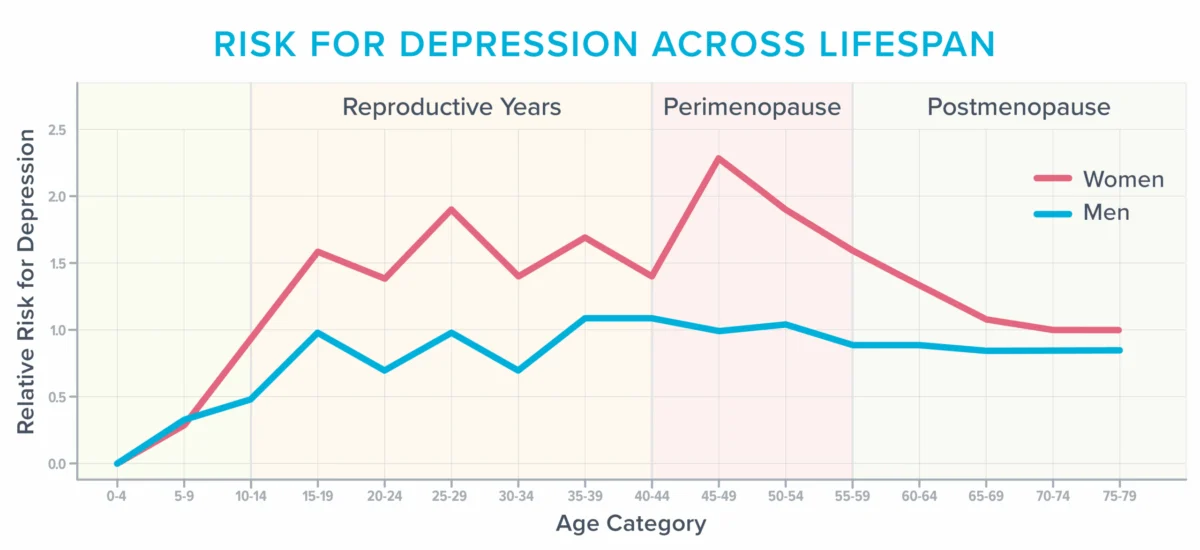
For many women in their late 40s and early 50s, the world begins to lose its sharp edges. A simple Friday night dinner conversation becomes a frustrating exercise in recall; names of restaurants, familiar streets, and even common nouns seem to vanish into a "sludge" of mental fatigue. This isn’t just typical forgetfulness—it is a profound, systemic shift in cognitive clarity that many women describe as living under a pile of garbage.
While often dismissed as the natural toll of aging or the cumulative stress of a high-pressure career, this "brain fog" is frequently a hallmark of the menopausal transition. For years, the medical community labeled these symptoms as generalized anxiety or depression, leading many women down a path of ineffective pharmaceutical interventions. However, emerging research suggests that the root cause is not psychological, but physiological: the dramatic hormonal fluctuations of menopause, specifically the impact of vasomotor symptoms on brain health.
A Chronology of Confusion: The Path to Diagnosis
The experience of the menopausal transition is often marked by a "revolving door" of medical consultations. Patients report symptoms ranging from unshakeable fatigue and cognitive haze to emotional volatility—sobbing for no apparent reason or feeling overwhelmed by basic sensory stimuli like traffic noise.
For many, the journey follows a repetitive, demoralizing pattern:
- The Initial Complaint: A woman seeks medical help for brain fog, insomnia, and mood swings.
- The Misdiagnosis: Healthcare professionals, often lacking specialized training in menopause, default to standard mental health screenings. The PHQ-9 (a common depression scale) is administered, and because sleep deprivation and fatigue overlap with the symptoms of depression, a diagnosis of clinical depression is often erroneously applied.
- The Failed Interventions: The patient is prescribed various antidepressants or sleep aids, which often provide no relief and, in many cases, exacerbate the feeling of being "drugged" or "zombified."
- The Pivot: Only when a patient brings up specific physiological markers—such as vaginal dryness or night sweats—does the focus shift from psychiatry to endocrinology.
In the case of the author of this experience, it was a routine gynecological exam that finally unlocked the truth. Once the focus shifted to hormone levels rather than mental health, the prescription of estradiol and progesterone acted as a "switch," restoring cognitive function, sleep patterns, and professional capability within days.
Supporting Data: Why "It’s All in Your Head" is Wrong
Menopause is not a disease; it is a life stage. Yet, the physiological changes during this period are profound. According to the American College of Obstetricians and Gynecologists, approximately 40 percent of women report significant increases in irritability, anxiety, and difficulty concentrating during and after menopause.
The Vasomotor Connection
The most overlooked culprit in this decline is the hot flash. Once considered a mere annoyance, vasomotor symptoms (the dilation and constriction of blood vessels) are now recognized as potential indicators of broader systemic changes.
Recent neuroimaging studies have provided alarming insights. Research involving MRI scans has identified an abundance of "whole-brain white matter intensities"—patchy areas in the brain that correlate with frequent hot flashes. While these lesions were historically viewed as benign markers of aging, neuroscientists now recognize them as predictors of future cognitive decline, including an increased risk of dementia and stroke.

The Sleep-Brain Axis
The mechanism is circular: hormonal drops destabilize the hypothalamus, the brain’s internal thermostat. This causes vasomotor surges, which wake the brain. Even if a woman doesn’t feel "sweaty," the surge in norepinephrine and cortisol acts as an internal alarm clock, fracturing sleep. This chronic fragmentation prevents the hippocampus—the brain’s memory hub—from consolidating information and clearing metabolic waste, leading to the "hazy" cognitive state that defines the perimenopausal experience.
Official Responses and the "Defensive Medicine" Trap
Why is it so difficult for women to find effective care? The answer lies in a systemic lack of training and a phenomenon known as "defensive medicine."
Surveys indicate that 80 percent of medical residents report feeling "barely comfortable" discussing menopause, and few medical schools offer comprehensive training on the subject. When faced with a patient experiencing complex symptoms, many doctors default to the safest legal option: antidepressants.
Dr. Jerrold H. Weinberg, a menopause-trained gynecologist, notes that doctors often shy away from Menopausal Hormone Therapy (MHT) due to outdated fears stemming from studies conducted decades ago. These studies, which linked hormones to elevated risks of breast cancer and stroke, have been nuanced by more recent data. Current medical consensus suggests that for healthy women under 60 who are within 10 years of the onset of menopause, the benefits of MHT—including the reduction of osteoporosis and potential protection against Alzheimer’s—far outweigh the risks.
Implications for Future Health and Advocacy
The implications of this research are clear: women must become their own best advocates. Relying on a "wait and see" approach is no longer scientifically sound given the potential for long-term neurological impact.
How to Advocate Effectively
- Seek Specialists: Look for practitioners certified by the Menopause Society or those who specifically list menopause as a core area of focus.
- Data-Driven Consultations: Don’t say "I don’t sleep well." Say, "I wake up five times a night, and my longest period of uninterrupted sleep is three hours." Bring data from health-tracking wearables.
- Demand Shared Decision-Making: Ask your doctor: "What are the risks and benefits of MHT for my specific health profile compared to the risks of leaving these vasomotor symptoms untreated?"
Lifestyle Strategies: Beyond the Prescription
While hormones are a primary intervention for many, lifestyle adjustments are vital for managing the transition.
- Nutritional Support: While no "magic diet" stops a hot flash, diets rich in nitrate-heavy vegetables (beets, dark leafy greens) can support circulation. Creatine monohydrate (5–7 grams daily) has also shown promise in supporting cognitive function and buffering the brain against the effects of sleep deprivation.
- Strategic Movement: Avoid over-exertion during periods of high fatigue. Short, high-intensity bursts can help focus, but overly demanding workouts may increase cortisol and exacerbate symptoms. Prioritize restorative movement like yoga or walking.
- Cognitive Behavioral Therapy (CBT-I): For those suffering from insomnia, CBT-I is the gold standard, providing the psychological framework to regain control over sleep cycles.
- Environmental Control: Simple interventions like cooling mattress pads and lowering bedroom temperatures can significantly reduce the frequency of night-time awakenings.
Conclusion: A Shift in Perspective
The menopausal transition is undeniably a period of physical and mental vulnerability. However, it also presents a rare, forced opportunity for self-evaluation. By stripping away the ability to "do it all," menopause often forces women to audit their lives.
When the "fog" lifts—whether through hormonal intervention, lifestyle changes, or a combination of both—many women find that the most valuable outcome isn’t just the return of cognitive sharpness, but the newfound permission to simplify. By saying "no" to the non-essential, women can reclaim their energy for the things that truly matter. Menopause is not the end of a productive life; it is a recalibration, demanding that we prioritize our health and our time with a newfound sense of urgency and clarity.