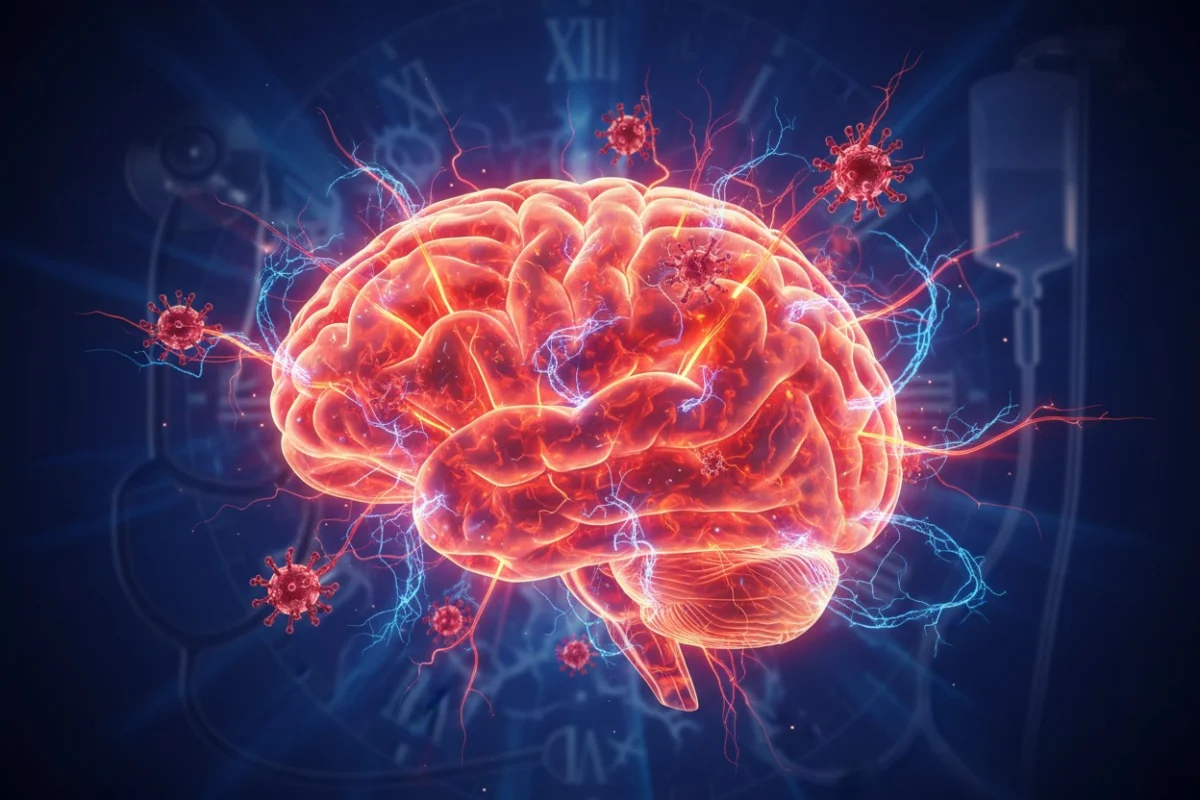
Recent medical research has ignited a significant conversation regarding the intersection of acute illness and long-term neurological health. A groundbreaking study published in the journal PLOS Medicine suggests that severe infections requiring hospital-level care are associated with a substantially increased risk of developing dementia years down the line. By analyzing nationwide health registry data spanning over two decades, researchers have opened a new window into how our immune system’s battle against pathogens may leave lasting imprints on the brain.
The Scope of the Study: A Two-Decade Analysis
The study, which analyzed health registry data from more than 375,000 individuals, provides one of the most comprehensive looks at the relationship between systemic illness and cognitive decline to date. Within this cohort, researchers identified over 62,000 individuals who had received a dementia diagnosis, comparing them against a significantly larger control group of individuals who did not.
By working backward from these diagnoses, investigators examined health records covering up to 20 years. Unlike previous studies that may have focused on isolated infections, this research cast a wide net, identifying 29 distinct health conditions—ranging from cardiometabolic issues and neurological disorders to various mental health states—that appeared to correlate with an elevated risk of dementia.
Crucially, after researchers adjusted for these 29 variables, infections remained a statistically significant factor. This suggests that the connection is not merely a byproduct of individuals with existing poor health being more susceptible to both infections and cognitive decline, but rather that the infections themselves may carry an independent, long-term risk.
Chronology: The Five-Year Window
One of the most revealing aspects of the data is the timing of these events. The study found that the infections in question typically occurred five to six years prior to a formal dementia diagnosis.
This specific temporal window provides researchers with a critical clue: the infections are likely not the primary "cause" of dementia in a vacuum. Instead, they may act as an accelerant. Because dementia is a condition that often develops silently over decades, an infection may serve as a "stress test" for a brain that is already navigating early-stage pathology. When the immune system is pushed to its limits during a severe hospital-bound illness, the subsequent systemic inflammation may push a vulnerable brain past a critical tipping point.
The Role of Inflammation and Immune Resilience
At the heart of this research is the role of chronic inflammation—a hallmark of almost every major modern disease, from cancer and heart disease to obesity. When the body encounters a severe infection, the immune system mounts a vigorous response. In a healthy scenario, this response resolves. However, when inflammation becomes systemic and chronic, it can impact the brain’s delicate environment.
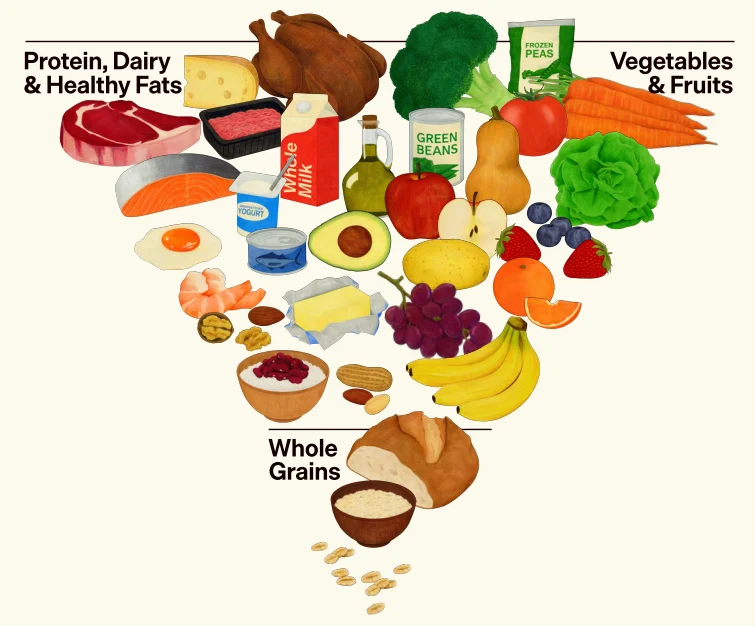
Scientific scrutiny is now shifting toward how this inflammatory surge affects neuron communication, blood flow, and the health of brain cells themselves. As noted in literature regarding systemic health, even oral health plays a part; a Mediterranean diet rich in plants and olive oil, for instance, has been shown to lower inflammatory markers that link gum disease to systemic issues like heart disease and, potentially, cognitive decline.
Supporting Data: Lifestyle as a Defensive Strategy
While the PLOS Medicine study highlights a sobering association, it simultaneously underscores the importance of proactive lifestyle management. Research suggests that a variety of daily habits act as a buffer against cognitive decline.
Nutritional Foundations
The immune system is not an isolated component of the body; it is a complex network requiring constant support. Research has highlighted several key nutrients that act as pillars for this system:
- Vitamin D: Often referred to as a "hormone" rather than a simple nutrient, Vitamin D deficiency has been linked to insomnia, heart disease, and cognitive decline. Studies published in Sleep Medicine suggest that maintaining adequate levels of this vitamin may serve as a critical defense for the brain.
- Vitamin C: Known for its antioxidant properties, Vitamin C is vital for collagen production and immune resilience. Emerging data indicates its potential role in managing systemic stressors like sepsis and reducing the duration of common illnesses.
- Selenium: As an essential trace mineral, selenium acts as an antioxidant that protects the body against reactive oxygen species. Since the body cannot produce it internally, it must be sourced through diet.
- Curcumin: Extracted from turmeric, this polyphenolic compound has gained attention for its ability to cross the blood-brain barrier, providing neuroprotective benefits that may assist in warding off neurodegenerative damage.
Environmental and Lifestyle Factors
Beyond nutrition, the environment plays a role. Reports have suggested that the constant, low-level exposure to synthetic chemicals found in personal care products—such as those in shampoos, deodorants, and cosmetics—may lead to a "retreat" of neurons into a protective state. This phenomenon can diminish sensory sensitivity, potentially acting as a marker for cognitive strain.
Furthermore, the integration of consistent sleep, regular movement, and stress management remains the gold standard for maintaining immune resilience.
Official Perspectives and Medical Implications
The researchers behind the PLOS Medicine study are quick to clarify that their findings demonstrate an association, not a direct cause-and-effect relationship. They urge the public not to panic over every cold or flu, but rather to treat these health events with the gravity they deserve.
"The inflammatory response is a key factor, and supporting immune resilience through natural means is important," note practitioners who emphasize that pharmaceutical approaches, while necessary in emergencies, should be part of a broader health strategy that includes nutrition and lifestyle optimization.
Health officials emphasize that the key takeaway is the interconnectedness of our biological systems. A "severe infection" is defined by the study as one requiring hospitalization—implying a level of illness that the body struggles to overcome on its own. By focusing on preventive care, such as routine checkups, vaccinations, and the management of underlying conditions, individuals may be able to reduce their susceptibility to these high-stakes health events.
Looking Forward: A Holistic Approach to Brain Health
The evolving field of neuro-immunology continues to bridge the gap between systemic health and brain function. The 2026 Alzheimer’s Association report, which surveyed thousands of adults aged 40 and older, aligns with the broader consensus: our brain health is an accumulation of decades of health decisions.
As research continues, the focus will likely move toward "mechanistic" studies—understanding exactly how specific pathogens trigger neuro-inflammatory pathways. In the meantime, the medical community recommends a proactive, rather than reactive, approach:
- Prioritize Recovery: When an illness occurs, allow the body the necessary time and resources to recover fully.
- Nutrient Density: Prioritize foods that lower systemic inflammation, such as those found in the Mediterranean diet.
- Preventive Vigilance: Manage chronic conditions like diabetes or heart disease, as these can increase the likelihood of severe complications from subsequent infections.
- Environmental Awareness: Be mindful of the chemical burden from personal care products and environmental toxins.
Conclusion: Understanding the Interconnected Self
The PLOS Medicine study serves as a vital reminder that the brain does not exist in a vacuum. It is a biological organ deeply influenced by the health of the immune system, the quality of our nutrition, and the resilience of our lifestyle habits.
While the association between severe infections and later-life dementia is clear in the data, it is not a sentence of inevitability. Most people will experience significant infections without suffering long-term cognitive consequences. However, by understanding the link between acute immune stress and long-term health, we gain a new, actionable framework for protecting our cognitive longevity. The path forward involves a shift toward holistic health, where the immune system is nurtured not just when we are sick, but every day through informed, lifestyle-based choices. As researchers continue to untangle these complex biological threads, the importance of "body signals" and systemic health will remain at the forefront of the fight against cognitive decline.