Rice is the foundational sustenance for more than half of the human population, a grain so ubiquitous that it is often reduced to a simple carbohydrate statistic. Globally, over 85% of rice consumption is attributed to starch, with the remaining balance comprised of roughly 10% protein and 2% lipids. For decades, agricultural science has focused heavily on the starch content—the primary driver of energy and texture—while the minute lipid fraction has been relegated to the periphery.
However, a groundbreaking study from Hokkaido University, recently published in the journal Food Research International, is challenging this paradigm. By utilizing advanced analytical chemistry to map the complex lipid profiles of 56 diverse japonica rice cultivars, researchers have uncovered a hidden world of bioactive fats that could redefine how we view rice not just as a staple, but as a functional medicine.
Mapping the Molecular Architecture of Rice
The research, led by Associate Professor Siddabasave Gowda, marks a significant departure from traditional food science. By focusing on japonica rice—the short-to-medium grain variety that accounts for roughly 15% of global consumption and is prized for its tender, sticky texture—the team sought to understand why different varieties offer varying nutritional impacts.
"Although lipids make up only a small proportion of rice, they are critical in determining its nutritional value," explains Dr. Gowda. "They are not merely calories; they are functional components that help maintain cell membrane integrity, store energy, and support essential signaling processes in the human body."
Using state-of-the-art liquid chromatography and mass spectrometry, the researchers conducted a granular, high-resolution analysis of the grain. The findings were staggering: they identified 196 distinct lipid molecules categorized into five major chemical groups. This depth of profiling was previously impossible, and it represents a massive leap forward in our understanding of what constitutes a "nutritious" grain.
Chronology: From Lab Bench to Breakthrough
The project began as an initiative to catalog the underexplored lipid-rich food resources within the Japanese diet. Over the course of their study, the researchers followed a rigorous multi-stage methodology:
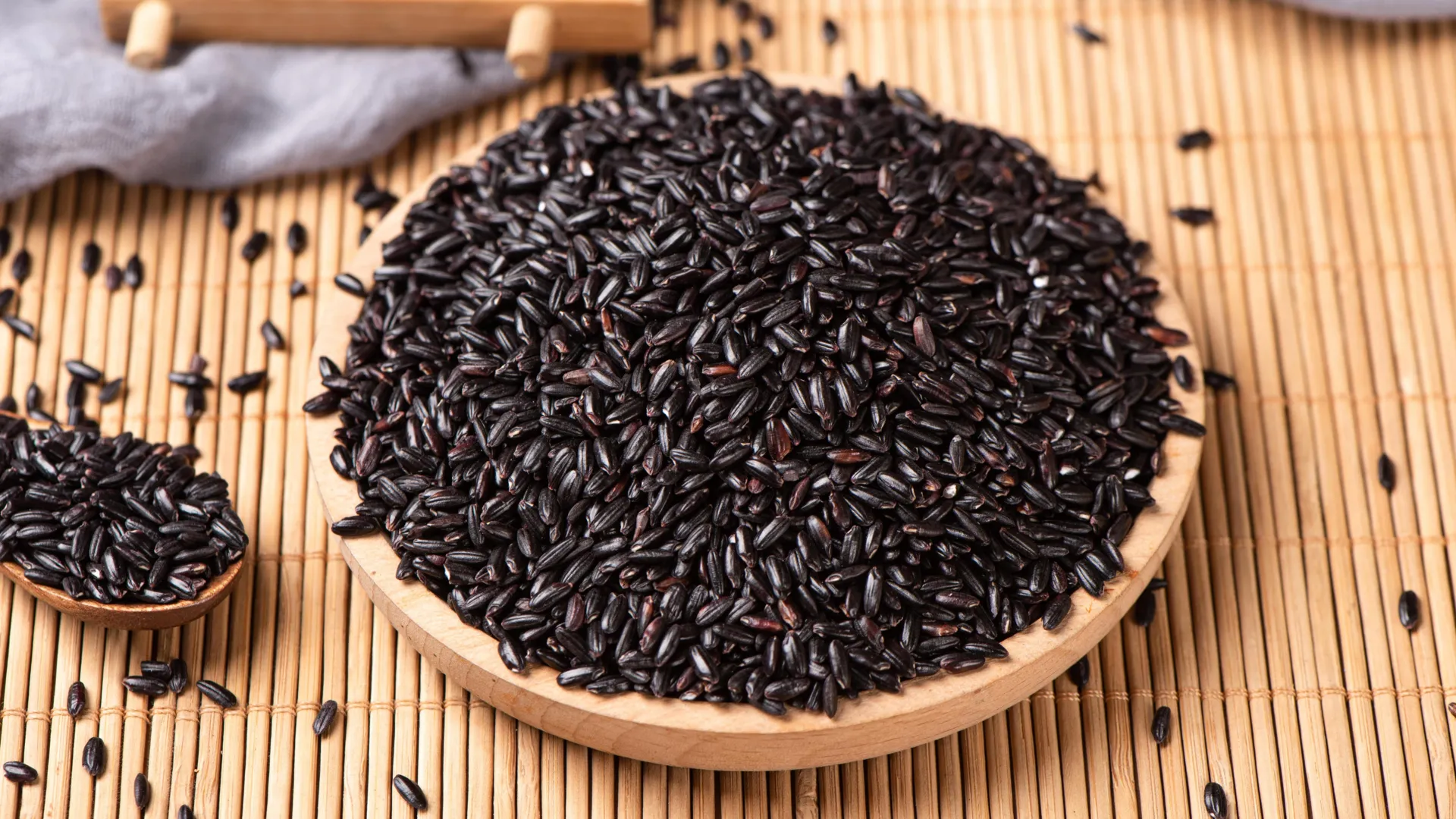
- Selection and Categorization: The team curated 56 japonica rice cultivars from across the Japanese archipelago. This collection was intentionally diverse, featuring brown, red, green, and black varieties, which are often overlooked in favor of refined white rice.
- Analytical Mapping: Leveraging mass spectrometry, the team built a comprehensive database of the lipid profiles of each cultivar, effectively "fingerprinting" the fat content of each grain.
- In Vitro Digestion: To understand the metabolic impact of these lipids, the team simulated human digestion in a laboratory setting. By treating cooked rice samples with specific digestive enzymes, they measured the rate at which starch was converted into glucose.
- Correlation Analysis: Finally, the team cross-referenced the lipid data with the digestion rates to determine which specific compounds contributed to a more favorable metabolic response.
Supporting Data: The Case for Pigmented Varieties
The data revealed a clear hierarchy of nutritional value, with black and green rice emerging as the clear standouts. These pigmented varieties scored significantly higher on the researchers’ "health-promotion index" compared to their white counterparts.
The secret lies in two specific classes of lipids: FAHMFAs (fatty acid esters of hydroxy medium-chain fatty acids) and LNAPEs (N-acyl-lysophosphatidylethanolamines). While FAHMFAs have been studied in other contexts, this study represents the first time they have been detected in rice. These compounds are of particular interest because, in other biological systems, they have been linked to potent anti-inflammatory effects and the modulation of metabolic pathways.
The lab-simulated digestion tests provided the most compelling evidence for these grains’ superiority. When the pigmented rice was treated with digestive enzymes, the starch breakdown was noticeably slower. This suggests that the unique lipid profile of black and green rice acts as a "metabolic brake," preventing the rapid spike in blood glucose that typically follows a meal of processed white rice. This gradual release of energy is a critical factor in mitigating the risk of insulin resistance and long-term metabolic dysfunction.
Official Responses and Expert Perspectives
The implications of this research have drawn attention from both the agricultural and medical communities. Dr. Gowda, who has previously spearheaded research into the bioactive lipids found in Japanese dietary staples such as seaweed and herbal teas, views this work as a piece of a larger puzzle.
"Our research group has discovered novel bioactive lipids in Japanese dietary fish, herbal teas, and seaweeds," says Gowda. "By applying these same advanced analytical techniques to rice, we are finally shedding light on Japan’s underexplored lipid-rich food resources."
When asked about the clinical application of these findings, the team is cautious but optimistic. The study did not test human subjects directly, but the lab-based evidence provides a strong foundation for future clinical trials. According to the research team, the primary goal is to empower consumers to make informed choices. By demystifying the differences between rice varieties, the researchers hope to shift consumer demand toward more nutrient-dense, pigmented options that have traditionally been considered "specialty" or "gourmet" rather than dietary staples.
Implications for Global Health and Agriculture
The implications of this study reach far beyond the borders of Japan. As the global prevalence of type 2 diabetes and obesity continues to rise, the search for "functional foods"—foods that provide health benefits beyond basic nutrition—has become a priority for public health policy.
The Future of Diabetes Management
If the findings hold true in human clinical trials, pigmented japonica rice could become a cornerstone of dietary management for patients with blood sugar dysregulation. By integrating these specific varieties into daily diets, patients might achieve better glycemic control without the need for strict caloric restriction or complex dietary overhauls.
Strengthening Food Security
Beyond human health, this research offers a pathway to increase the value of existing crops. By identifying the specific lipid profiles that contribute to health, plant breeders can potentially cultivate new rice varieties that are both hardy and rich in these beneficial compounds. This "nutritional breeding" could elevate the status of pigmented rice from a niche luxury product to an accessible, mass-market health food.
Bridging the Gap in Consumer Awareness
Perhaps the most immediate impact of this study is the shift in consumer education. For too long, the narrative surrounding rice has been binary: brown rice is "healthy" because of fiber, and white rice is "unhealthy" because of processing. This study adds a necessary layer of nuance, demonstrating that the lipid profile—the "hidden fat"—is just as important as the fiber content.
"People may be interested in learning about the health benefits of different pigmented rice varieties and, based on this knowledge, choosing the type that best suits their needs," says Gowda. "We also hope our findings will support the development of new ‘functional’ rice products to better manage diabetes and other lifestyle-related diseases."
Conclusion: A New Era for a Global Staple
The work conducted at Hokkaido University serves as a poignant reminder that even the most common elements of our diet still harbor secrets waiting to be discovered. By shifting the focus from the macro-nutrients of starch and protein to the complex, microscopic world of bioactive lipids, Dr. Gowda and his team have provided a new roadmap for nutrition.
As we look to the future, the integration of these findings into the global food system could provide a powerful, natural tool in the fight against chronic, lifestyle-related diseases. The "hidden" fats in our rice are no longer hidden; they are now a recognized, measurable, and highly valuable component of our diet. The challenge that remains is one of adoption—bringing these ancient, pigmented varieties back to the center of the modern plate.