As we move further into the decade, the nexus between public policy, individual nutrition, and planetary health has become a focal point of global discourse. The year 2022 marked a significant turning point in American health policy, characterized by the resurgence of national interest in how the United States feeds its citizens. From the halls of the White House to the laboratories of leading research institutions, the conversation has shifted from mere caloric intake to the broader, more complex challenge of fostering a sustainable and equitable food system.
The White House Conference: A Historic Milestone
For the first time since 1969, the United States convened a White House Conference on Hunger, Nutrition, and Health. The 1969 conference was instrumental in shaping American nutrition policy for the better part of a century, leading to the creation of landmark programs such as the Special Supplemental Nutrition Program for Women, Infants, and Children (WIC) and the expansion of the Food Stamp Program (now SNAP).
The 2022 conference arrived at a critical juncture. With rates of diet-related diseases—such as type 2 diabetes, obesity, and hypertension—soaring, and with the economic shocks of the pandemic exacerbating food insecurity, the Biden-Harris administration set an ambitious target: to end hunger and increase healthy eating and physical activity by 2030.
The resulting National Strategy is a sprawling, multifaceted document that seeks to address the "root causes" of malnutrition. Its five core pillars include:
- Improving food access and affordability.
- Integrating nutrition and health.
- Empowering consumers to make and have access to healthy choices.
- Supporting physical activity for all.
- Enhancing nutrition and food security research.
Chronology of Nutrition Policy: From 1969 to 2030
To understand the weight of the current strategy, one must look at the historical trajectory of U.S. food policy:
- 1969: The original White House Conference on Food, Nutrition, and Health. It focused on eliminating hunger as a moral imperative and established the groundwork for modern social safety nets.
- 1970s–2010s: An era defined by the rise of highly processed foods, industrial agriculture, and a growing epidemic of metabolic disease. Nutrition research expanded, but policy implementation often lagged behind scientific consensus.
- 2020–2021: The COVID-19 pandemic exposed the fragility of the U.S. food supply chain, disproportionately affecting vulnerable populations and highlighting the direct link between nutritional status and resilience against disease.
- September 2022: The White House Conference on Hunger, Nutrition, and Health. This event served as the official launchpad for the "2030 Roadmap."
- 2023 and Beyond: The implementation phase. Experts are now monitoring how these federal commitments translate into actionable, localized change.
Supporting Data: The Case for Urgent Reform
The urgency behind the 2022 conference is backed by sobering statistics. According to data from the Centers for Disease Control and Prevention (CDC), over 40% of American adults are classified as obese, and a significant portion of the population suffers from at least one chronic diet-related condition.
Furthermore, the economic burden is staggering. Diet-related diseases account for hundreds of billions of dollars in annual healthcare costs, lost productivity, and diminished quality of life. Research consistently shows that the "food environment"—the physical, economic, and social surroundings that influence what people eat—is the primary driver of these outcomes. In many urban and rural areas, "food deserts" (where fresh produce is scarce) and "food swamps" (where calorie-dense, nutrient-poor foods are ubiquitous) make healthy choices difficult, if not impossible, for lower-income families.
The integration of "medically tailored meals" (MTMs) into the Medicare framework, as proposed in the 2022 strategy, is a data-driven response to this. Studies have shown that providing MTMs—meals designed by registered dietitians for patients with specific health conditions—can significantly reduce hospital readmission rates and lower total medical expenditures.
Expert Perspectives: Critical Analysis of the National Strategy
While the Biden-Harris administration’s commitment to the 2030 goal has been lauded as a courageous step forward, members of the academic and public health communities have offered a nuanced critique.
Drs. Frank Hu, Walter Willett, and Lilian Cheung of the Harvard T.H. Chan School of Public Health have been vocal in their assessment. In their reflections on the conference, they noted that while the inclusion of Medicare-covered MTMs and the expansion of nutrition assistance programs are monumental, the strategy remains incomplete.
Major Omissions Identified by Experts:
- Marketing to Children: The experts point out that the current strategy fails to implement aggressive regulations on the marketing of unhealthy foods to children. In a digital age where algorithmic advertising targets minors, they argue that voluntary industry commitments are insufficient to curb the influence of ultra-processed food brands.
- Climate-Food Nexus: Perhaps the most glaring omission, according to the Harvard team, is the lack of a robust plan to transform the food system in response to the climate crisis. Public health is inextricably linked to planetary health. Sustainable farming practices, reduction in meat consumption, and a focus on localized food systems are essential to ensuring that the food supply of the future remains stable and nutrient-dense.
- Private Sector Accountability: The strategy relies heavily on private-sector partnerships. Critics argue that without rigorous oversight and binding commitments, these partnerships risk becoming "nutrition-washing" opportunities rather than engines of systemic change.
As Dr. Frank Hu noted, "To have a significant impact, the administration must bring together the public and private sectors, along with philanthropists, academia, and individuals to develop truly sustainable food systems that support both public and planetary health."
The Path Forward: Implications for the Public
The implications of these policy discussions extend far beyond the Beltway. For the average individual, the shifting landscape suggests a need for increased health literacy and proactive behavior.
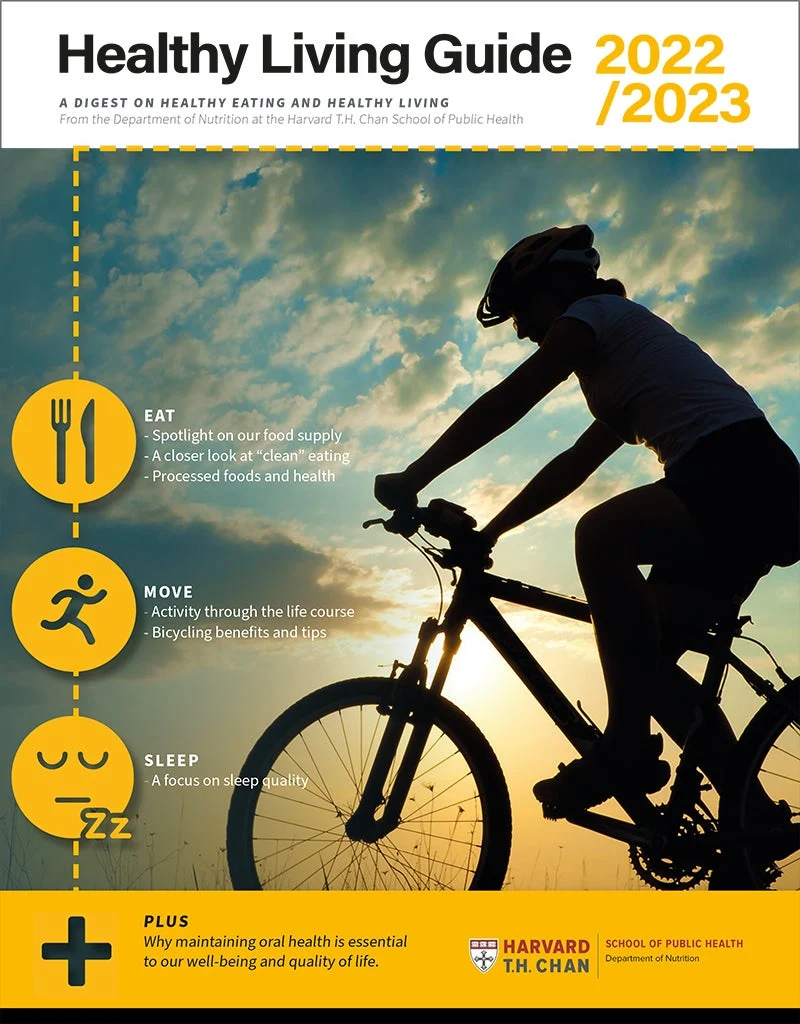
The 2023 Healthy Living Guide, released by nutrition experts, emphasizes that "no change is too small." While systemic policy change is the responsibility of lawmakers, individual choices aggregate into a powerful market signal. By prioritizing whole foods, supporting local farmers’ markets, and engaging in physical activity, citizens contribute to a culture of health that eventually forces policy shifts from the bottom up.
The Role of Education
A key takeaway from the latest nutrition reports is the necessity of education. Understanding the difference between ultra-processed foods and whole-food nutrition is the first line of defense against chronic disease. This is why resources such as printable tip sheets and evidence-based online guides are so vital. They bridge the gap between complex nutritional science and daily kitchen habits.
A Call for Sustainable Consumption
The goal for 2030 is not just about "enough" food, but "optimal" food. The transition toward a more sustainable food system requires a move away from resource-intensive crops and toward plant-forward diets. This shift has dual benefits: it reduces the environmental footprint of our food system while simultaneously lowering the incidence of cardiovascular disease and metabolic syndrome.
Conclusion: A Digest on Healthy Living
The journey toward 2030 is a marathon, not a sprint. The 2022 White House Conference provided a vital blueprint, but the actual construction of a healthier nation will require persistent advocacy and consistent individual effort.
As we integrate these lessons into our daily lives, it is worth remembering that healthy eating is not merely a personal chore; it is an act of participating in a broader, global health movement. Whether it is through advocating for better school lunch programs, choosing sustainable products at the grocery store, or educating oneself on the latest nutritional research, every contribution matters.
We encourage readers to utilize the tools provided by academic institutions and health agencies to stay informed. By keeping the pulse on both the policy debates in Washington and the latest research in the laboratory, we can ensure that we are not just living longer, but living better.
For those looking to deepen their understanding, we invite you to review the full 2023 Healthy Living Guide. It serves as a testament to the fact that while the challenges are immense, the solutions are within our reach if we act with intention, consistency, and a shared commitment to the health of our communities and our planet.