The American Thoracic Society and International Partners are Urging Countries to Regulate Tobacco Product Waste That Contributes to Plastic Pollution and Lung Disease
In a concerted effort to address a dual crisis of public health and environmental degradation, the American Thoracic Society (ATS) and the Forum of International Respiratory Societies (FIRS) have launched a global call to action. These prominent organizations are urging sovereign nations to enforce rigorous regulatory frameworks to mitigate the catastrophic impact of tobacco product waste (TPW). This initiative, timed to precede World No Tobacco Day, highlights the long-overlooked reality that tobacco consumption is not merely a threat to the lungs of the individual, but a persistent poison to the planet’s ecosystems.
RT’s Three Key Takeaways:
- The Myth of Safety: Contrary to popular belief and industry marketing, cigarette filters provide no health benefits. Instead, they promote deeper smoke inhalation, potentially increasing the risk of lung adenocarcinoma.
- Microplastic Proliferation: Cigarette filters are among the most littered single-use plastics worldwide. They do not biodegrade; rather, they fragment into harmful microplastics that contaminate global soil and water supplies.
- Regulatory Imperative: Leading health organizations are advocating for a total ban on single-use filters and electronic nicotine delivery systems, arguing that "recycling" initiatives are merely forms of corporate "greenwashing" designed to evade accountability.
Main Facts: A Global Environmental Catastrophe
For decades, the focus of tobacco control has been exclusively on the physiological addiction to nicotine and the carcinogenic nature of combustible smoke. However, a new, critical front has opened: the environmental toxicity of the delivery systems themselves.
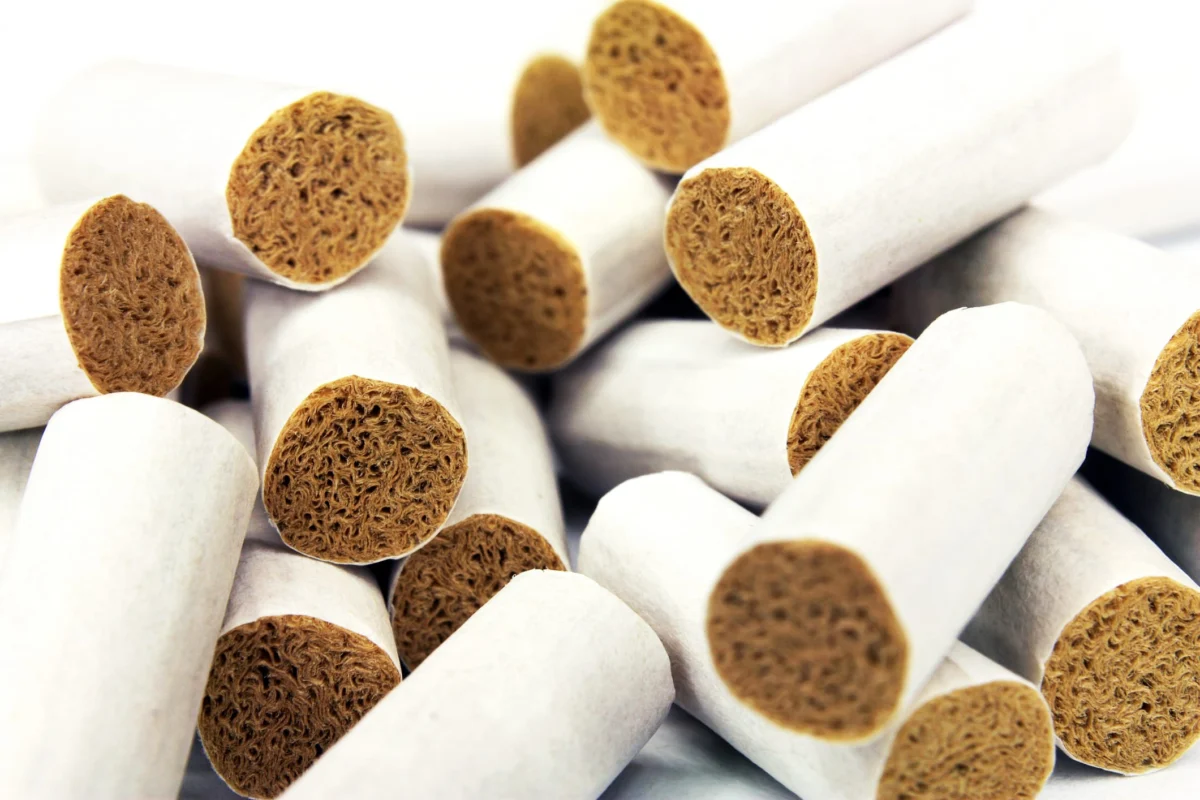
The ATS and FIRS are shifting the narrative by emphasizing that the cigarette filter—once marketed as a "safety" feature—is an environmental hazard of monumental proportions. These filters, primarily composed of cellulose acetate, are non-biodegradable plastics. When discarded, they act as toxic sponges, having absorbed thousands of chemicals during the combustion process, including nicotine, heavy metals, and polycyclic aromatic hydrocarbons. As these filters leach these substances into the environment, they disrupt local ecosystems, poison marine life, and introduce microplastics into the food chain.
Chronology: From COP11 to Global Advocacy
The recent push by the ATS and FIRS is rooted in the outcomes of the 11th Conference of the Parties (COP11) to the World Health Organization (WHO) Framework Convention on Tobacco Control (FCTC).
- Pre-COP11 Phase: Public health experts spent years gathering data on the lifecycle of tobacco products, moving beyond the "smoker’s health" scope to include the environmental footprint of cultivation, manufacturing, distribution, and disposal.
- COP11 Decisions: Member states acknowledged the systemic failure of current waste management strategies regarding tobacco. The conference resulted in firm recommendations that countries move toward strict regulatory oversight of product components that contribute to plastic pollution.
- Post-COP11 Mobilization: Following the conference, the European Respiratory Society (ERS) spearheaded a formal statement, joined by the ATS and FIRS, calling for the immediate adoption of these recommendations into national law.
- The Path to World No Tobacco Day: As the world approaches May 31, these organizations are using the global spotlight to pressure governments to move beyond voluntary corporate responsibility and toward legislative bans on single-use filter technologies.
Supporting Data: The Anatomy of a Persistent Pollutant
The evidence regarding the harm caused by filters is as damning as it is extensive. According to environmental data provided by the ERS, cigarette butts consistently rank as the most frequently collected plastic litter items in international coastal clean-up efforts.
The Microplastic Threat
The degradation of cellulose acetate is a slow, agonizing process for the environment. Filters do not disappear; they fragment into microplastics. These particles are now being found in the most remote corners of the globe, from the depths of the Mariana Trench to the soil of high-altitude agricultural land. Because these microplastics carry the chemical signature of the tobacco smoke, they pose a toxicological risk to microorganisms, fish, and birds.
The Health Paradox
Perhaps the most egregious aspect of the filter is its failure to protect the smoker. Data cited by the ERS indicates that filters do not reduce the harm associated with tobacco use. In fact, they may exacerbate it. Because filters remove some of the harsher sensory irritants of smoke, users often compensate by inhaling more deeply and holding the smoke longer. This mechanism drives toxic particulates deeper into the peripheral lung tissue, which is the primary site for the development of lung adenocarcinoma.
Official Responses: The Call for Legislative Accountability
The medical community has grown increasingly vocal in its frustration regarding the tobacco industry’s attempts to "green" its image.
Filippos Filippidis, MD, PhD, associate professor in public health at Imperial College London and chair of the ERS tobacco control committee, has been a leading voice in this movement. "Beyond their direct health effects, tobacco and nicotine products also degrade the environment through waste, pollution, and emissions," Dr. Filippidis stated in a recent press release.
He further noted that the industry’s focus on Extended Producer Responsibility (EPR) programs—which shift the cost of cleanup to the producer—is fundamentally insufficient. While these programs might seem like a step forward, the ERS argues they serve as a form of "greenwashing." By suggesting that filters can be recycled or that the industry can "clean up" its mess, tobacco companies are effectively lobbying against the only real solution: a complete ban on the production of single-use filters and electronic nicotine delivery systems.
The ERS contends that the industry uses these initiatives to avoid the implementation of more effective, restrictive measures, such as total marketing bans or product design mandates that would fundamentally eliminate the plastic components that make these products so profitable and so harmful.
Implications: The Future of Tobacco Control
The implications of this movement are far-reaching. If governments follow the recommendations of the ATS and FIRS, the tobacco industry will face an unprecedented regulatory landscape.
1. Market Disruption
A ban on plastic filters would necessitate a total overhaul of the manufacturing process for cigarettes. Many experts believe that without the "safety" perception provided by the filter, the appeal of smoking—particularly among younger demographics—would significantly decrease. The filter is not just a delivery device; it is a marketing tool that creates the illusion of a "lighter" or "safer" product. Stripping this away exposes the raw, lethal reality of the cigarette.
2. Environmental Policy Synergy
By linking lung disease with plastic pollution, the ATS and FIRS have successfully expanded the tobacco control agenda to include climate and environmental groups. This "One Health" approach recognizes that human health is inextricably linked to the health of the environment. Expect to see increased collaboration between respiratory health organizations and environmental protection agencies in the coming years.
3. Corporate Accountability
The era of the tobacco industry framing itself as a partner in environmental cleanup is coming to a close. Public health advocates are now framing the industry as a polluter of the same magnitude as traditional plastic manufacturing industries. This shift in framing will likely result in increased litigation, as nations look to hold companies liable for the costs of cleaning up billions of toxic, non-degradable filters from public spaces, waterways, and marine ecosystems.
Conclusion
The convergence of the American Thoracic Society, the Forum of International Respiratory Societies, and the European Respiratory Society represents a formidable front in the global battle against the tobacco industry. By exposing the environmental toxicity of filters alongside their failure to protect human health, these organizations have provided a clear roadmap for change.
As countries move to implement the decisions of the WHO FCTC, the message remains clear: the environmental burden of tobacco is a public health crisis that cannot be "recycled" away. Only through the prohibition of single-use plastic components and the rejection of industry-led greenwashing can the world begin to mitigate the lasting damage wrought by the tobacco industry. The fight is no longer just for the lungs of the population, but for the integrity of the environment upon which all life depends.