




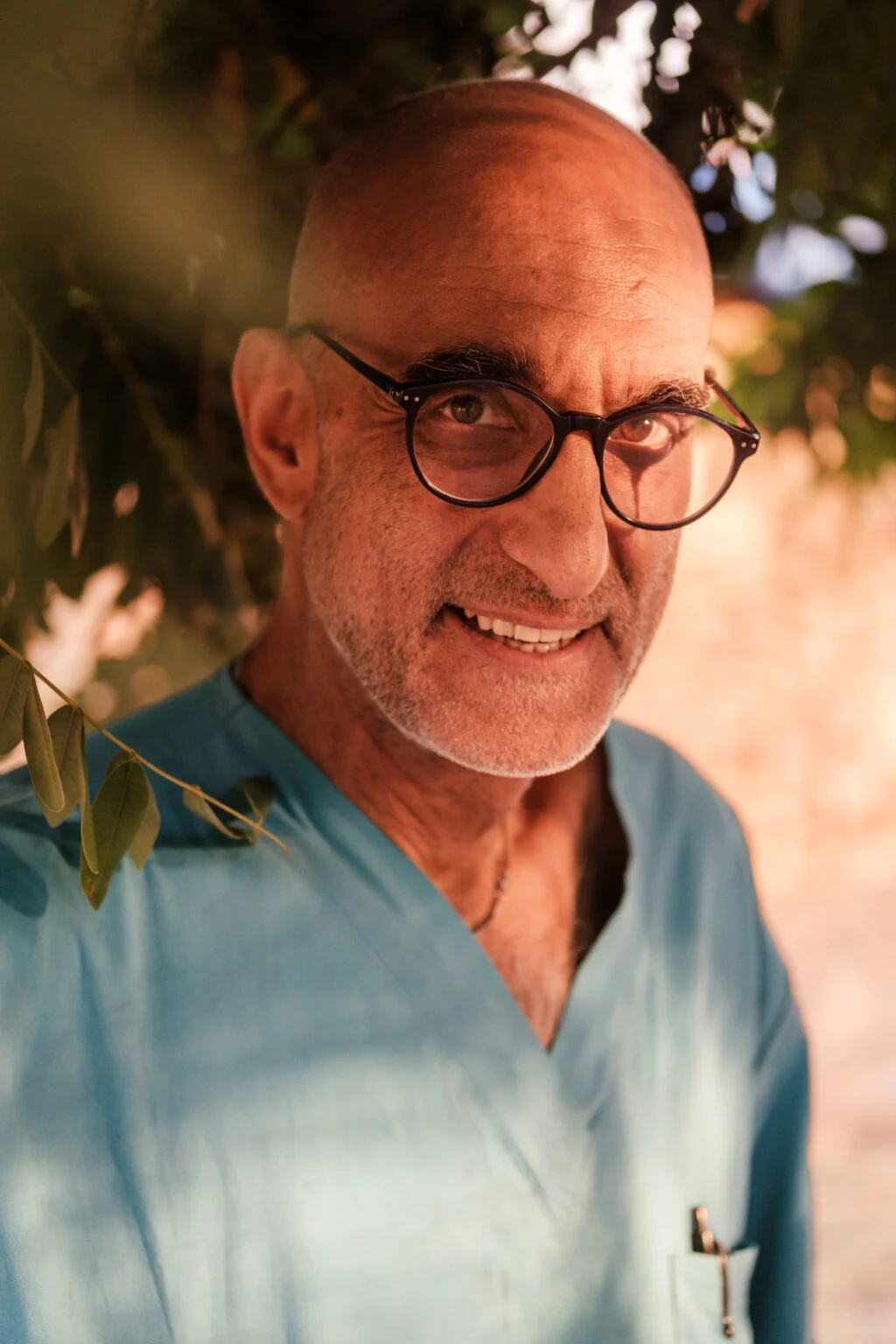
HEIBAN DISTRICT, Sudan — In the rugged, isolated expanse of the Nuba Mountains—a territory roughly the size of Austria—the sound of distant artillery often competes with the rhythmic hum of a small, under-equipped laboratory. Here, at the Mother of Mercy Hospital, Dr. Tom Catena, an American medical missionary and the region’s only permanent surgeon, finds himself fighting a two-front war. On one side, he treats the immediate, visceral trauma of a brutal civil war; on the other, he battles the slow, inexorable progression of cancer in patients who have been abandoned by a collapsing state.
For over a decade, Catena has been the backbone of healthcare in this conflict-ridden zone. But as Sudan’s civil war, ignited in 2023, continues to tear the nation apart, his hospital has become a sanctuary of last resort for the "indirect casualties" of the conflict—those whose tumors are thriving in the vacuum left by the destruction of the national healthcare system.
The Odyssey of Survival: A Chronology of Desperation
The crisis is best illustrated by the journey of Fatouma Mahdi Ahmed Saeed. A resident of Nyala, the capital of South Darfur, Saeed’s life changed last year when a private physician confirmed her diagnosis of cervical cancer. In a functional nation, she would have been referred to specialized oncology centers in Khartoum or El Obeid. Today, those cities are frontlines, and their hospitals are either rubble or military barracks.
Saeed’s journey to the Nuba Mountains was not a medical referral; it was an act of survival. To afford the initial diagnosis, she sold her family’s calf—a devastating blow to her household’s livelihood. Accompanied by her sister and son, she first attempted to find care in neighboring South Sudan. The trek was a gauntlet of terror: drones buzzed overhead like lethal insects, and menacing soldiers at checkpoints held their lives in the balance. When exhaustion overcame her, she lay in the dirt, waiting for the strength to continue.
After being turned away at a facility in South Sudan, the family pressed on to the Nuba Mountains. Upon arriving at Mother of Mercy, she found not a specialized oncology wing, but a crowded ward where wounded soldiers and civilians lay side-by-side. Saeed has since completed multiple rounds of chemotherapy, returning home to Darfur between treatments only to make the perilous trek back to the mountains. Her prognosis remains uncertain, yet she views the struggle with a stoic, faith-driven resolve: "The journey was very difficult, but I was not scared. I kept going. I know my day will come when God decides."
The Collapse of a Healthcare System
The current conflict in Sudan, which pitted two rival factions against each other for control of the military in 2023, has triggered the world’s largest displacement crisis. According to United Nations estimates, some 13 million people have been forced from their homes.
The infrastructure that once supported patients like Saeed has been systematically dismantled. The World Health Organization (WHO) reports that approximately 37% of Sudan’s healthcare facilities have been destroyed by fighting. More alarming is the culture of impunity; the U.N. has documented 205 direct attacks on health facilities since the war began. Doctors Without Borders (MSF) has noted that the withdrawal of international aid, coupled with these attacks, has pushed the entire health system to the brink of total collapse.
"They’re indirect casualties of war," says Catena, reflecting on the cancer patients in his wards. "If there was peace, they would have been treated in Khartoum, Darfur, or El Obeid. Now those hospitals are gone."
The Data of Neglect: Oncology in a War Zone
Sudan was, until recently, a regional leader in oncology, boasting sophisticated diagnostics and treatment protocols. A 2025 paper published in the journal Global Oncology highlighted the tragic regression of the nation’s medical capabilities.
The logistical hurdles are insurmountable for a facility like Mother of Mercy. With no oncologist on staff and no local capacity to review biopsies, tissue samples must be shipped to the United States—a process that can take up to six months. In many instances, the window for effective intervention closes long before the results return. Consequently, Catena is forced to rely on clinical exams, identifying advanced-stage cancers that are physically evident.

The WHO recorded 560,000 cancer deaths across the African continent in 2022. While specific, granular data for Sudan is currently impossible to compile due to the chaos of war, the trends are clear: patients arrive at the Nuba Mountains only when their disease has reached an advanced, often terminal, stage. For the 700-mile stretch between the Nuba Mountains and the nearest potential care center in Port Sudan, the landscape is occupied by hostile forces, rendering travel for the terminally ill a death sentence.
Official Responses and the Reality on the Ground
International humanitarian bodies have issued repeated warnings, yet the disconnect between policy and the reality in the Nuba Mountains is stark. While the WHO and other NGOs advocate for the protection of medical neutral zones, the strategic importance of the Nuba Mountains has only increased.
Last year, the Rapid Support Forces (RSF) announced an alliance with the Sudan People’s Liberation Movement-North (SPLM-N), the rebel group controlling the Nuba region. The hills, once a secluded refuge, have been transformed into a staging ground for militant maneuvers aimed at recapturing Khartoum. This militarization has further squeezed the supply lines for chemotherapy drugs and essential medical equipment, making the "medical missionary" model—once a stopgap—the only thing standing between patients and a complete lack of care.
Implications for a Lost Generation
The human cost is not limited to adults. Ifrah Ahmed, a 10-year-old suffering from osteosarcoma, represents the future lost to this conflict. Hailing from Babanusa in West Kordofan, Ahmed’s journey to the Nuba Mountains by rickshaw was fueled by the desperation of a family who watched her leg deteriorate.
At Mother of Mercy, the decision was grim but necessary: an amputation at the hip. Following the surgery, Catena administered two rounds of chemotherapy. When she spoke to reporters, wearing a bright pink shirt that stood in stark contrast to the drab, war-torn surroundings, her wish was simple: "I wish to be healthy and with my mom in a safe place."
But safety is a luxury in Sudan. Because osteosarcoma carries a high risk of metastasizing to the lungs, Ahmed requires regular monitoring. With the fighting intensifying, the likelihood of her returning for follow-up care is slim.
For others, the end comes sooner. On the day of a recent visit to the hospital, Abasst Abonja, a 76-year-old who had fled from South Sudan, passed away after a two-week struggle. His wife’s lament—“What have you done to deserve such a death?”—serves as a haunting epitaph for a generation of Sudanese patients who find themselves trapped in a conflict that has no room for the chronically ill.
Conclusion: The Quiet Crisis
As the world’s attention remains fixed on the frontlines of the military conflict, the plight of the cancer patient in Sudan remains a silent, slow-moving tragedy. The Mother of Mercy Hospital remains a beacon of hope, but it is a beacon flickering in an increasingly dark landscape.
Dr. Catena’s perspective remains pragmatic, grounded in the grim reality of his daily rounds: "Take any conflict in the world—Gaza, Ukraine—all those sick people are still there." In Sudan, they are not merely waiting for the war to end; they are waiting for a world that has largely forgotten that the business of living—and dying—continues long after the news cameras turn away.
Reporting for this story was supported by The Pulitzer Center.