









By Christie Cox
Chronic pain is the great equalizer. It does not discriminate based on age, socioeconomic status, or professional background. It does not care about your specific medical diagnosis, whether you are grappling with a well-documented condition like fibromyalgia or enduring a mysterious, unnamed syndrome that defies modern diagnostics.
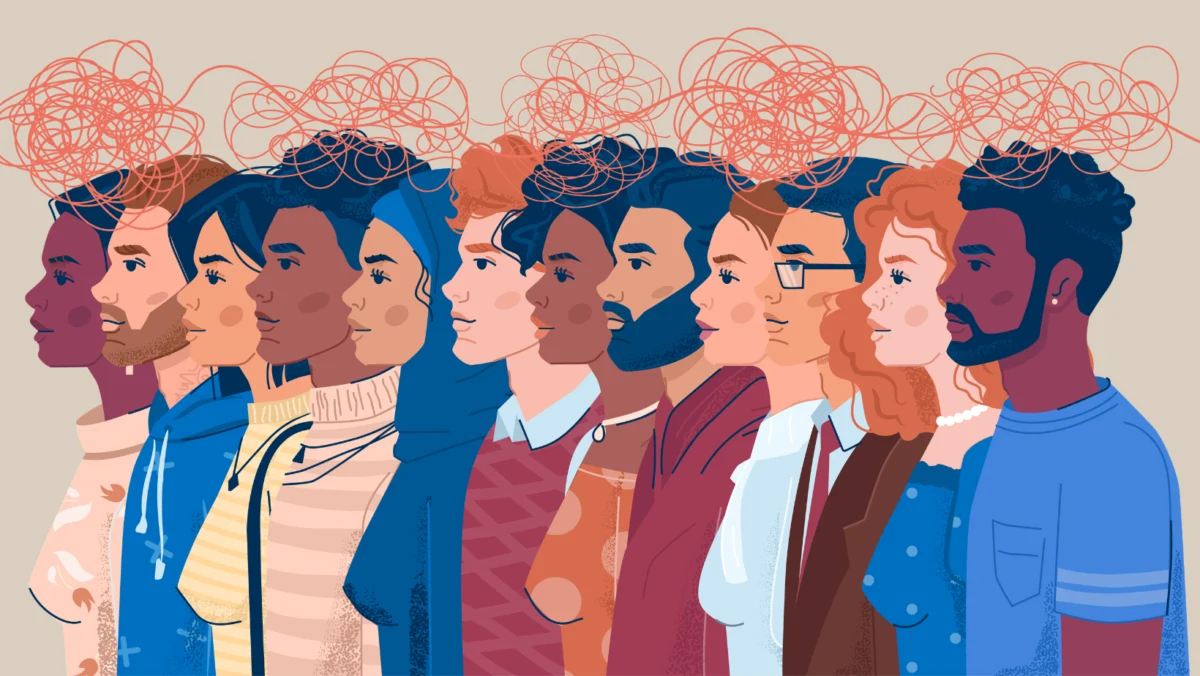
For the one in four Americans living with chronic pain, the daily experience is often characterized by a profound sense of isolation. Yet, when these individuals gather in support groups, online forums, or quiet waiting rooms, the rigid medical labels begin to fall away. What remains is a shared human experience: the same grief, the same defensive maneuvers, and the same quiet, hard-won victories.
Understanding this collective experience is not merely an exercise in empathy; it is a public health imperative. As we look at the lived reality of millions, 15 distinct, recurring themes emerge—offering a roadmap for both patients and the medical community to better understand what it means to survive and thrive while living with persistent pain.
1. The Anatomy of Grief: Losing the "Former Self"
Chronic pain rewrites the narrative of a person’s life without their consent. The career path one was meticulously building, the hobbies that provided a sense of identity, and the ability to make plans without first performing a mental health and physical capability audit—all of these are often stripped away.
This is a specific form of disenfranchised grief. It is the mourning of a version of oneself that still exists in memory but is increasingly difficult to access in reality. Every time a new limitation emerges—whether it is an inability to walk as far as one used to or the sudden necessity of using a mobility aid—the grieving process restarts. Recognizing this grief, rather than suppressing it, is the vital first step toward self-acceptance and adapting to the person one is becoming.
2. The Economics of Energy: The "Spoon Theory"
For those outside the chronic pain community, the complexity of daily life is often invisible. Small decisions, such as choosing between running a necessary errand or preparing a meal, are not simple preferences; they are strategic maneuvers.
Patient advocate Christine Miserandino’s seminal "Spoon Theory" perfectly encapsulates this. Individuals start each day with a finite number of "spoons" or energy units. Every action—showering, driving, responding to an email—extracts a cost. This constant, exhausting arithmetic is the hidden budget of chronic illness. What observers view as spontaneity is, for the patient, a precarious balancing act performed to maintain a fragile status quo.
3. The Performance of Wellness
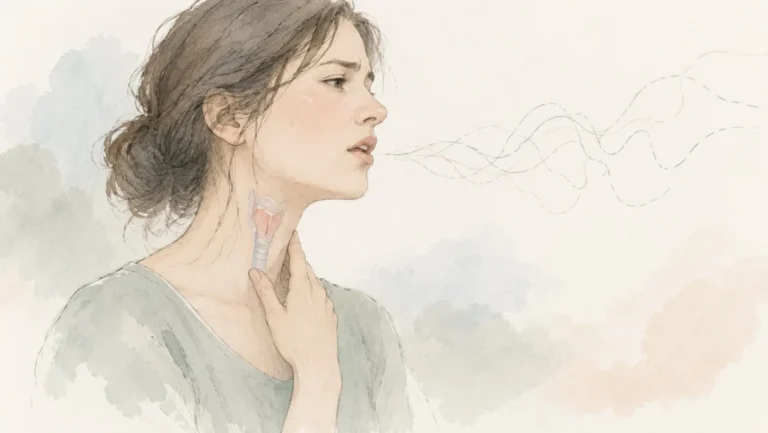
Because chronic pain is often invisible—lacking a cast, a crutch, or a visible wound—patients often feel compelled to "mask." This involves a performative display of wellness: smiling through a flare-up, saying "I’m fine" on autopilot, and carefully rehearsing facial expressions in the mirror.
This performance is a survival mechanism, but it is also a source of deep exhaustion. By hiding the reality of their pain, patients frequently distance themselves from the very social connections that could provide support. The mask protects the patient from judgment, but it also creates a barrier to genuine intimacy.
4. The Unpredictability of "Dynamic Disability"
Living with a body that functions inconsistently is a unique challenge. This unpredictability, often categorized as "dynamic disability," disrupts professional and educational environments. When 99% of respondents in a U.S. Pain Foundation survey indicate that their pain restricts routine activities, the impact on the labor force is undeniable.
The struggle is not just in the limitation, but in the internal pressure to meet societal standards of productivity. Reframing a canceled plan as a necessary act of recovery rather than a failure of character is a profound shift in mindset that requires significant internal work.
5. The Crisis of Credibility: Medical Gaslighting
Perhaps the most damaging experience in the chronic pain community is the lack of belief from medical professionals. Data from the U.S. Pain Foundation’s 2025 survey reveals a staggering reality: only 12% of patients feel their providers truly understand their condition.
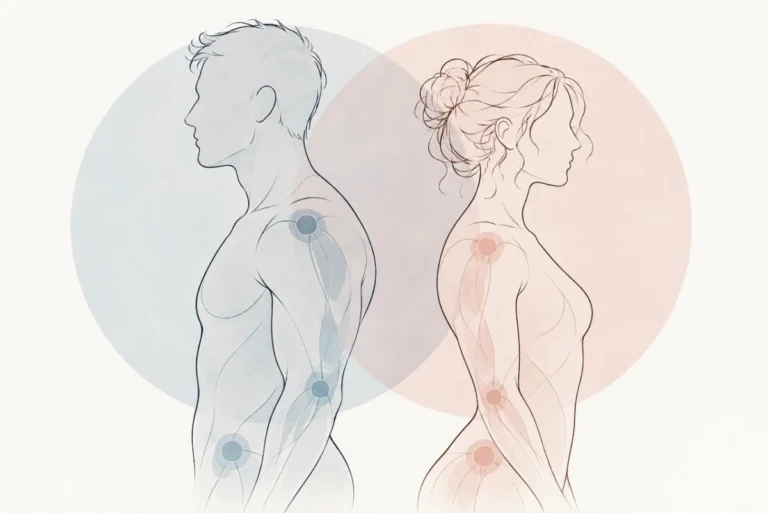
Medical gaslighting—where pain is dismissed as "all in the head"—is a systemic failure. This bias is disproportionately felt by women and people of color, rooted in outdated, sexist, and racist medical stereotypes that frame physical distress as emotional or psychosomatic. When trust is fractured in the exam room, it often bleeds into personal relationships, leaving the patient isolated and forced to perform their symptoms using "clinical scripts" just to be heard.
6. The Long Road to Diagnosis
For many, the path to a name for their suffering is a multi-year odyssey. Nearly 30% of patients wait more than five years for a formal diagnosis. Even when an answer is finally provided, it rarely serves as an ending. Often, it merely initiates a new phase of navigating comorbidities and bureaucratic "wait-and-see" protocols.
7. The Administrative Burden: The Patient as Administrator
Chronic pain management functions as an unpaid, full-time administrative job. Patients must act as their own case managers: tracking symptoms, organizing voluminous medical records, coordinating between disparate specialists, and fighting insurance denials. This "invisible labor" is rarely accounted for in healthcare delivery models, which are designed to treat acute illness rather than sustain long-term wellness.
8. Navigating the Referral Cycle
The current healthcare system often forces patients into a demoralizing cycle: chasing referrals, repeating complex medical histories to new providers, and waiting for breakthroughs that never come. This perpetual state of expectation and disappointment creates a unique brand of "clinical exhaustion" that transcends simple fatigue.
9. The Informal Medical Education
Driven by necessity, many patients become experts in their own conditions. They develop a high-level understanding of pharmacology, insurance coding, and diagnostic criteria. This "informal medical education" is often the only reason patients catch errors or oversights made by their medical teams.
10. The Ledger of Treatment
Every medical recommendation comes with a cost-benefit analysis that patients must perform alone. Is the potential for pain relief worth the side effects, the financial burden, and the logistics of treatment? For a population that has already invested heavily in failed interventions, every new "hope" comes with a weight of skepticism and calculation.
11. The Bureaucratic Maze
Insurance barriers—such as prior authorizations and denied claims—are more than just annoyances; they are significant obstacles to care. When a patient lacks the energy to battle a bureaucracy, they may simply go without the treatment they need, deepening the cycle of disability.
12. The Staggering Financial Toll
Chronic pain is among the costliest conditions in the U.S., with an annual impact of up to $635 billion in direct costs and lost productivity—exceeding the costs of heart disease and cancer. For the individual, this manifests as crushing medical debt and the indignity of having to repeatedly "prove" one’s disability to maintain support systems.
13. The Power of Shared Experience
Despite these hurdles, the pain community offers a sanctuary. In peer support spaces, the need for defense disappears. Being met with understanding—rather than scrutiny—is a profound relief. These spaces foster a sense of belonging that serves as a powerful catalyst for resilience.
14. Loneliness and the Rebuilding of Connection
Chronic pain tests the resilience of all relationships. The loneliness associated with chronic illness carries a mortality risk comparable to smoking, as noted by the U.S. Surgeon General. Rebuilding connection is, therefore, a central pillar of healing. Those who stay are the ones who understand that support doesn’t always require an explanation.
15. Resilience vs. Recovery
Finally, there is a vital distinction between recovery and resilience. Recovery implies a return to the past; resilience implies moving forward as the person you are now. Resilience is the honest, ongoing goal for the chronic pain community—a steady accumulation of small wins, emerging research, and the persistent belief that better days are ahead.
Official Responses and Future Implications
Healthcare policy experts and patient advocacy groups are increasingly calling for a shift toward "person-centered" care. The U.S. Pain Foundation and other national organizations emphasize that the current clinical approach—which heavily emphasizes pharmacological intervention—must be expanded to include multidisciplinary, biopsychosocial care.
The Implications for the Future:
- Systemic Reform: Healthcare systems must move toward models that integrate care coordination, reducing the administrative burden on the patient.
- Bias Training: Medical curricula must prioritize anti-bias training to combat the systemic dismissal of women and minority patients.
- Economic Support: There is a critical need for policy reform regarding disability support, moving away from the "annual proof of suffering" model toward more sustainable long-term support.
- Validation as Therapy: Clinicians must recognize that simply validating a patient’s experience is a clinical intervention that improves outcomes.
As we move forward, the message to those living in pain is clear: you are not alone. Your struggle is not merely a medical event; it is a human experience that deserves to be seen, heard, and supported. By validating these 15 experiences, we take a collective step toward a future where pain is met with compassion, and no patient is left to fight their battles in silence.